Snapshot: Ginko trees and connections in deep time

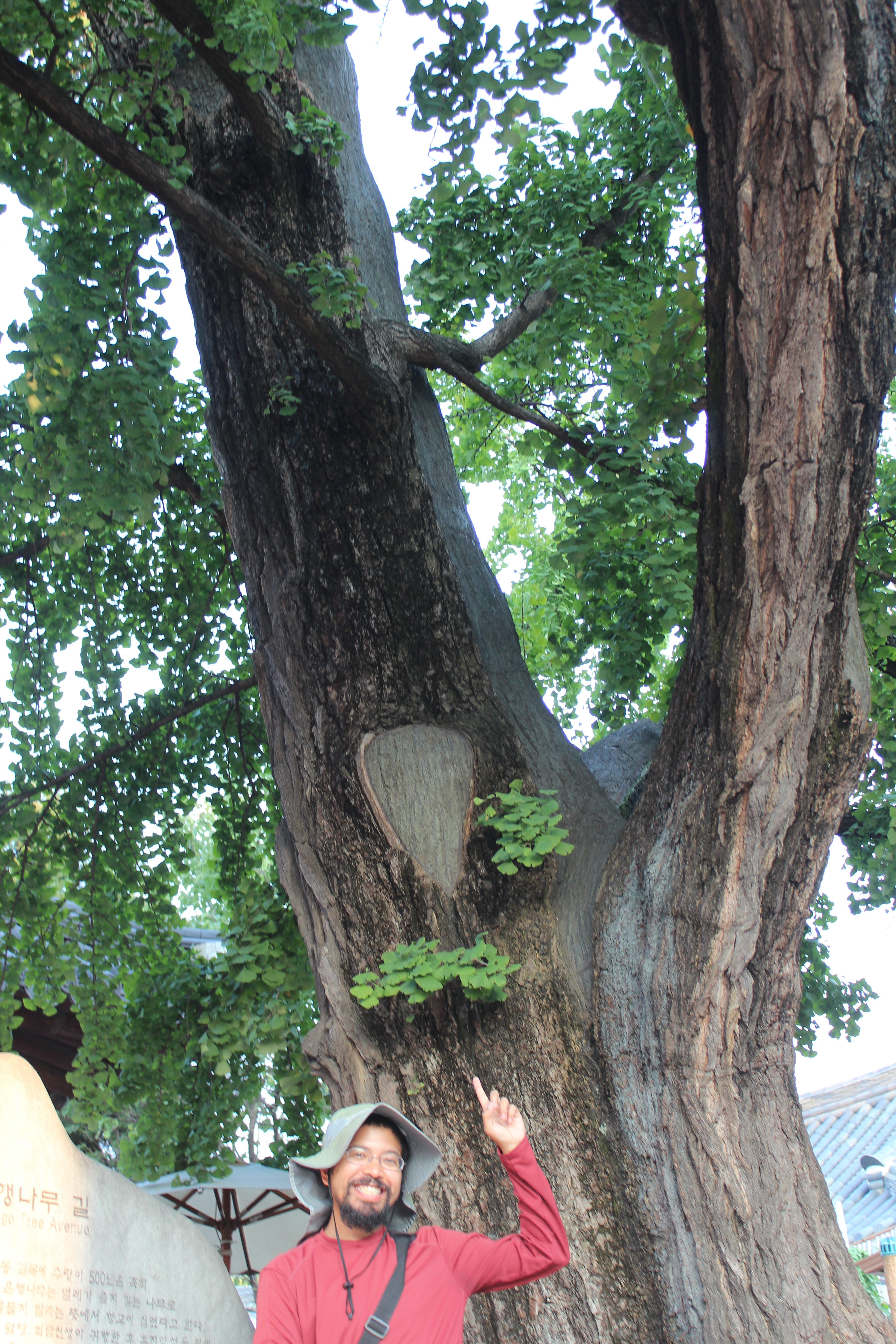
Arbor day in Hawai’i is coming up again and I am reminded of my trip to Korea about 8 years ago. We were staying at the Jeongju Hanok Village when we came across this old Ginko tree with a sign. Apparently, a high ranking official had planted it in the hopes that young scholars advance in their posts free of injustice.

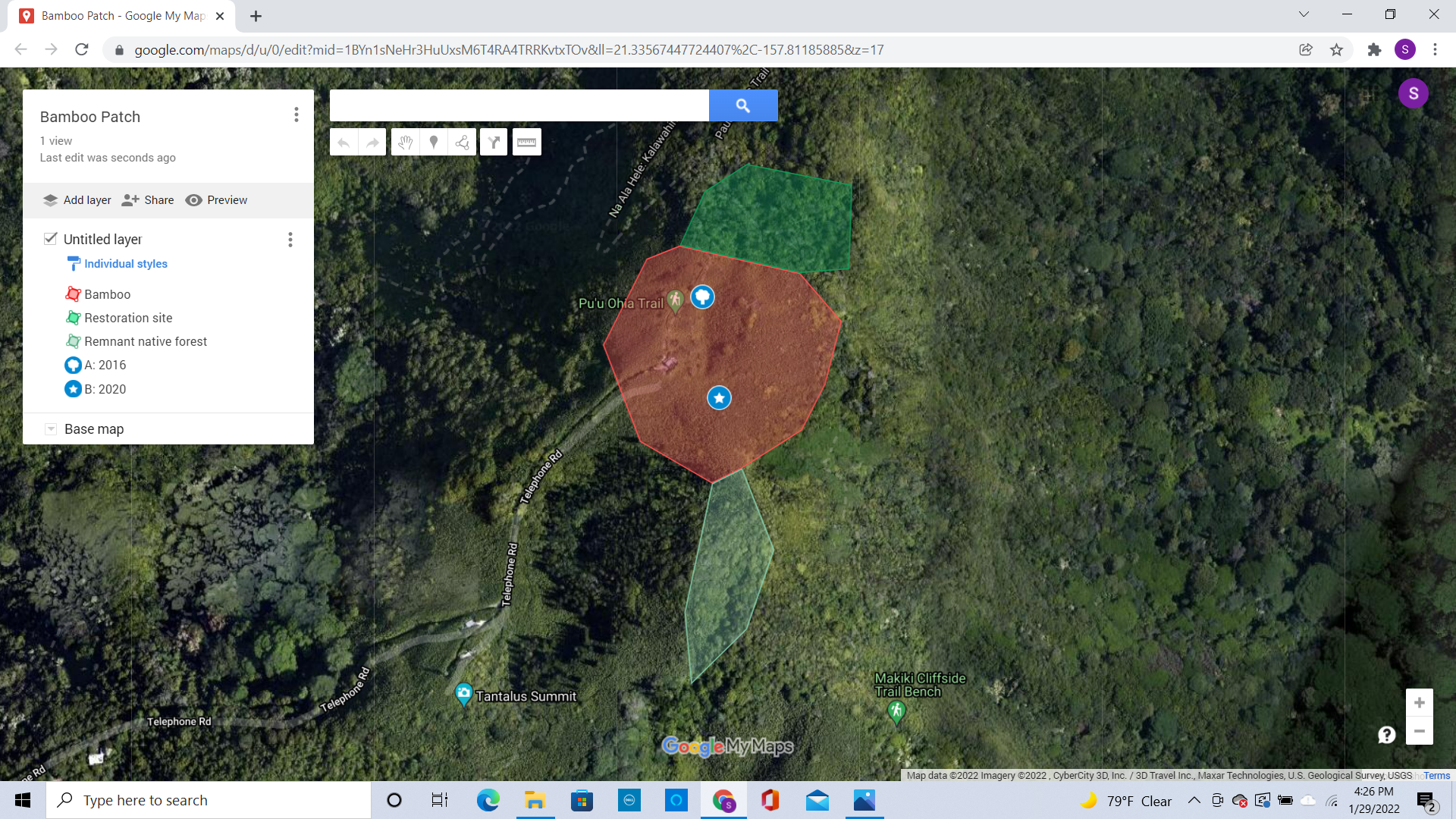
Now what really moved me was that an actual person 600 years ago planted that young tree and I was directly able to enjoy their foresight and effort. I’ve been planting and restoring dozens of species of native plants at our restoration site over the last decade. It’s thousands and thousands of seedlings at this point. While on one hand it is a shame that I will never sit in the shade of the lama, hala pepe, ‘ohi’a seedlings that I’m planting now; I get such a sense of fulfillment knowing that a kid may enjoy the shade of the trees I’m planting some 600 years hence. It is so simple and straightforward, planting baby trees, that it seems insignificant. Yet not many easy things one does in their lifetime that someone a millennium from now can only fully appreciate. People may work hard enough for their career and have a park named after them. Which is well and good. But one can also plant the trees in the park as well.

To top it of we have blogs now. Sure there was a carved stone next to the tree stating the guy’s intentions, but we don’t really know. Who knows what the future technology looks like, but I’d imagine they could read this blog. So, hello children of the year 2622! I hope you can take a picture of the giant lama trees that I’m about the plant this coming arbor day the same way I did with this Gingko tree on a small street in Jeongju, South Korea.

Posted in Botany | Tagged | Leave a comment

Getting to know your Hawaiian Lobeliads #36: Cyanea membrenacea

Cyanea membrenacea

  • Conservation status: Critically Endangered
  • Distribution: O’ahu (Wai’anae Mountains)
  • Date photographed: 8/20/2022
  • *Identification: Form– Sparingly branched shrubs 2-4m tall Leaves– oblanceolate to oblong, blades 18-32 cm long, 3-9 cm wide. Flower– calyx lobes dentiform, 0.5-1 mm long; corolla white, sometimes slightly tinged pale purplish, 30-40 mm long, 3-4 mm wide, tube suberect to gently curved
  • Phylogenetic comments: Let’s take a bit of a deeper dive into the plants currently circumscribed in Cyanea and how this relates to the placement of C. membrenacea. 2022 update — The purple fruited Cyanea spp have been divided into 4 separate clades with C. membrenacea nesting within the angustifolia clade. The 4 clades themselves seem to have good support to be actually sister to the Clermontia clade and combined are in turn sister to the orange fruited Cyanea spp. Which would technically mean they would need a new name. But of course that highlights the difference between phylogeny (the evolutionary relationships) and the phylogenetic nomenclature (the naming of said relationships)
  • My notes: I finally caught this fine specimen in full inflorescence! Though to be fair, it’s really just me working on Pu’u ‘Ohi’a and not hiking as much anymore (It maybe flowering regularly and I’m too lazy to see it 😛 ). However seeing this guy was a real treat. Hiking the southern Wai’anae Mts is still a very strange experience for me; I’m still not use to seeing certain taxa like Cyanea is drier environments. But the lighter water regimen wasn’t stopping this specimen: it was much taller than me with a significant trunk.
  • Additional Photos:

*From Manual of the Flowering Plants of Hawai’i

Posted in Botany | Tagged , , | Leave a comment

The Reification of Pu’u ‘Ohi’a: Manoa Cliff 10 years part II

Part I showed what we have done in the last 10 years at the restoration site. What lessons did we learn in that time that may help for the next 10 years?

Continue reading
Posted in Sharing the planet | Tagged , | 3 Comments

Let’s talk about: Olomea

I’m going to try something a bit different. I got the inspiration for doing this from the 1 comment in the aka’aka’awa post. Internet searches can and are wonderful ways to find out about native Hawaiian plants and animals. But images can only go so far. If I can add a little bit of natural history or personal experience with certain taxa maybe I can help folks gain a greater appreciation for the biota we share theses islands with. So having said that, let’s talk about Olomea (Perrottetia sandwicensis)!

Continue reading
Posted in Botany | Tagged | Leave a comment

Manoa Cliff 10 years Part I: A look back

It seems like yesterday I walked into the native forest on Tantalus. It is a memory that sticks out clearly in my mind; June 20, 2010. And in a seeming instant, a decade has past.

Continue reading
Posted in Sharing the planet | Tagged , | 4 Comments

Rare post on a common bird

It has been over a year since I last posted. I’m still trying to figure out what to do with the blog going into the future. In the meantime, I visited Texas for the first time and I thoroughly enjoyed the grackles in the city.

grackle

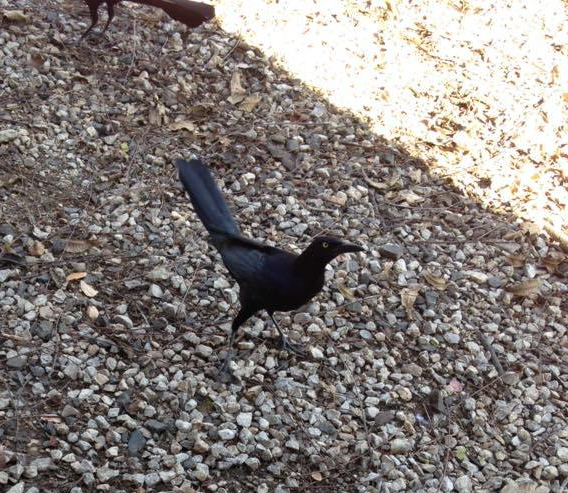
Great tailed grackles (Quiscaulus mexicanus) are a very common bird in urban San Antonio. I saw hundreds roosting on powerlines along the various highways around the city. Now coming from Hawai’i, we just don’t have birds of this size commonly seen in town.

This successful bird highlights the many challenges facing future of human/animal interactions. For many residence of the town, grackles are a nuisance. Their droppings make a mess of vehicles and property. Grackles have been called loud and annoying.

There is also a question of their native status. They seemed to have greatly expanded their range inland in the beginning of the 20th century. Davis (1940) listed great tailed grackles as vagrants to Brazos County. By 1951 Petrides & Davis listed them as resident. Their range seems to still be expanding as human continue to develop urban areas.

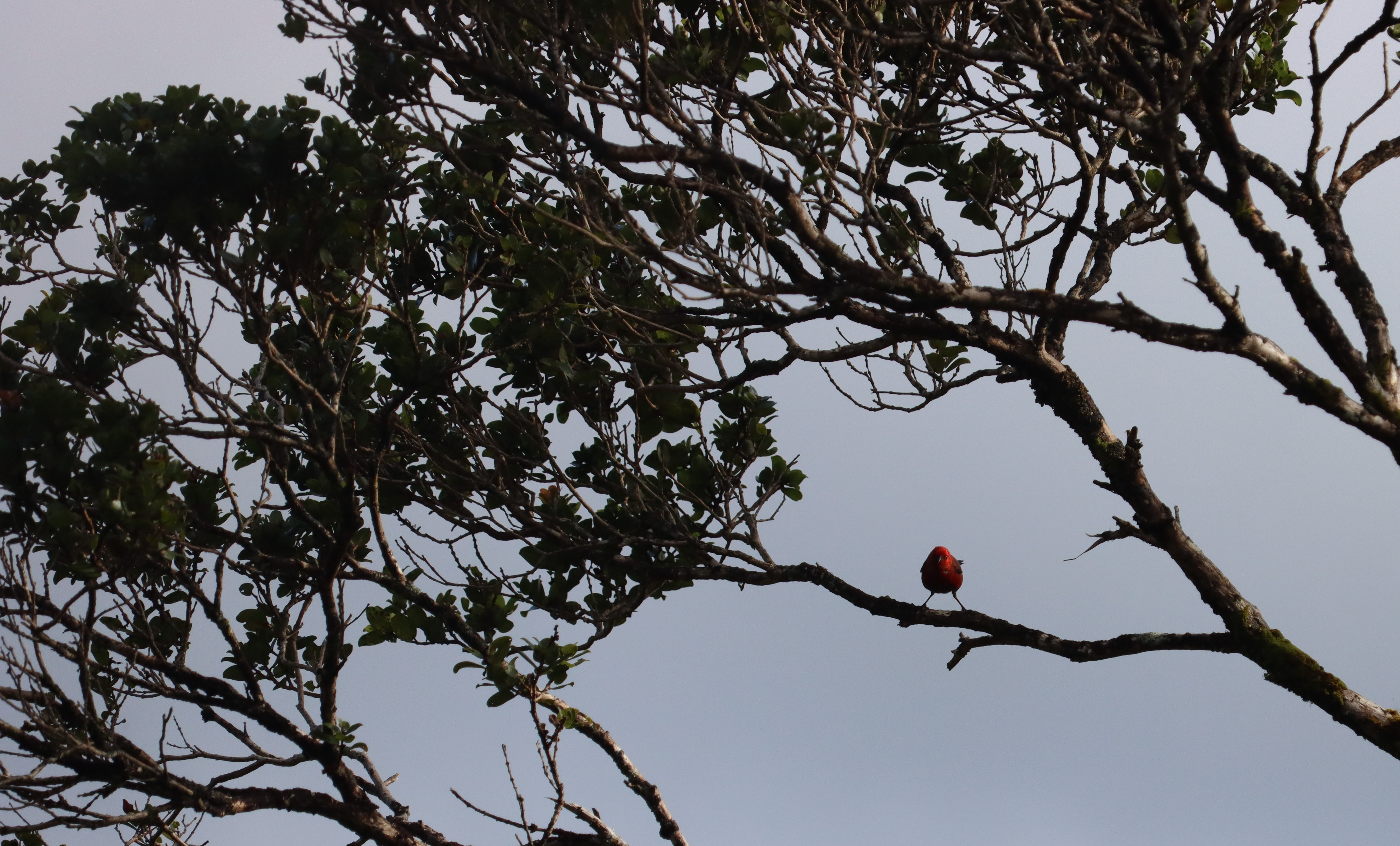
Another year, and the questions still remain the same; how do we share this planet that we live on? Someday, I hope we have to worry about the hordes of ‘i’iwi and ‘akiapolo’au raining droppings on our cars. Those are the problems I’d much rather be solving. Happy New Year’s to all!

Posted in Random | Leave a comment

The face that we almost forgot

IMG_0467

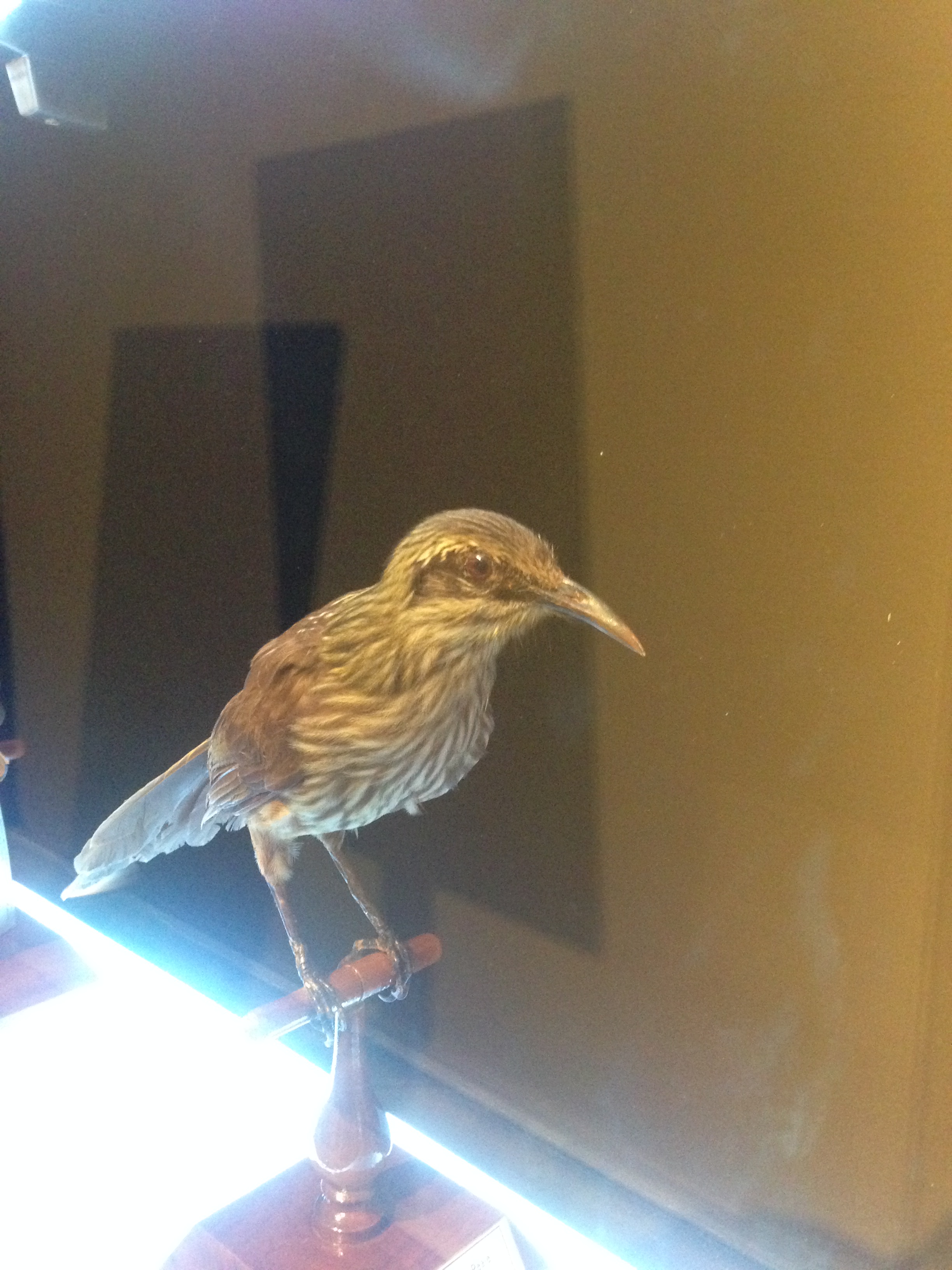
If you are of a particular age cohort, you will remember the sensation that was M. Night Shyamalan’s The Sixth Sense. Lauded, then cliched, for its plot twist, the movie was also known for Haley Joel Osment’s famous utterance: “I see dead people.” I bring this up here at Studia Mirabilium not because I’m doing a movie review but because it is a great cultural shorthand for how I describe the scientific reconstruction that my mind’s eye does. For while I don’t see dead people… I do see dead birds. Namely the extinct ones.

Continue reading

Posted in Natural History | Tagged , | 2 Comments

Snapshot: Korean Swallows

Swallow

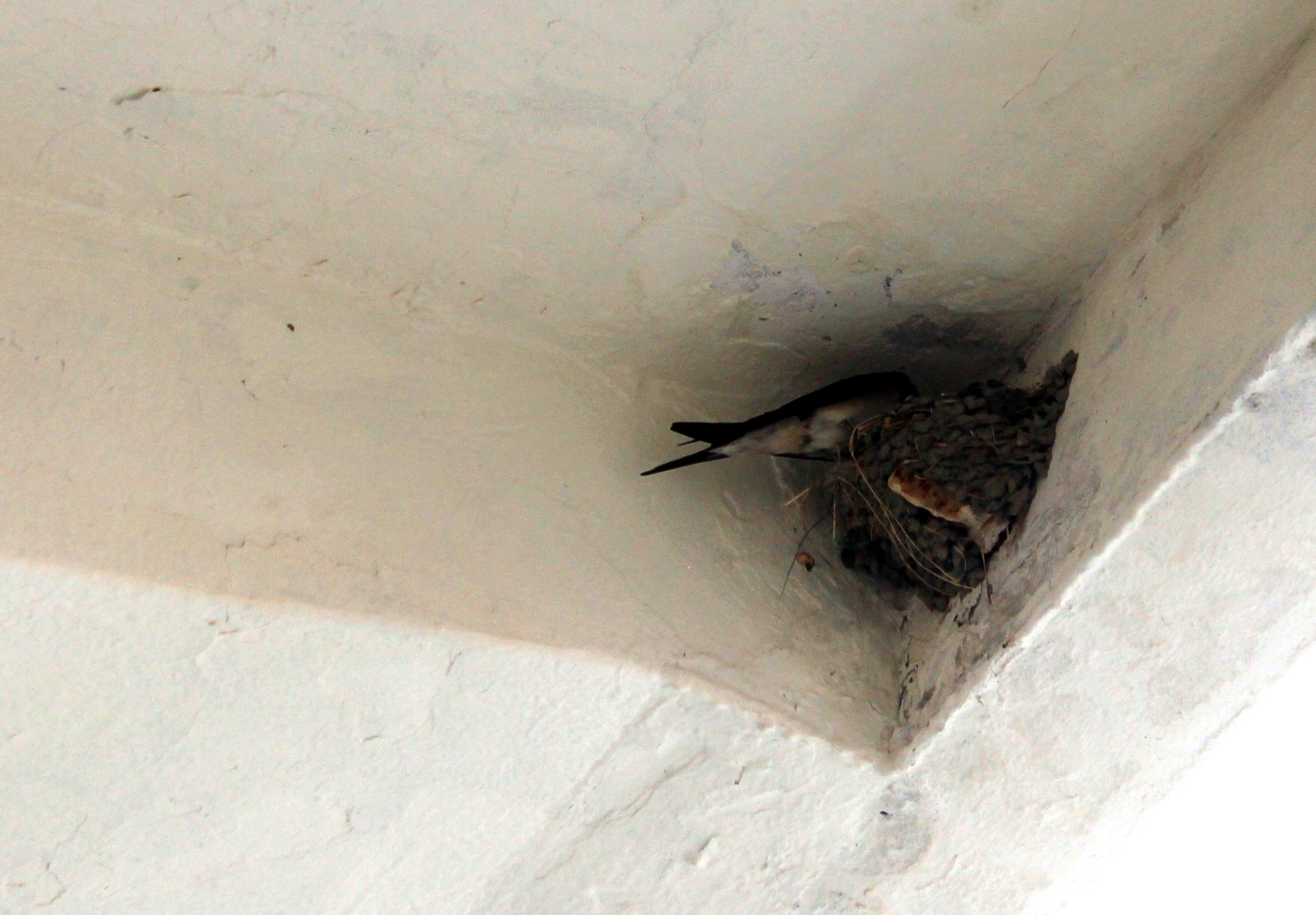
One nice thing for me when I travel is seeing how local fauna have adapted to the human condition. While this is a common sight in many parts of the world, Hirundinidae (Swallows, Martins) aren’t found in Hawai’i. Many species have a long benign relationship with people due to their superb aerial hawking of unwanted insects. I’m not an expect but this might be a common Barn Swallow (Hirundo rustica). The very name highlights its relationship with people and their structures.

But it’s one thing to nest in a rural, undeveloped barn.

swallow nest

This pair decided to nest in the decidedly unrural Jeonju Bus Terminal! Buses honking, people jostling, luggage thrown about, yet there were enough food and resources that these birds thought this was the perfect place to raise a family. Sharing the planet at its finest!

Posted in Random | Leave a comment

Snapshot: Toothbrush Fern

Schizaea

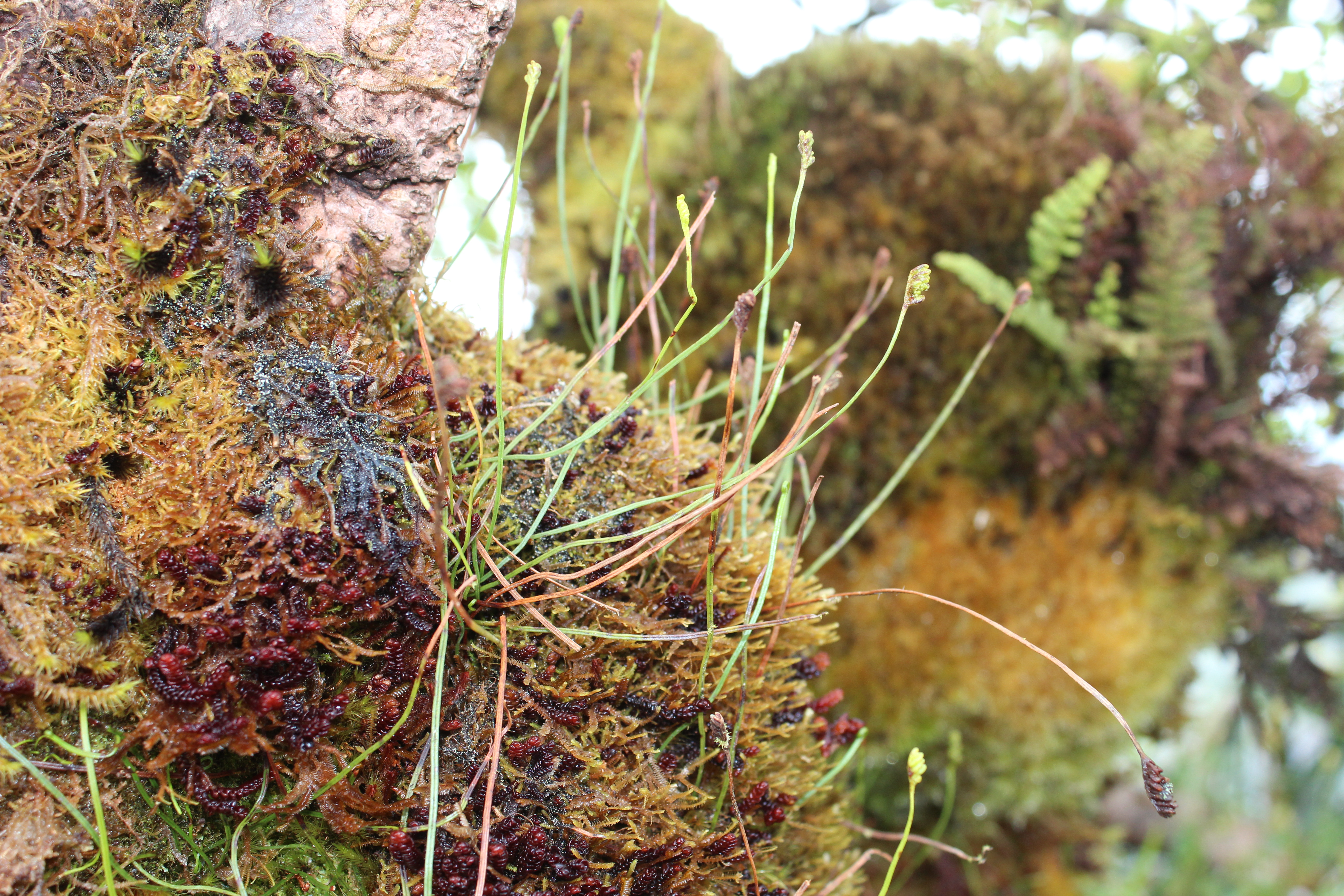
This dainty little endemic fern is ‘oali’i makali’i (Schizaea robusta). I came across it near the summit of Konahuanui. Interestingly, the frond is mostly made up of just the stipe; the blades are only found the very distal portion. This rather unique look gives it another colloquial name: the toothbrush fern. Keep an eye for it on wet summit and boggy areas.

Posted in Botany | Tagged , | 1 Comment

Snapshot: Psychotria longissima

Psychotria longissima

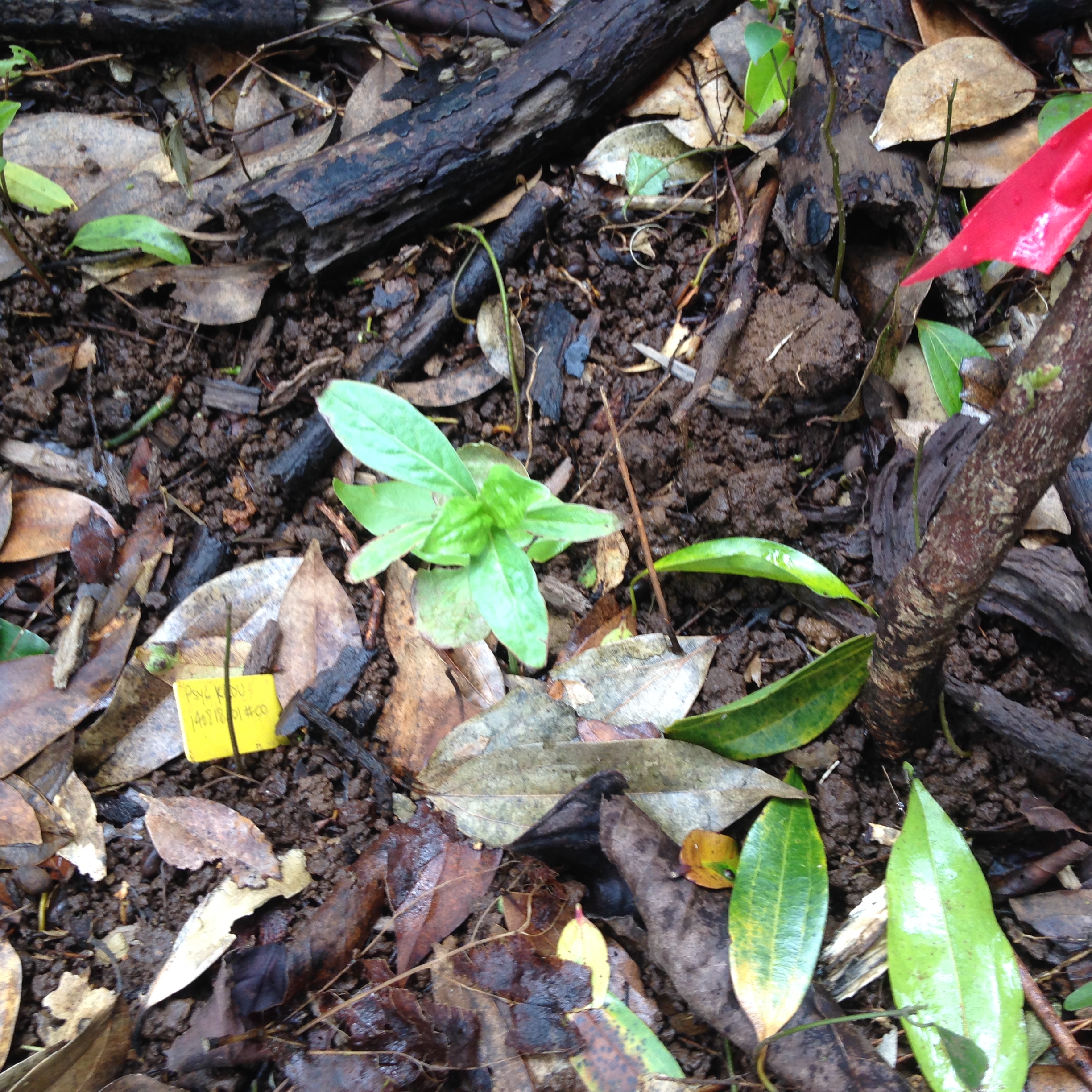
So here are some seedlings from a plant with uncertain affiliations. Currently it is part of Psychotria kaduana. But it was originally described as Psychotria longissima and has a much longer, droopy inflorescence. There is much work to be done with the genetics of the native Psychotria radiation here in Hawai’i. It remains to be seen whether this is a distinct population or not.

In the meantime, I’m playing it safe. While one of the more well known supposed P. longissima trees flowers consistently, last year was the first time I saw that tree produce fruit. With the expertise and TLC from the seed lab, they germinated!

outplanted Psychotria longissima


They’ve been in the ground a few weeks but they’re looking good! So, whether or not it is a genetically distinct population, there will be more droopy kopiko on Pu’u ‘Ohia.

Posted in Botany | Tagged | Leave a comment