Have you ever witnesses some sort of natural phenomenon? It doesn’t have to be super rare; it could be Manhatten-henge, it could be the Queensland Morning Glory, a solar eclipse, an aurora, it could even be a rainbow. It doesn’t matter what you experienced, what matters for this post is that these phenomena only occur under certain conditions.
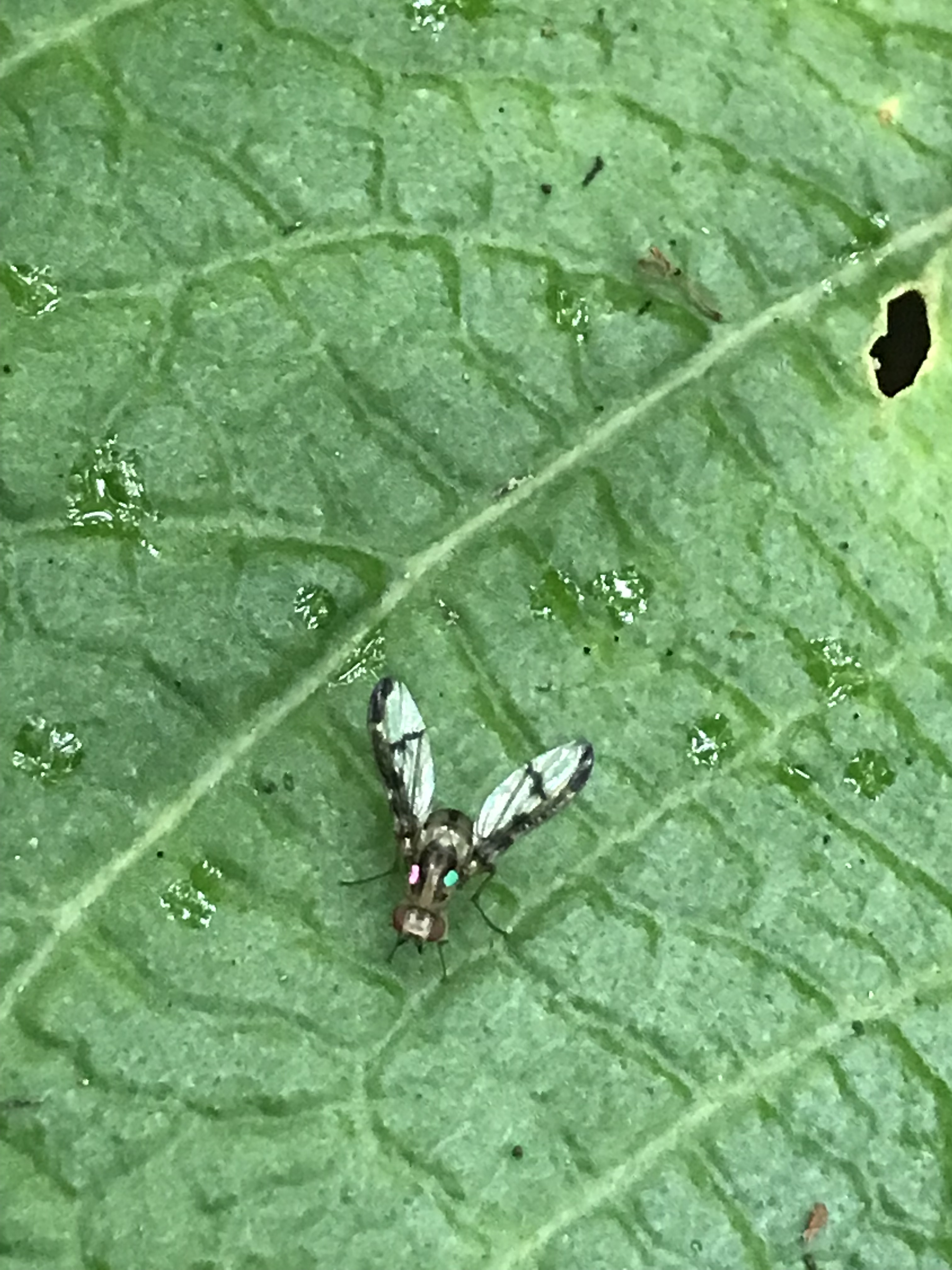
One way that a decade plus of active native reforestation has changed my perspective is I see native Hawaiian forest as less a place to visit or a thing to restore but rather as a system of interdependent relationships. One doesn’t go to a specific site to see native forests or post a 10 min YouTube rebuild video with a fully intact native forest at the end. To me, if you have the ongoing relationships between the soil, between the native pollinator, between the native seed disperser, etc, and those relationships are strong; you may have a chance to see native forests develop. In some ways I see native forests currently behaving more like an ephemeral natural phenomenon. If those conditions are in place the phenomenon of native forests can happen. What better way to see this in action than being able to restore one of those relationships with the release of an endangered native fly, Drosophila hemipeza.
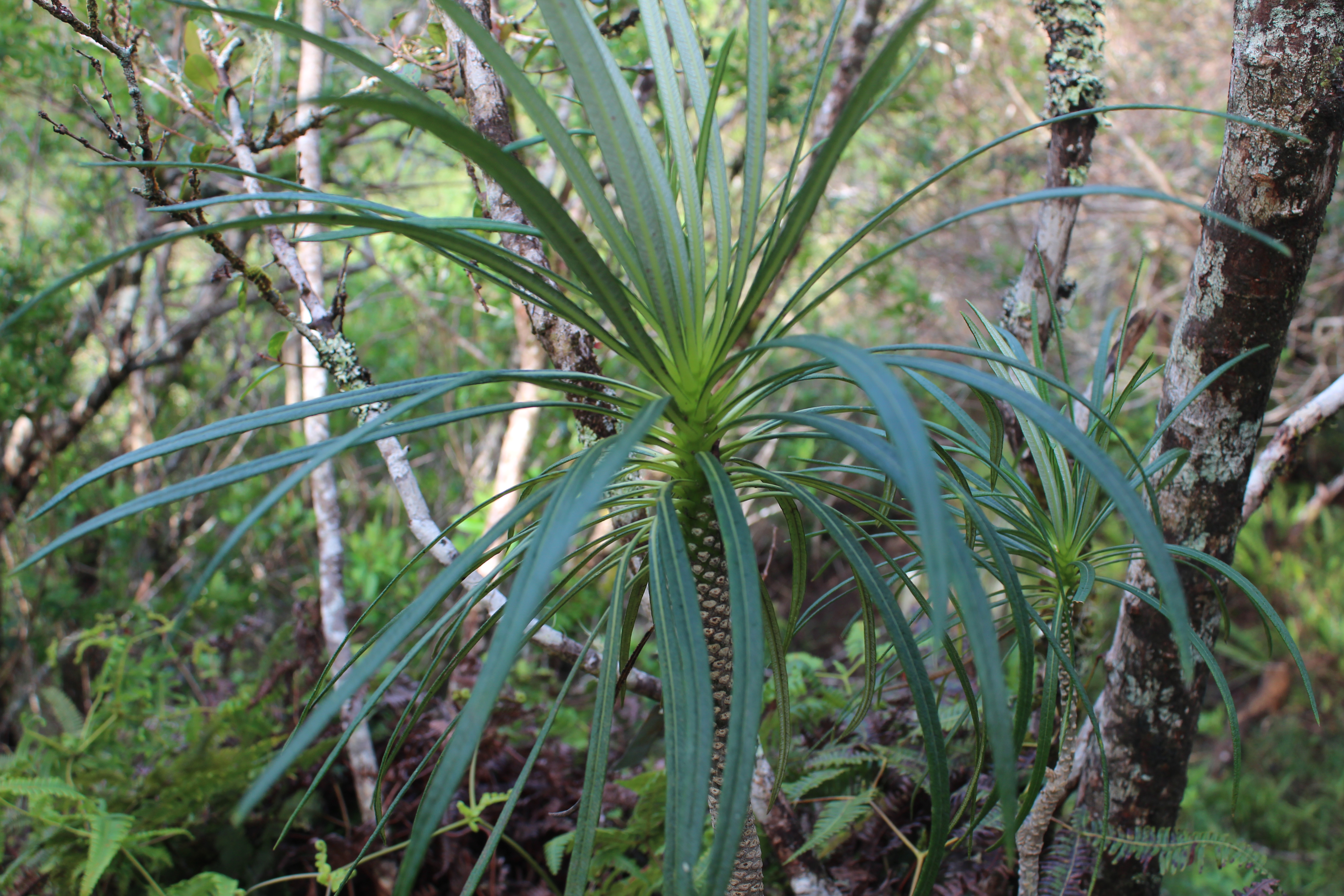
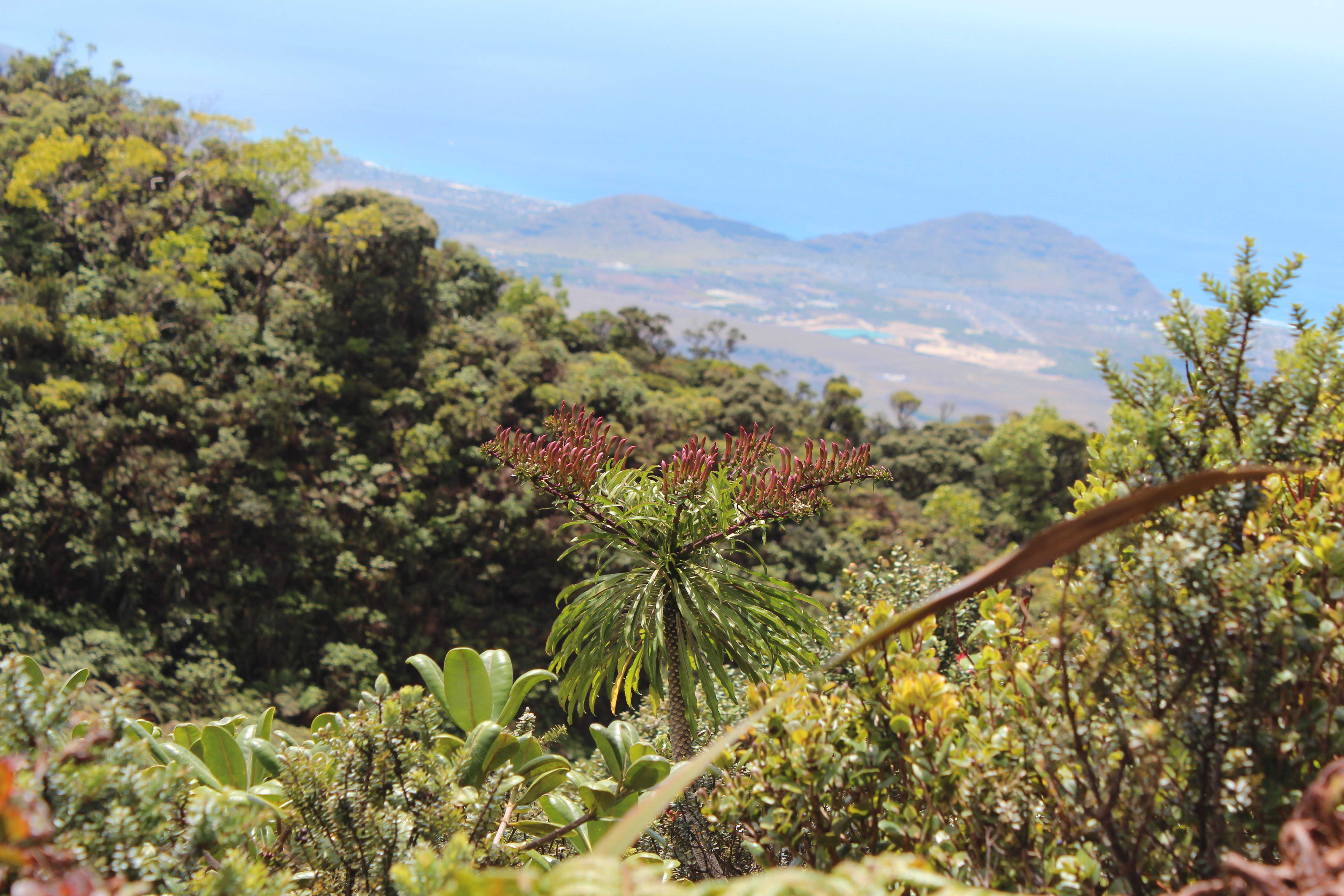
*Identification: : Form– Stems woody, erect, 15-20 dm long, with dense apical rosette of leaves Leaves– linear, 24-35 cm long, 0.5-1.5 cm wide, lower surface white tomentose. Flower– calyx lobes subulate, 3-6 mm long; corolla blue to lilac, 36-40 mm long, 3-5 mm wide, lobes spirally revolute.
Phylogenetic comments:2022 update — L. yuccoides on O’ahu is possibly distinct from L. yuccoides on Kaua’i. The O’ahu taxa might be of hybrid origin between the Kaua’i taxa and something within the Lobelia niihauensis group.
My notes: I’ve only ever come across this taxa in the southern Wai’anae mtns. I have yet to see it in a reproductive state; the dense central stalk of flowers would be quite the impressive sight!
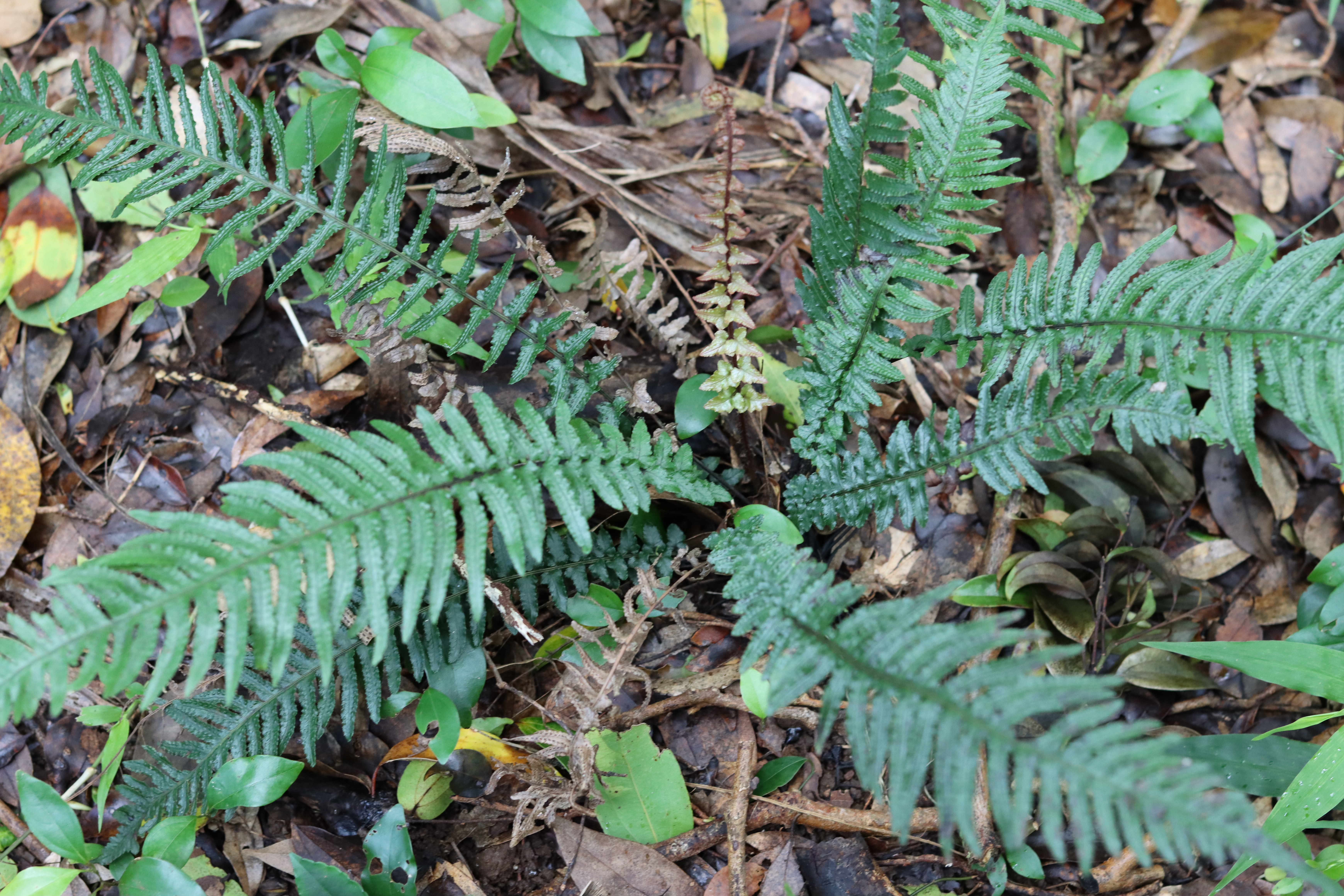
Here is another fern we have at the Manoa Cliff restoration site. ‘Okupukupu (Doodia kunthiana) is another endemic component to mesic-wet forest understories here in Hawai’i. It may be common in other areas, but I have not come across this species often on my hikes.
Having a 1-pinnate frond, D. kunthiana can easily by confused with the more common native swordfern (Nephrolepis exaltata var. hawaiiensis) Indeed, both species share common names in Hawaiian; ‘okupukupu, pamoho. (side note: ni’ani’au seems to be reserved only for Nephrolepis) But there are some ways to distinguish between the two.
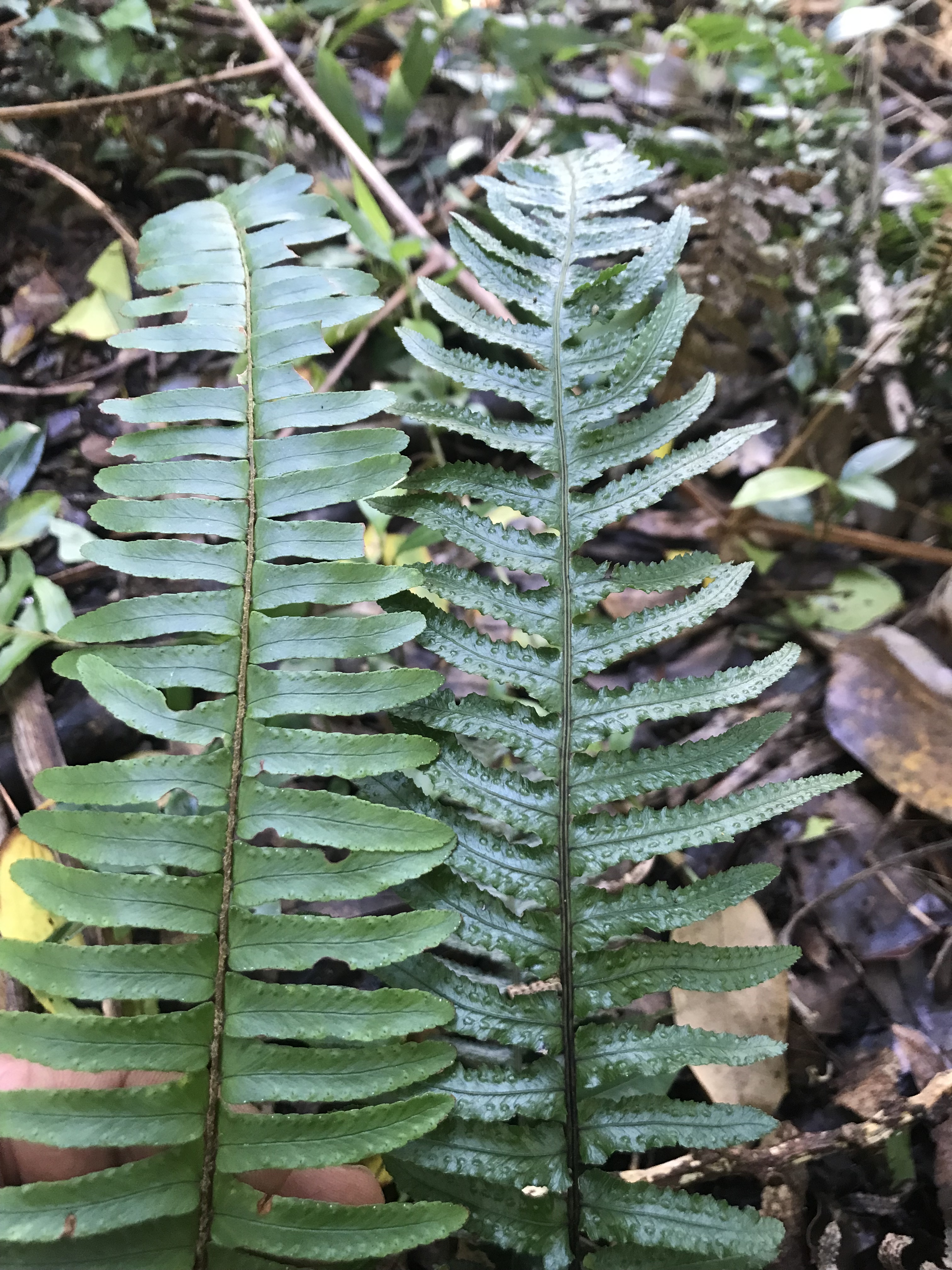
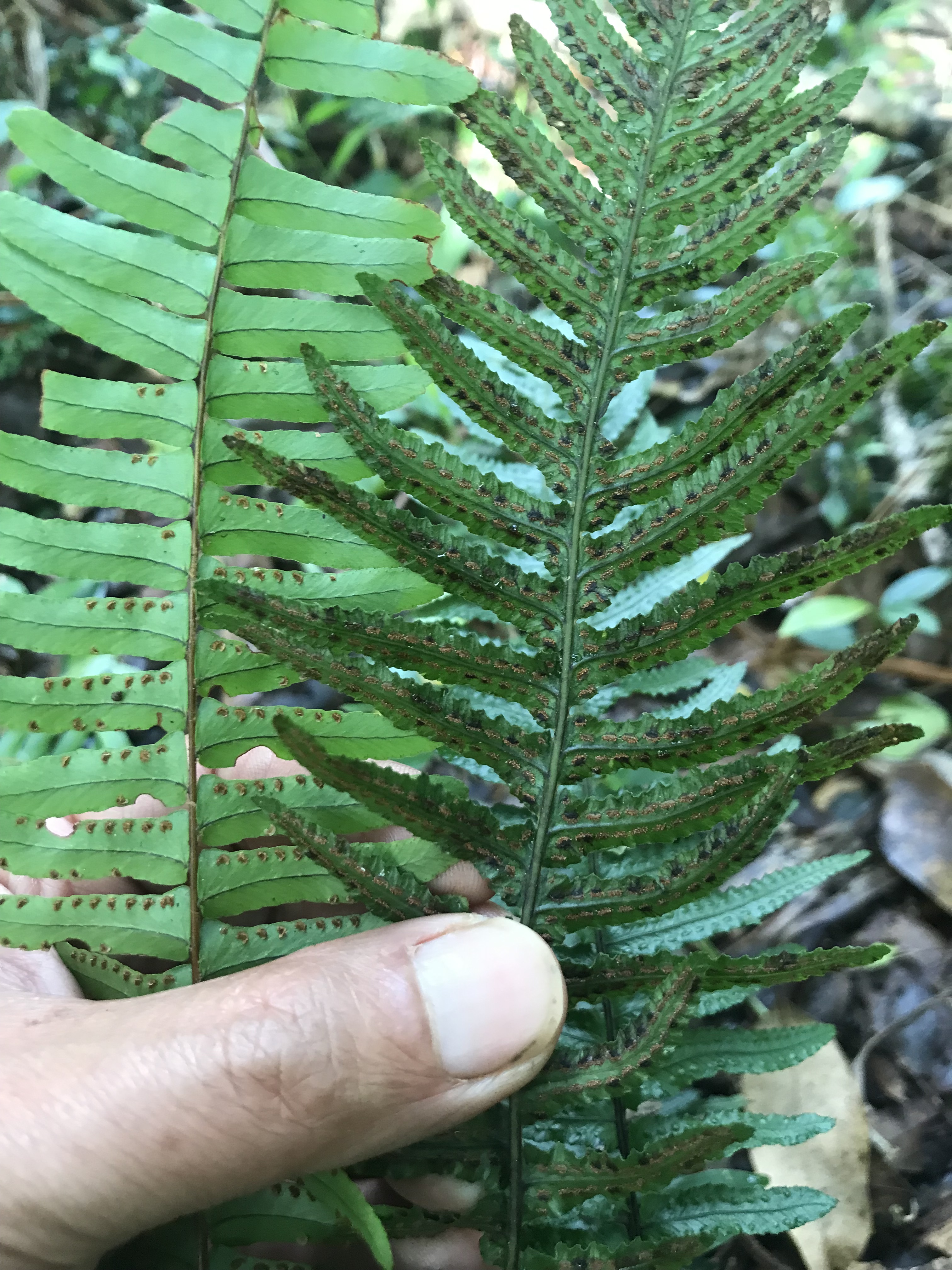
Here are two fertile fronds of different ‘okupukupu: Nephrolepis exaltata on the left, Doodia kunthiana on the right. You can see that near the top of the Doodia frond it is actually pinnatifid. There is also a noticeable grove on the rachis of Doodia though I’m not sure if this is diagnostic for the species. I also don’t know if the difference in the color of the frond is a reliable indicator.
Taking a look at the abaxial surfaces you can see that the sori are much different. On N. exaltata they are kidney shaped while on D. kunthiana they more medial on the pinna and parallel to the costa.
Another thing to look at is the color of the new fronds. Like it’s native blechnaceae relative Sadleria, the new unfurling fronds on Doodia are a reddish color. You can see that in the photo at the top.
Anyway, this is a quick post on another member of our native Hawaiian flora. So next time you come across a strange looking kupukupu in the forest, take a closer look. It might be a different member of our native plant community from what you might be expecting.
Considering I’ve been blogging mostly about Hawaiian plants since 2010, I’m surprised at myself for not having talked about ferns as much. In the wet forest habitats that I often frequent, ferns of all types are characteristic components of these areas. I’ll try to make a point to highlight them more now that I’ve gotten my second wind at this whole blogging thing.
‘i’i (Dryopteris fusco-atra) is a small terrestrial fern native to wet forests throughout Hawai’i. Here, in the Southern Ko’olau mtns, it is not very common. Dryopteris ferns are typically called wood ferns elsewhere and here in Hawai’i there is an extensive radiation. Indeed, possibly the largest Dryopteris in the world can be found on the island of Maui. Ferns can be hard to id, but this pretty species has long black scales on the stipe which is fairly different from other ferns found in the same habitat.
The populations are doing ok. Being terrestrial, they are susceptible to pig damage. This individual is actually growing at the base of an invasive cinnamon tree. I’m partial to the whole shuttlecock look, and am working to expand the population of this gorgeous fern at our restoration site.
Today’s post I thought I’d talk more in detail about Delissea. I want to get into a bit of its natural history, the grave challenges it faces but also some unique opportunities that anyone of interest can engage with.
Of the Hawaiian lobeliads, originally there were thought to be about 15 different species of ‘Oha (Delissea spp) endemic to the archipelago. They were typically found in dry-mesic forests throughout the chain; there was even a population once found on the island of Ni’ihau. With its branched habit, orthophilous flowers and baccate fruit, one would think Delissea are closely related to the similar looking Cyanea. It wouldn’t be surprising to think that they were just offshoots of the great Cyanea radiation of wet forests that invaded drier habitats. But the genetic work seems to show something that I find far more interesting.
Genetic work by Givnish, 2008 and Hunter (unpublished) both corroborate a strong relationship between Delissea and Brighamia. And both seem to nest within the overall radiation of sect. Galeatella, Trematolobelia, and sect. Revolutella, though with weak support. So there is a chance that within the greater Hawaiian lobeliad lineage, there are 2 parallel radiations of iteroparous, branching shrubs with axillary flowers and baccate fruit. One in wet forests and one in dry. While that may seem like strange coincidence it may show just how much selective pressure the native forests birds of Hawai’i were once putting on the plants of the forests. Nectivorous and frugivorous birds would have been found in all sorts of habitats, regardless of the rainfall gradient. The plants would have been responding to similar pressures from the birds, and in this case coming up with very similar solutions.
As neat as the evolutionary history of Delissea is, the group as a whole has not fared well in the face of anthropogenic change. Hawaiian lobeliads in general have been fairly sensitive to the damages humans have wrought but none more so than all the Delissea spp. Their dry forest habitats are some of the most extensively modified in the chain. Indeed, a majority of the human population in Hawai’i lives in former dry forests and coastal strand habitat, to the detriment of native biota. Of all the species, only Delissea rhytidosperma, D. kauaiensis, D. waianaeensis, & D. argutidentata are known to survive.
As sad as that is, oddly enough it provides a strange opportunity. If you live on Kaua’i, O’ahu or Hawai’i island, odds are you live in former Delissea habitat. And it turns out Delissea can be a surprisingly decent houseplants. The picture above are the Delissea next to me as I type this. I’m like one of those chefs that does take out at home. I work with plants for work. I work with plants for restoration. The last thing I want to do is take care of plants when I get home 😛 The point being, these plants do well even with my relative lack of attention. I just try to make sure to keep up with their eternal enemies: spider mites.
Will Delissea invade that new habitat call Instagram? Who knows. But the fact that they can reclaim old territory while paradoxically adapting to new habitat (indoor life) at the same time is the type of Sharing the Planet that I find so appealing. Delissea, the Cyanea analogue unique to Hawaiian dry forests, once on the brink but now primed to push out your chia pet!
I mentioned in one of my recent posts about gaining confidence in my reforestation work from basketball of all things. Well, here is another fine example of that confidence in a better future from the legendary Efren Reyes.
It’s a short clip 30 sec. featuring 2 pool shots. Seems simple, how does this video relate to my visions for a brighter environmental future? Watch Efren’s eyes light up as he sinks the first shot. He sees the opportunity, the possibility. He sees the future outcome even before the cue ball stops rolling.
And what outcome is that? Pause the video after he calls the last shot: can you tell what he is going to do? I’ll be honest, I couldn’t even tell how he was going to sink the shot until almost the very last instance and then suddenly it’s right where he said it would be.
Granted, in this case, the future that Efren sees is sinking the last ball in a surprising, crowd pleasing way. But through a lifetime of work and experience, he knows he can make that future a reality.
I see a path, a shot, to healthier native forests. I think it would surprise the general public. But seeing the shot and executing it are 2 different things. Efren has the skill; in many circles he is considered the world’s greatest pool player. While it remains to be seen if I can actually bring about this better future for native forests (well at least the tiny patch I’m working on), I have a quiet, guarded confidence that it will happen. Will there be cheering? Or will there be heartache? We will find out. But 12 years into shooting this shot and I still have the same smile as Efren “Bata” Reyes.
*Identification: : Form– Treelets 1-4 m tall Leaves– linear to oblanceolate, blades 15-36 cm long, 0.8-3.1 cm wide. Flower– calyx lobes triangular, 3-17 mm long, 1-3 mm wide; corolla various shades of pink, subbilabiate, 43-73 mm long.
Phylogenetic comments:T. kaalae is firmly nested within the Trematolobelia clade. It is sister to T. macrostacys and all the taxa found on the newer and younger islands.
My notes: Aside from location, Trematolobelia kaalae differs from the other 2 species of Trematolobelia found on O’ahu by it’s flowering: it tends to bloom in the spring and early summer. Trematolobelia in general is one of the few native lobeliads I’ve seen with self-sustaining populations: one can come across seedlings where populations are established.
Going through the updated phylogeny for the lobeliad series. Wow, there is a lot to unpack! And a lot for me to update. Even my last post is basically out of date now. I’ll be updating each entry as I go.
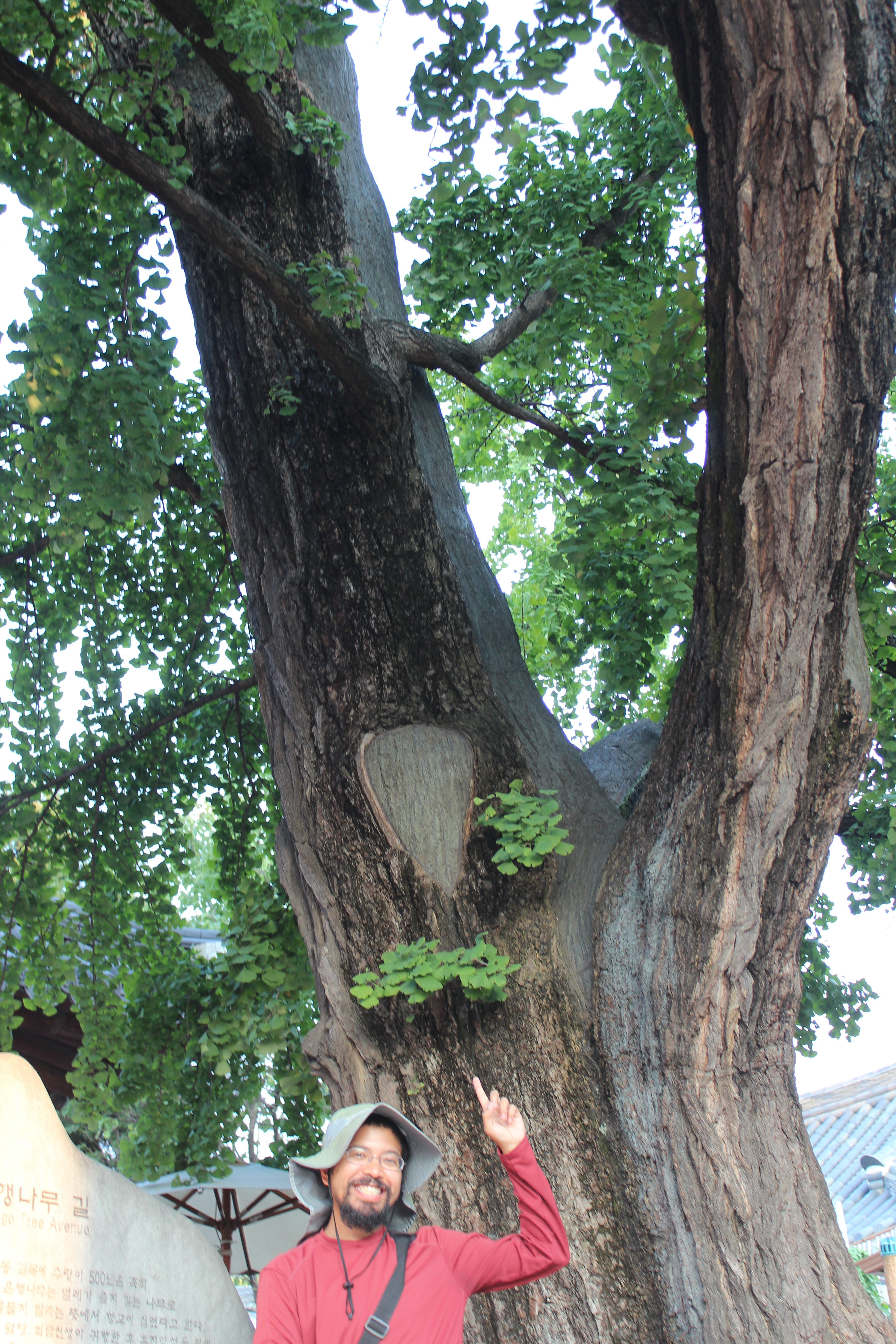
Arbor day in Hawai’i is coming up again and I am reminded of my trip to Korea about 8 years ago. We were staying at the Jeongju Hanok Village when we came across this old Ginko tree with a sign. Apparently, a high ranking official had planted it in the hopes that young scholars advance in their posts free of injustice.
Now what really moved me was that an actual person 600 years ago planted that young tree and I was directly able to enjoy their foresight and effort. I’ve been planting and restoring dozens of species of native plants at our restoration site over the last decade. It’s thousands and thousands of seedlings at this point. While on one hand it is a shame that I will never sit in the shade of the lama, hala pepe, ‘ohi’a seedlings that I’m planting now; I get such a sense of fulfillment knowing that a kid may enjoy the shade of the trees I’m planting some 600 years hence. It is so simple and straightforward, planting baby trees, that it seems insignificant. Yet not many easy things one does in their lifetime that someone a millennium from now can only fully appreciate. People may work hard enough for their career and have a park named after them. Which is well and good. But one can also plant the trees in the park as well.
To top it of we have blogs now. Sure there was a carved stone next to the tree stating the guy’s intentions, but we don’t really know. Who knows what the future technology looks like, but I’d imagine they could read this blog. So, hello children of the year 2622! I hope you can take a picture of the giant lama trees that I’m about the plant this coming arbor day the same way I did with this Gingko tree on a small street in Jeongju, South Korea.
*Identification: Form– Sparingly branched shrubs 2-4m tall Leaves– oblanceolate to oblong, blades 18-32 cm long, 3-9 cm wide. Flower– calyx lobes dentiform, 0.5-1 mm long; corolla white, sometimes slightly tinged pale purplish, 30-40 mm long, 3-4 mm wide, tube suberect to gently curved
Phylogenetic comments: Let’s take a bit of a deeper dive into the plants currently circumscribed in Cyanea and how this relates to the placement of C. membrenacea. 2022 update — The purple fruited Cyanea spp have been divided into 4 separate clades with C. membrenacea nesting within the angustifolia clade. The 4 clades themselves seem to have good support to be actually sister to the Clermontia clade and combined are in turn sister to the orange fruited Cyanea spp. Which would technically mean they would need a new name. But of course that highlights the difference between phylogeny (the evolutionary relationships) and the phylogenetic nomenclature (the naming of said relationships)
My notes: I finally caught this fine specimen in full inflorescence! Though to be fair, it’s really just me working on Pu’u ‘Ohi’a and not hiking as much anymore (It maybe flowering regularly and I’m too lazy to see it 😛 ). However seeing this guy was a real treat. Hiking the southern Wai’anae Mts is still a very strange experience for me; I’m still not use to seeing certain taxa like Cyanea is drier environments. But the lighter water regimen wasn’t stopping this specimen: it was much taller than me with a significant trunk.