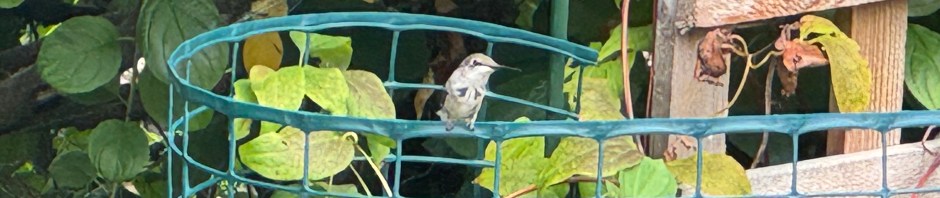
I’m not sure what to make of this post. It won’t strike the normal upbeat tone of my typical Studia Mirabilium posts but the severity of the situation must be said. The biota of Kaua`i deserves it…
Right before my visit to Ashfall in 2023, I had stayed at my parent’s place in Chicago and lamented about the native songbirds I saw in their backyard and how many bird species here in Hawai`i may never recover to reach that point. It was a bleak post, far bleaker than really anything I posted on this blog.
Fast forward a few years, and unfortunately I was not bleak enough. The entirety of the native forest bird guild on the island of Kaua`i is in a state of catastrophic collapse as we speak. Around the time I visited the Midwest in 2023, `Akikiki were the critically endangered birds with a few hundred left. Today they are considered extinct in the wild with the last known wild individual, a tough female named Pakele, last seen on Aug 29, 2025. A few dozen are in captivity now, in hopes to start a breeding program.
Even the common species are in a free fall. Kaua`i `Amakihi were thought to number over 9,000 individuals in 2023. Today there are maybe less than 100. The change in the last few years was the number of mosquitoes found in upper elevation forests on Kaua`i and the diseases they brought with them. They saw something like a 300% increase in mosquito detections in their traps in the last couple years. It’s just awful.
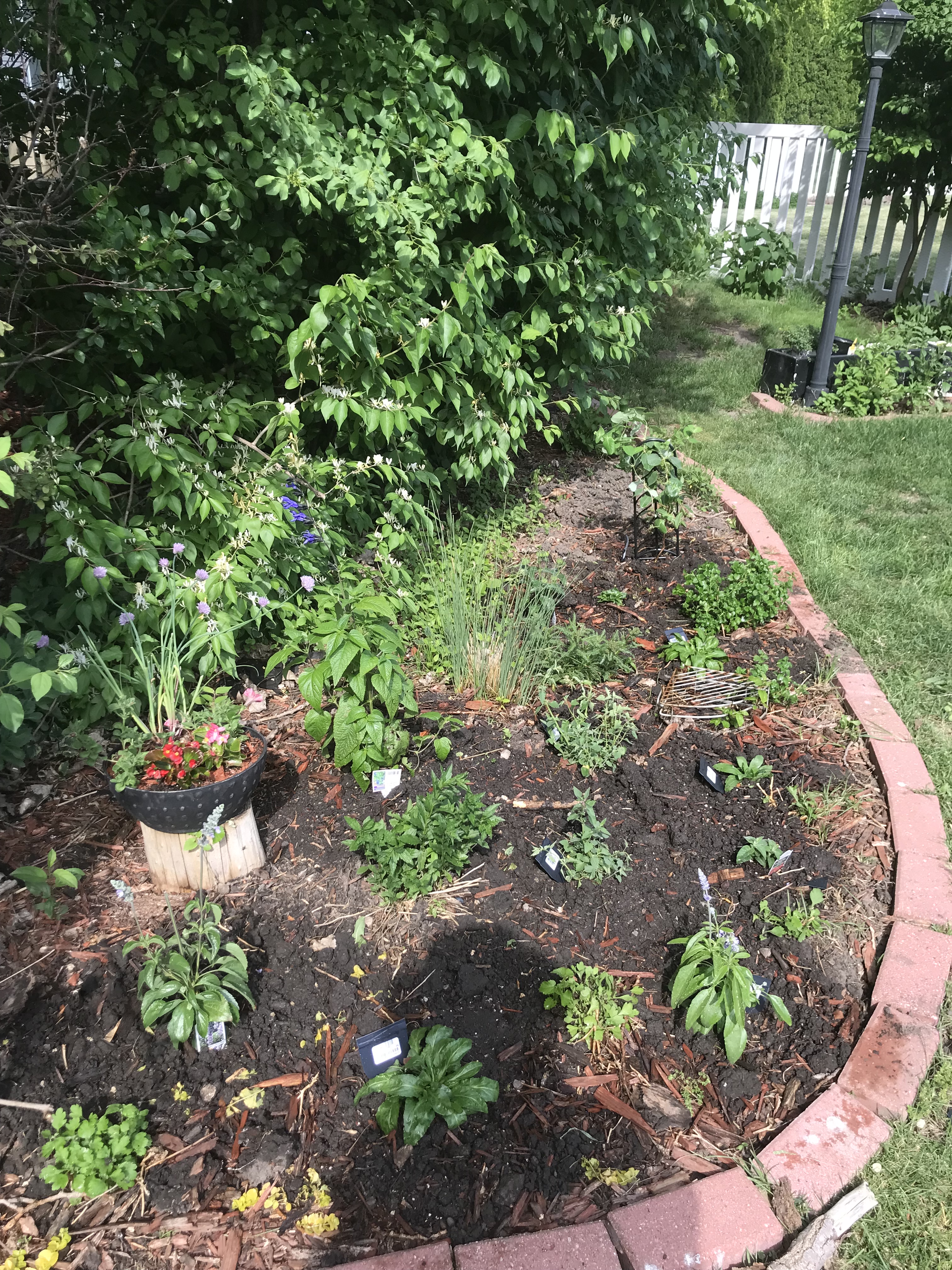
And yet we plug away. I had meant to do a follow up post to that American Robin post to paint a more positive picture. I never got around to it. For on that 2023 trip to my parent’s place, I had actually bought and planted a bunch of hummingbird-pollinated plants to hopefully attract the birds to their backyard. The picture above is what I took of the planted bed for that post I never got to. I have a thing for orthophilous flowers. Bird pollination syndromes are how a great majority of plants evolved or time in Hawai`i but are currently lacking their pollinators. Having done such intimate work with Hawaiian lobeliads, I made a point to plant Great Blue Lobelia (Lobelia siphilitica) as part of this planting.
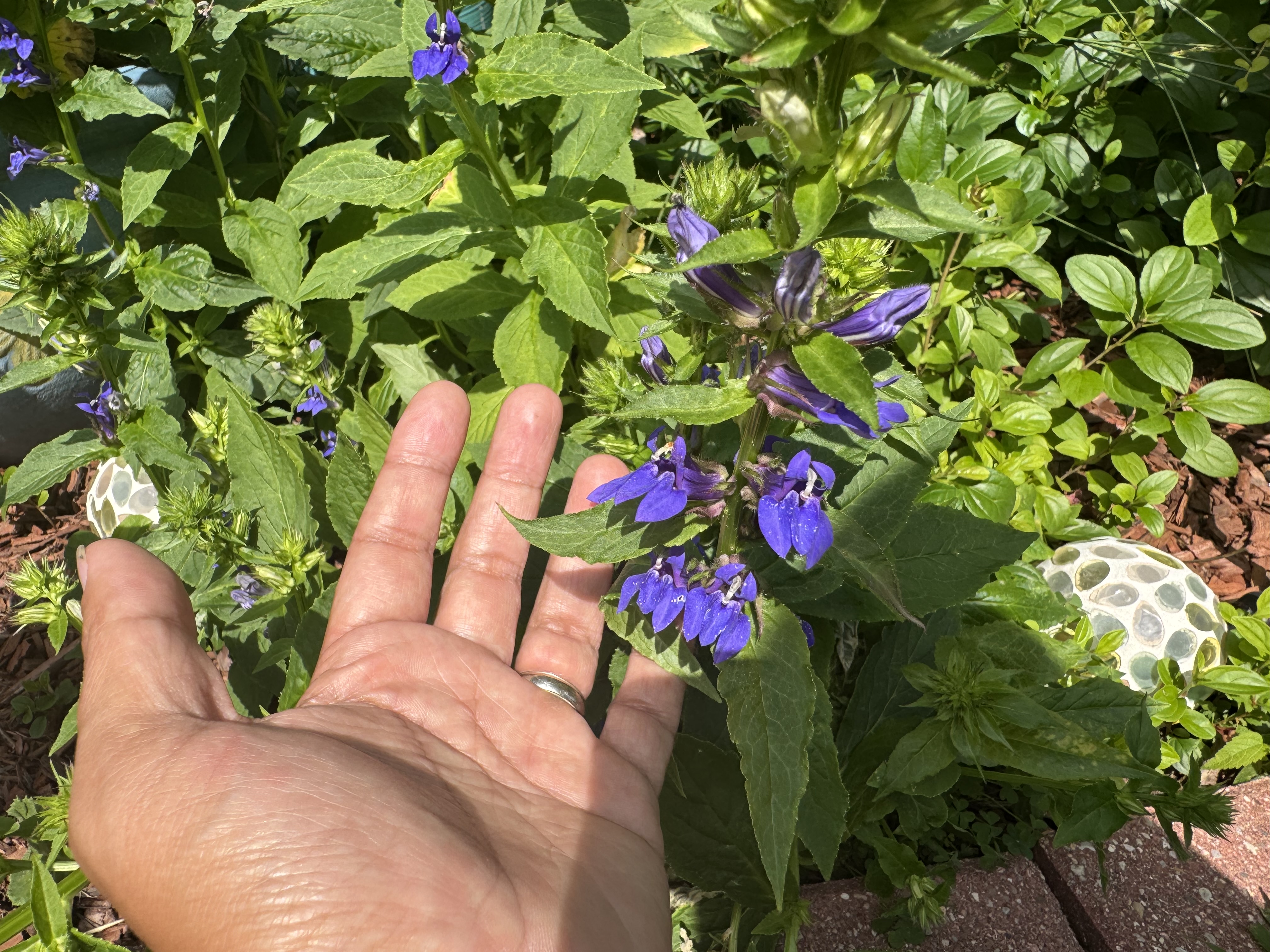
Well in Aug 2026 a work conference happened to be held in Chicago and I was able to check out what I had planted 3 years ago. The lobelias I had planted were thriving, I felt happy to catch them in flower.
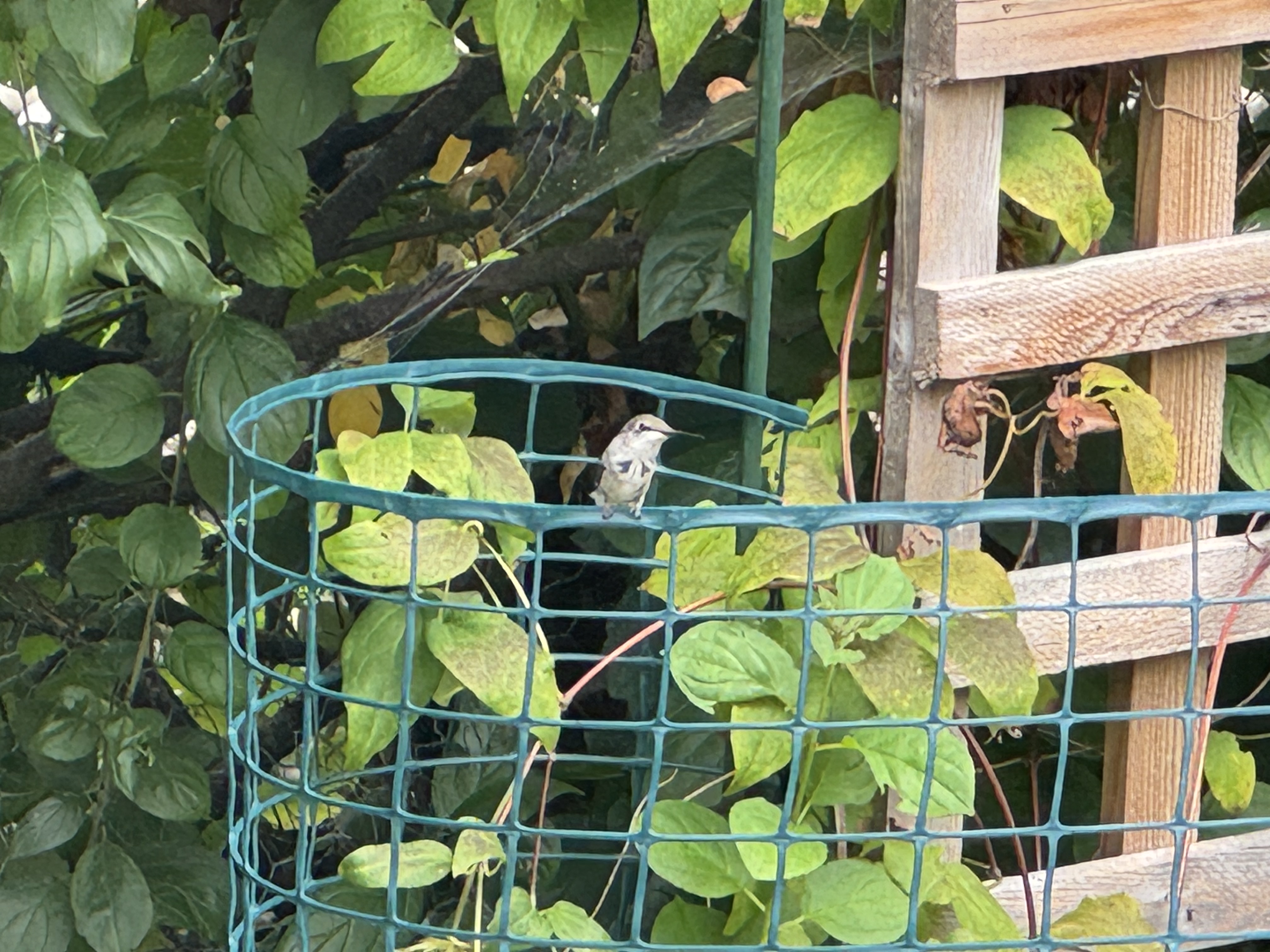
And I was able to see the hummingbirds those plants I planted in 2023 attracted. It might not be a big deal on the mainland but I’ve never seen any birds, native or non-native, pollinating the hundreds of native lobeliads I’ve planted over the years at our site on O`ahu. I was enchanted watching them.

Ironically enough, I have seen native birds pollinating native lobeliads… on Kaua`i, the very island currently experiencing such tragic loss. This was a photo of a Kaua`i `Amakihi I took as a neophyte conservationist with a cheap point and shoot camera for the very first post on this blog back in 2010. The fact that we may never see this interaction happen again is a hard, bitter pill to swallow.
This tragic news coming from that island of Kaua`i has not made me want to throw in the towel and give up. For me, it has done the opposite. I am even more determined now to do right by the biota of Hawai`i. For just as I planted native plants in my parent’s backyard on a summer day in 2023 and seen the fruits of my labor, I have also been planting, and weeding, and pollinating native plants in Hawai`i in hopes to see the same. Since I started this blog in 2010 actually. And we have seen glimmers of hope from the cumulative affect of those actions. Perhaps one day I will see native birds pollinating native plants in my backyard as well as my parent’s. We’ll have to see. The bottom line is that the native forests of Hawai`i will not stop trying to thrive just because there is bad news now. They will fight down to the very last individual. I, for one, will continue to do my part to help them. We owe them that much.


