Clermontia of O’ahu


Oha wai lau

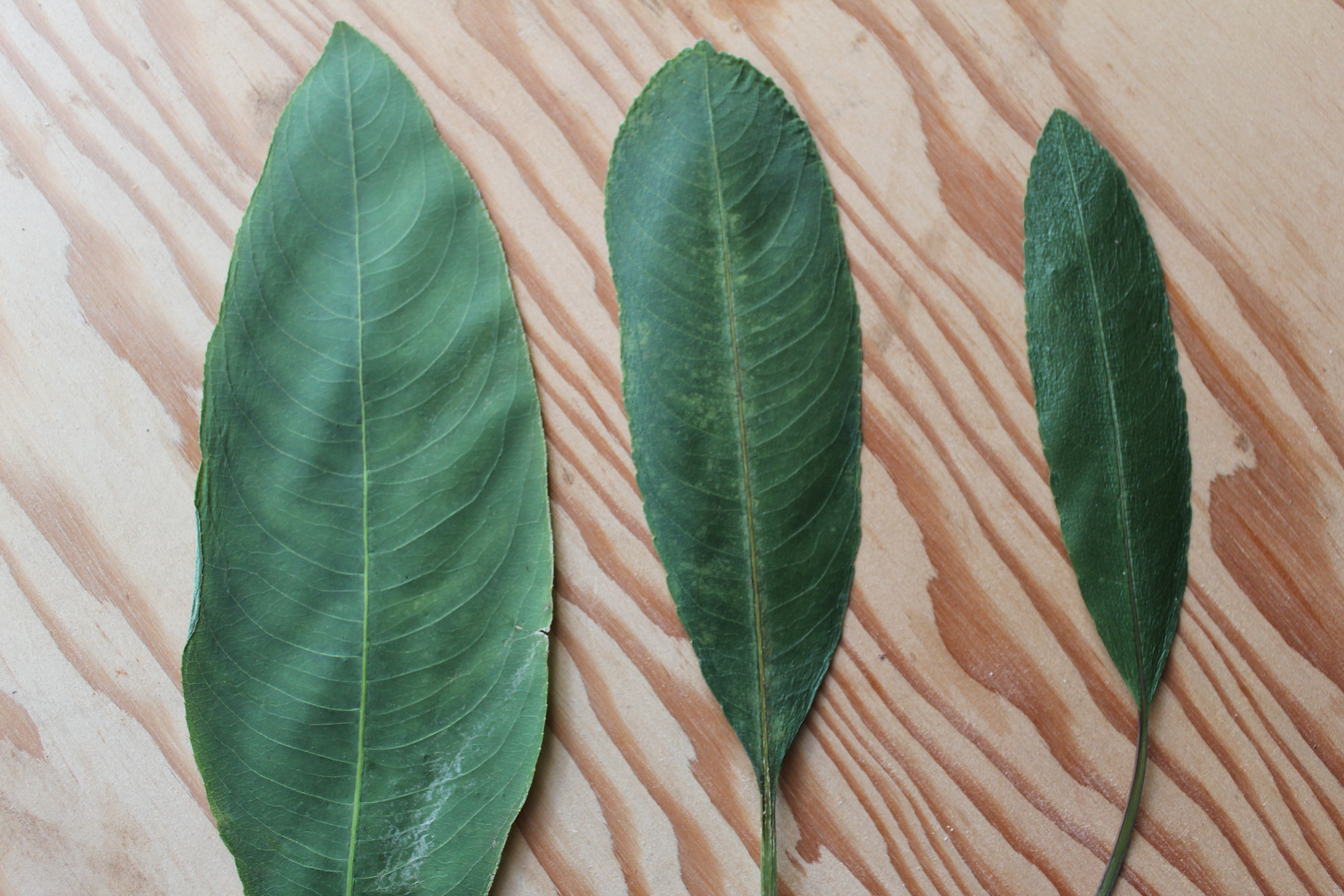
For me, seeing things side by side can really help clarify things. Here are the leaves of the different ‘Oha wai known with certainty from O’ahu. From left to right: Clermontia kakeana, Clermontia oblongifolia and Clermontia perscifolia. The leaves are all from plants roughly about a year and a half in age.

Immediately appreciably is the greater size of C. kakeana. But as we look closer, other differences become more apparent. C. persicifolia is a much deeper shade of green. On the live plant, the leaves are much glossier too.

C. persicifolia lau


Looking at C. persicifolia, we can see that the venations is reticulated and also impressed giving the upper leaf surface much more texture.

Clermontia petioles


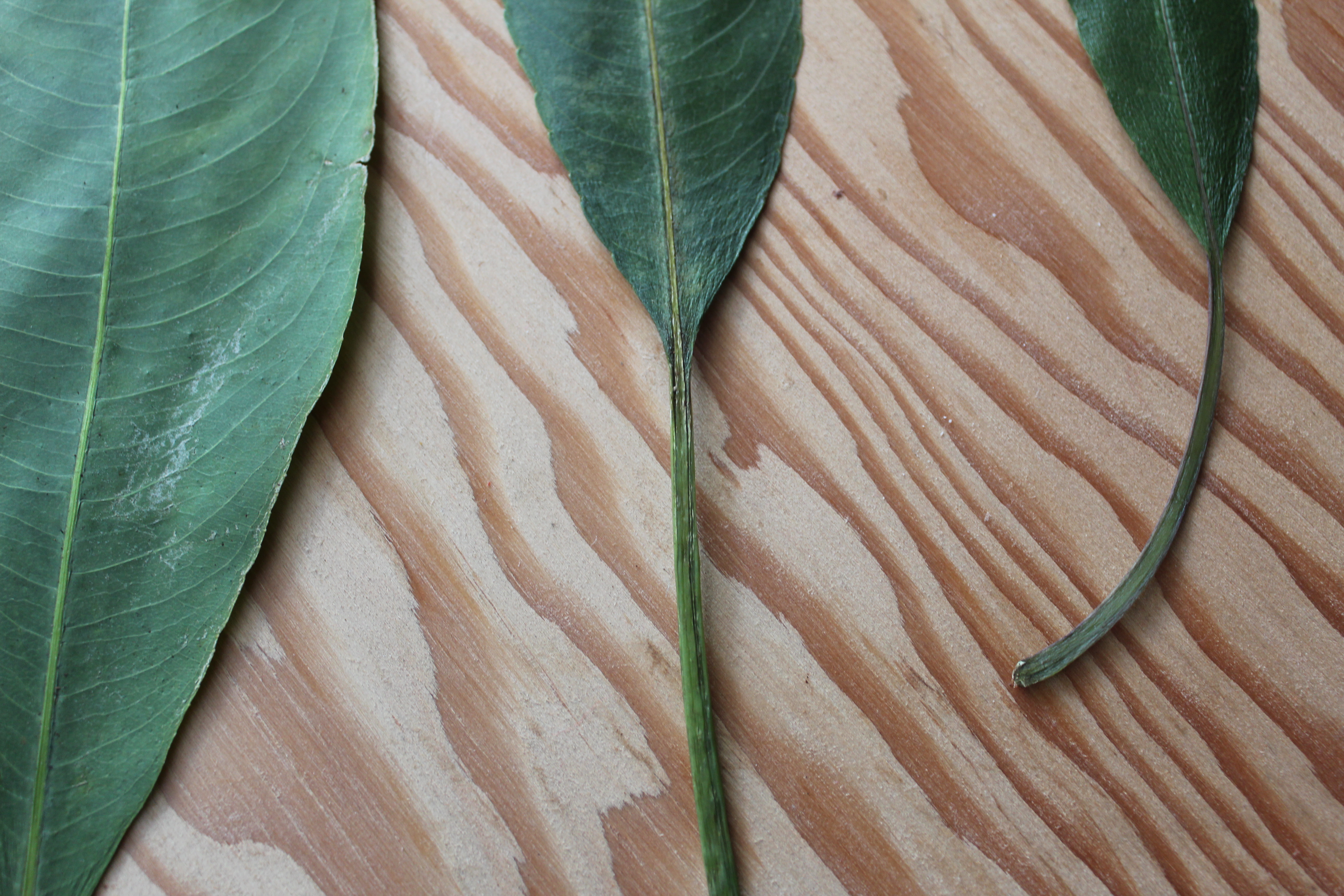
For the Clermontia oblongifolia population on Pu’u ‘Ohia, the petioles tend to be much longer than the other 2 species. In this population, perhaps because of this, C. oblongifolia leaves tend to be much droopier.

IMG_1160


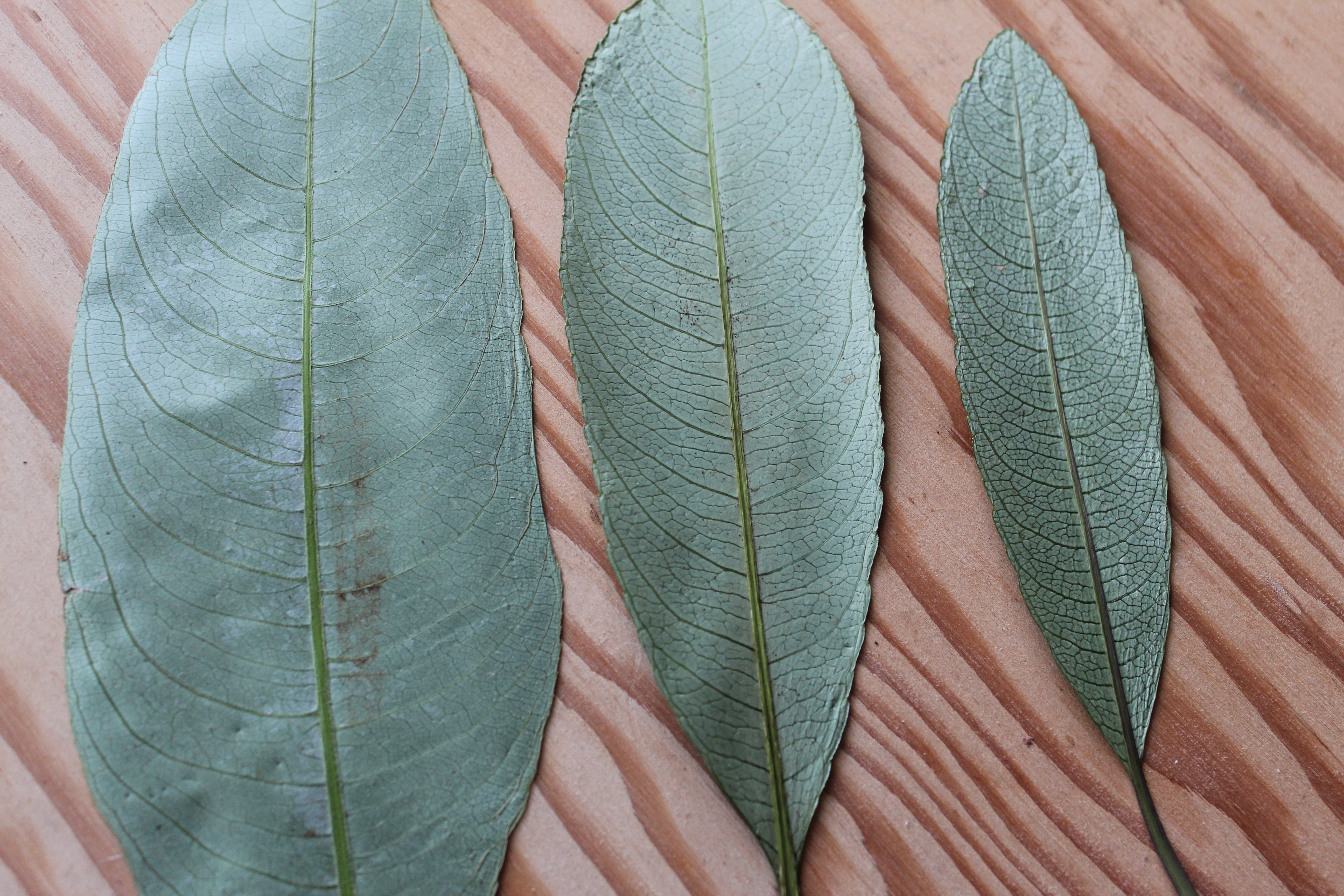
The abaxial surfaces are interesting as well. Again on C. persicifolia, the venation is much more conspicuous. What we can’t see from this picture (Still working on purchasing a macro lens) is that underside of C. kakeana leaves are quite hairy. The other 2 are much more glabrous.

And of course, most traits in nature are on a gradient. I’m sure you’ll run into an ‘oha wai on the trails that doesn’t quite fit these basic keys. Still I hope this helps with id’ing these awesome members of the forests of O’ahu.


Posted in Botany | Tagged , , | Leave a comment

Top 10 Sites and Sights seen on the Trails

The new year is always a good time for reflection. I have realized how much I’ve been hiking over the past few years. And I’ve been blessed to see really cool things on these excursions. Bottom line, even with close to 1 million people, O’ahu is not some lost cause… it still has great natural sites and sights. So to highlight that, here is my completely arbitrary top ten native biota seen on the trails of O’ahu. (I’m only including stuff that I’ve seen from fairly well known trails… so anyone can visit them!)

10  SandalwoodIliahi grove -Kaunala Trail

Purely an aesthetic choice. Seeing these large sandalwood with grass underneath, it looked like a shot straight out of a landscaping magazine.

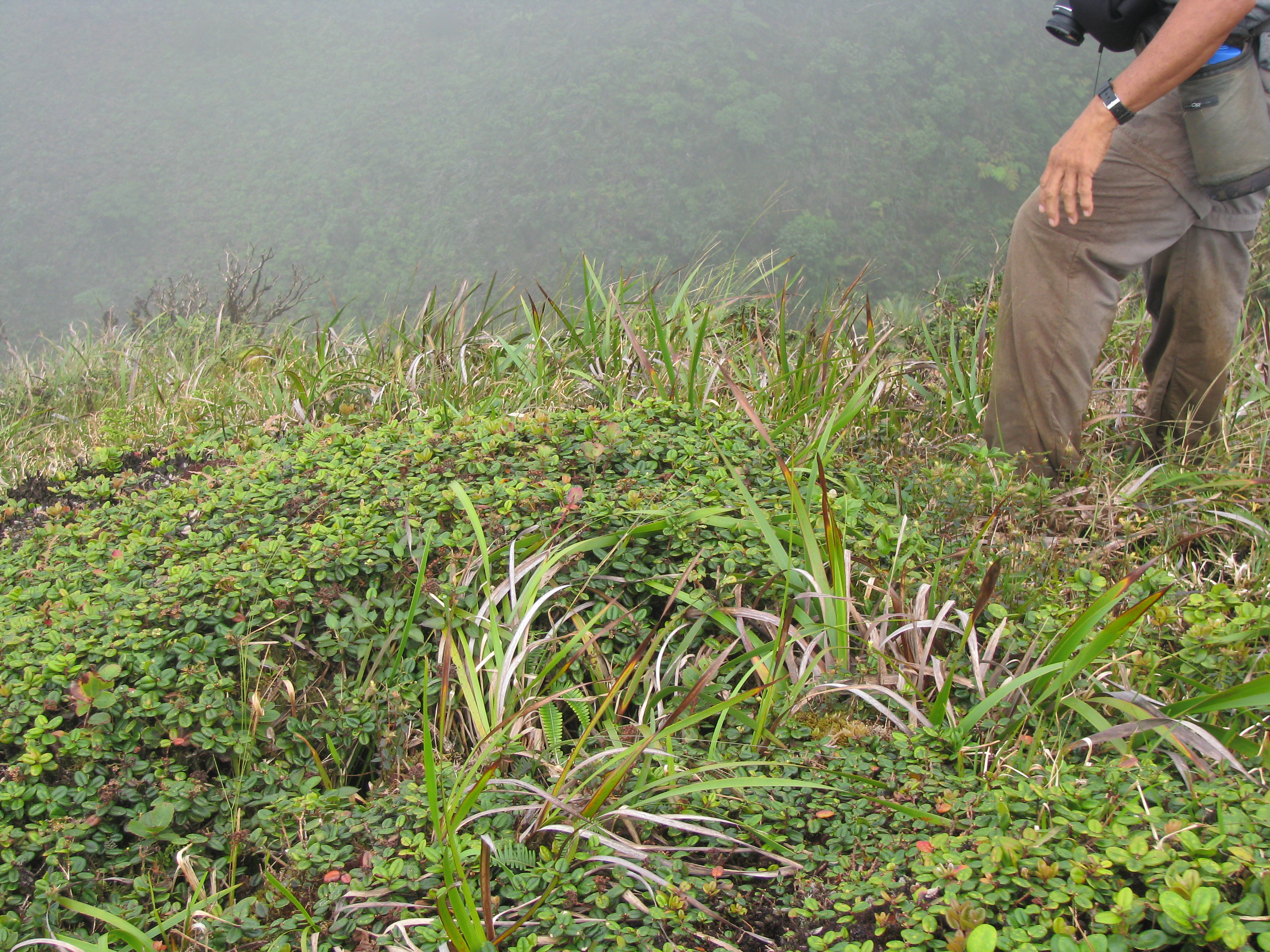
 9  Dwarf OhiaDwarf ‘Ohia -‘Aiea Ridge Terminus

Normally towering trees, this variety is stunted. They look more like an awesome ground cover.

 8 IMG_1419Achatinella mustelina -Wai’anae Kai Trail

Who knew turning over a new leaf could be so much fun?

 7  IMG_1801Manu-O-Ku -Honolulu!

Perhaps these birds just like late night Korean BBQ. Whatever the case, none of the main islands has as robust population of Manu-O-Ku than those in and around Honolulu.

 6 lehua papaLehua Papa -Moanalua Middle Ridge

Another aesthetic choice, this Metrosideros rugosa just had such a pretty crown. And such a dramatic setting too.

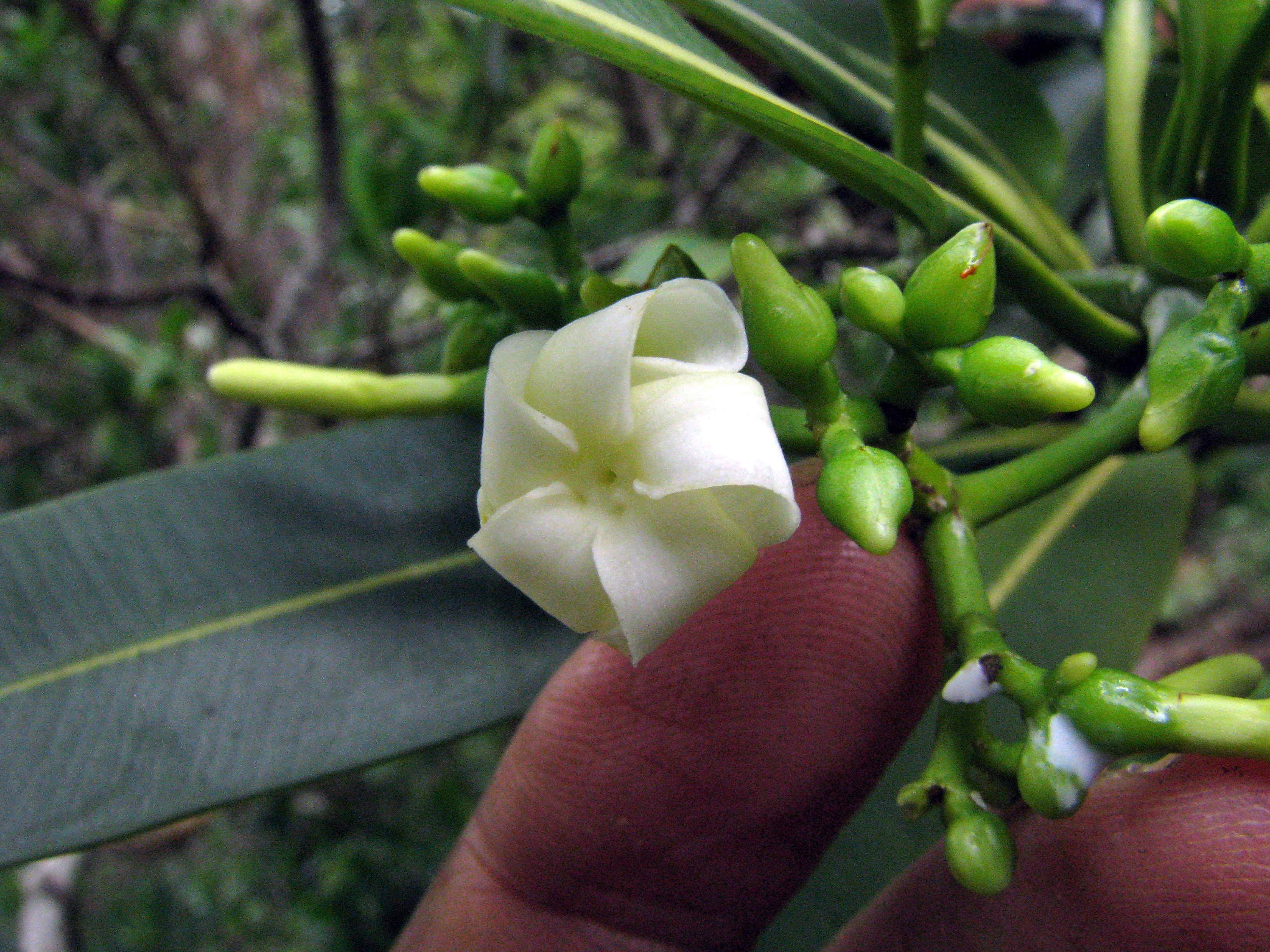
 5 Ochrosia flower Holei -Hawai’i Loa Ridge Trail 

If it were up to me, I’d nominate the Hawai’i Loa Ridge Trail as the best trail to learn about native plants. From dry shrublands to mesic forest to wet summit, this trail has it all. And it has large individuals of fairly rare plants too.

 4 Cyanea superba (1) Cyanea superba exclosure -Mokule’ia Trail

Visiting one of the most spectacular of the Hawai’i lobeliads is a treat onto itself. But the exclosure also has the neat arborescent Euphorbia herbstii… marvelous!

 3 Clermontia kakeana Clermontia kakeana – Manoa Cliff Trail

So yes, disclaimer, I am part of the group that works on the restoration efforts at the Manoa Cliff Trail. Perhaps I’m tooting my own horn. Still, I’m willing to bet you’ll be hard-pressed to find this majestic plant on any Ko’olau trail.


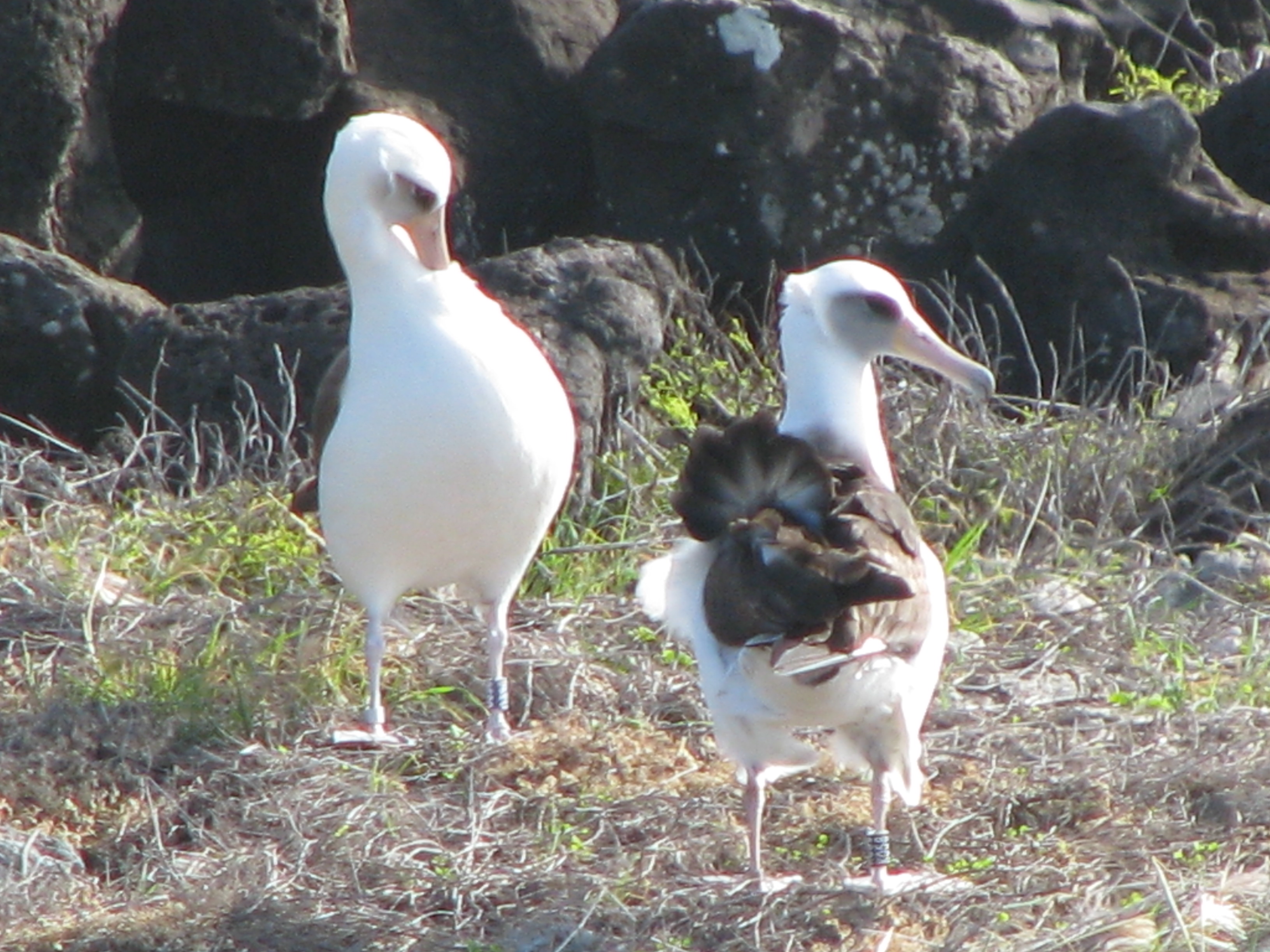
 2 IMG_0890Laysan Albatross -Ka’ena Point

Albatross are some of the most beautiful of volant birds. Some of the most  energy efficient too!

 1  ‘Elepaio -Wiliwilinui Trail

So I don’t have a photo of this but I was impressed. On the way back from hiking the Wiliwilinui Trail, we came across a pair of ‘Elepaio. At the trailhead! These birds were literally feet from people’s backyards! ‘Elepaio on O’ahu are still in a precarious state, but encounters like these show the possibilities of a rosier future.

Posted in Nature | Tagged , | Leave a comment

Snapshot: Giant golden-crowned flying fox

Flying fox

Ang laki itong paniki! Although, I guess I can’t say for certain if this is the local name for the Giant golden-crowned flying fox (Acerodon jubatus). Where my parents are from, paniki just means bat.

Anywho, I just wanted to highlight another of the great living treasures of the Philippines that I was able to take pictures of. A. jubatus is widely reported to be the largest of the Flying Foxes. But there are several other contenders. In fact, this species tends to form colonial roosts with another big fruit bat, the obviously named Large flying fox (Pteropus vampyrus).

Like many things in the Philippines, both bats have been subject to overhunting and habitat destruction. It would be a shame to lose such pretty members of the Philippine fauna.

*I didn’t notice until after I took the picture, but it seems that there are a couple spiders on the bat. It seemed unperturbed; I guess it’s not arachanophobic.

Links-

Dietary habits of two threaten co-roosting flying foxes (Megachioptera), Subic Bay, Philippines (pdf)

Posted in Animals | Tagged , , , | 2 Comments

Snapshot: The Reconquista

Mamaki


What does the Spanish reconquering of the Iberian Peninsula have to do with theBus #65? To those of you that follow my blog, you’ll notice that I have a predilection for ending my posts on a positive, hopeful note. The challenges to reforesting Hawai’i with native plants are as grand as they are many. Whilst my hopefulness may seem like wishful thinking, I give you exhibit A. What are those large leafed plants growing vigorously on the roadcut above the Pali Hwy?

Mamaki 2


It’s Mamaki (Pipturus albidus). By the hairpin turn, below the run-a-way truck ramp there was a washout or landslide a few years back. But instead of invasive weeds coming up, a whole lot of native urticaceae have muscled their way in. That native flora once deemed “doomed to extinction” are dominating a random roadside is my battlecry. It is even more remarkable that it is on one of the busiest thoroughfares on O’ahu.

So is this the biotic version of the Battle of Covadonga? Has the tide turned? I’d like to think that happened long ago. Still, non-native plants have so thoroughly invaded the lowlands that you can go about your normal life in Honolulu and not notice a native plant. But this is the reason I can looked at the highly altered urban environment and see nothing but potential. Native plants not only winning… they are routing their enemies. So next time you are driving over the Pali Hwy, look out your window and cheer them on. Native plants of Hawai’i…take back your homeland!

Posted in Sharing the planet | Tagged , , | 2 Comments

The mighty, mighty strand flora

IMG_1093

If the native plants of Hawai’i are thought to be weak, defenseless plants that are helpless in the face of invasive onslaught… the plants of the strand community did not get that memo. Many beach areas in the islands still have plant communities where the natives hold sway. Like the party pooper I am, I stole away from a beach bbq to check out the flora of this healthy, vibrant community.

Continue reading

Posted in Botany | Tagged , | Leave a comment

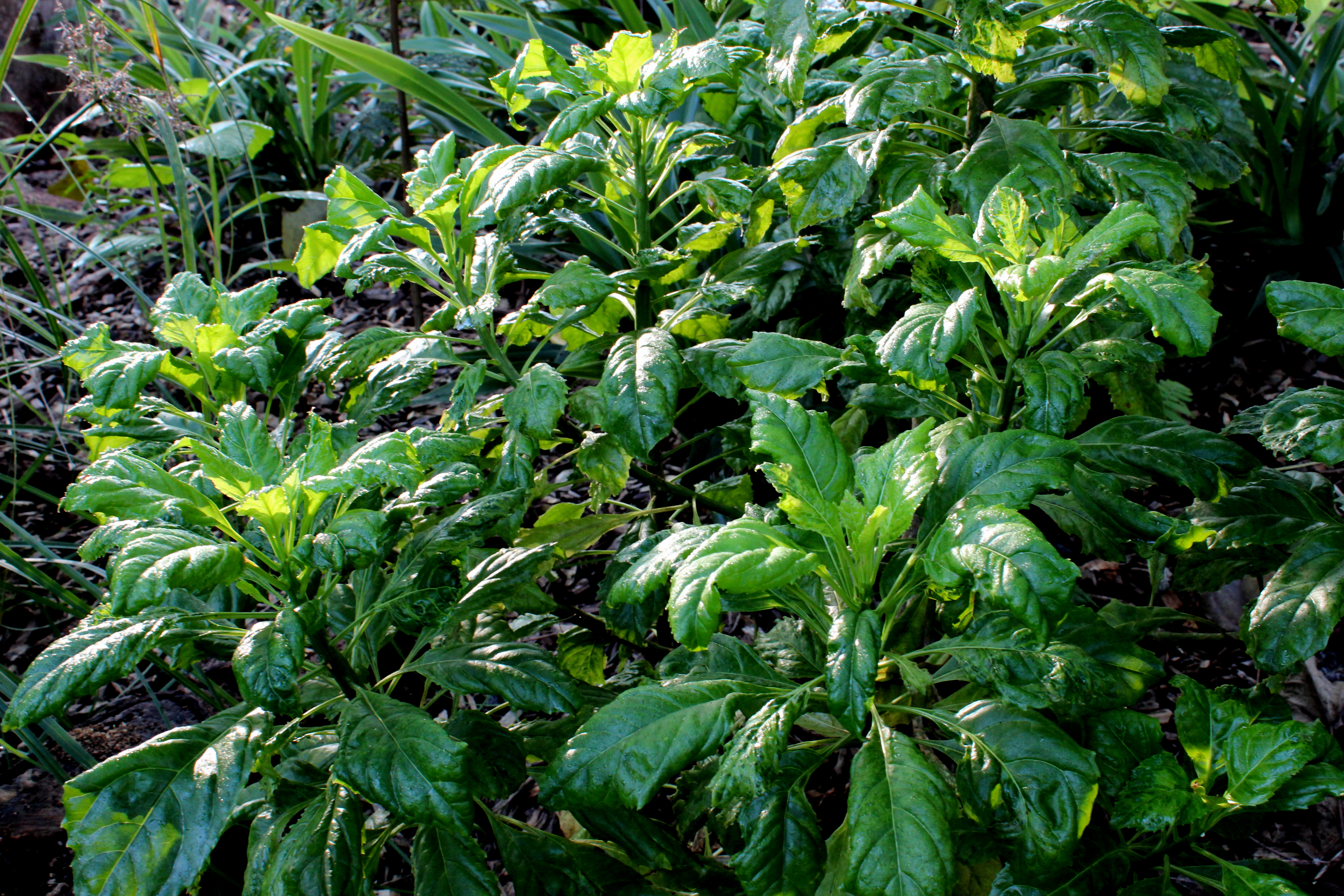
Getting to know your Hawaiian Lobeliads #23: Lobelia gaudichaudii

Lobelia gaudichaudii aspect

Lobelia gaudichaudii

  • Conservation Status: Endangered
  • Distribution: O’ahu (Southern Ko’olau mountains)
  • Date photographed: 12/8/2012
  • Ease of viewing: Difficult
  • *Identification: Form– Stems woody, 3-10 dm long, dense apical rosette of leaves. Leaves– oblanceolate to oblong, 8-19 cm long, 1.3-2.8 cm wide, midrib pubescent on lower surface. Flower– calyx lobes triangular, lanceolate or ovate, 10-15 mm long, 3-5 mm wide; corolla crimson, 50-75 mm long, 8-15 mm wide.
  • Phylogenetic comments: For a time, Lobelia gaudichaudii had two subspecies, subsp gaudichaudii and subsp koolauensis. Each has been raise to species level. More changes will need to be made because the genus Lobelia has be found to be paraphyletic. But that revision will be quite the undertaking.
  • My notes: Lobelia gaudichaudii is another awesome lobeliad that is part of the wet summit plant community. When we went to check them out, we were socked in by the clouds and buffeted by wind and rain. I thought it would be miserable conditions to take photos. Imagine my surprise when these came out.
  • Links: Smithsonian Flora of the Hawaiian Islands, UH Botany, Native Hawaiian Plants- Lobelia,
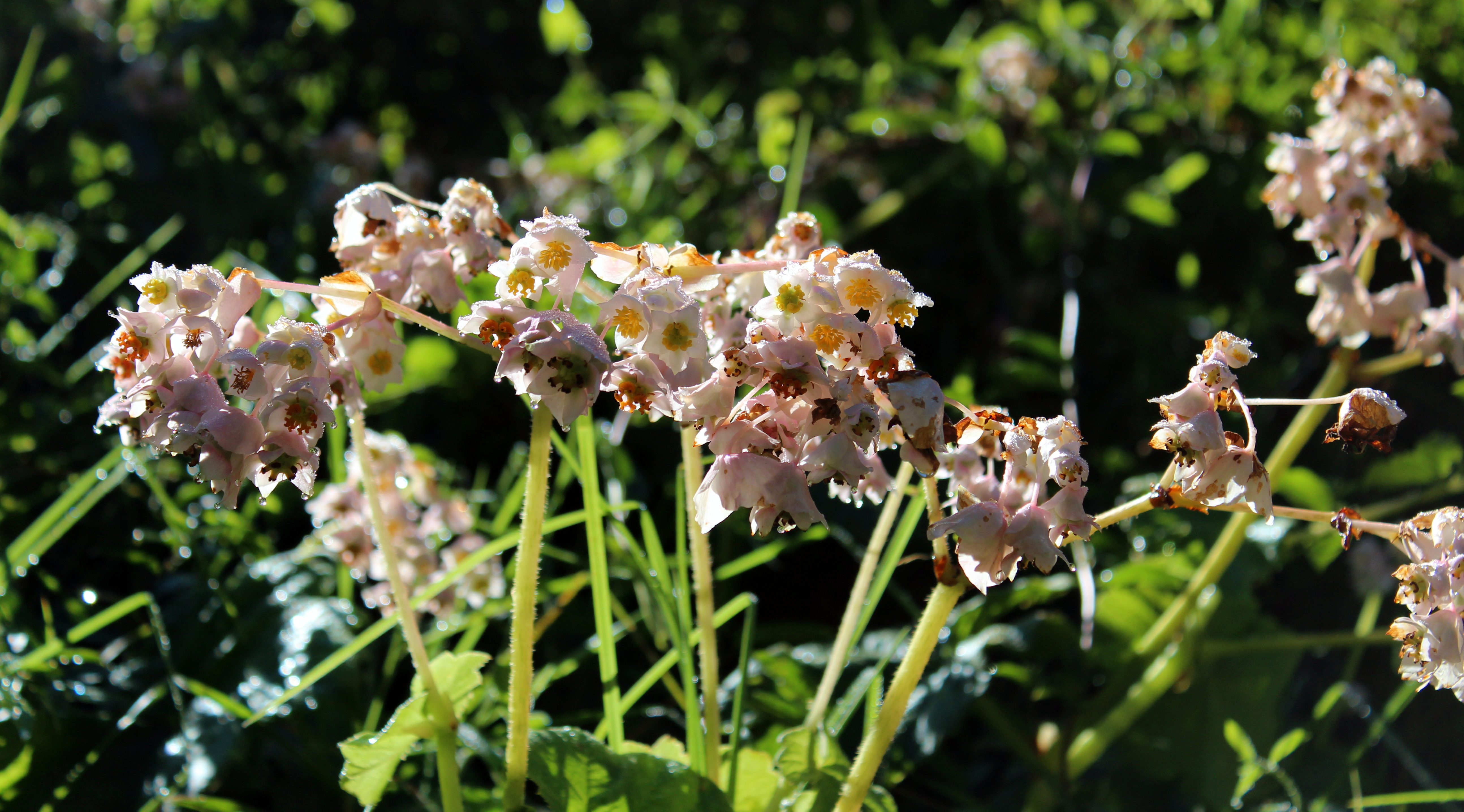
  • Additional Photos:

flower stalk

*From Manual of the Flowering Plants of Hawai’i
Posted in Botany | Tagged , | 2 Comments

Snapshot: The show goes on…


I should just rename this blog the Konahuanui Report. I still have a busy work schedule; yet the few times that I have been able to hike have been back to the top of the Ko’olaus. There’s a method to the madness… I think.

Since the last time I went up a few weeks ago, another Trematolobelia went into flower. This time it’s T. macrostacys. As you can see the flowers look much different than the T. singularis I highlighted recently. Aside from the much paler flowers, this specimen has thrown out multiple inflorescence in a pinwheel pattern characteristic of the species.


And to top it off, the Anini (Eurya sanswicensis) is starting to flower. For the sake of the population (There are 2 known in the entire Ko’olaus), may it be as fruitful as possible. Happy hiking everybody.

Posted in Botany | Tagged , , , | Leave a comment

Snapshot: Megalagrion


Coming across endemic fauna is always a highlight of any hike. Along the trail was a rather nice amount of Hawaiian damselflies (Megalagrion spp). I’m thinking male and female, though it could be sympatric species. My guess is M. oahuense but not to sure on that one. Pleasurable hiking companions in any case.

Posted in Animals | Tagged , | Leave a comment

Snapshot: iPad Doodles

So, I’ve been messing around with one of those painting apps for the iPad. It’s good fun even if my efforts are a bit amatuerish. Anyway, if conservation is successful here on O’ahu, this is a sight I would hope to see one day. This is an I’iwi (Vestaria coccinea) feeding on an Oha wai (Clermontia kakeana). It might be wishful thinking, but like I’ve said before: Dream impossible dreams, you’ll never know how close you can actually get otherwise.

Posted in Sharing the planet | Tagged , , | 2 Comments

Snapshot: How do you like them Bananas


So at work, we do what we can to perpetuate traditional Hawaiian practices and perspectives. One of our many foci is traditional farming with traditional staple crops. It is quite well known how many unique varieties of Kalo (Colocasia esculenta) were developed here in Hawaii. We care for roughly 28 different native types, for instance.

It’s worth noting that bananas (Musa spp.) were also farmed in old Hawaii. There are dozens of different strains that Hawaiians created over successive generations. This variety, Hua Moa, actually has a rather interesting modern story. It was taken to south Florida in the ’60s where it has become established in the local community. Most Hawaiian bananas are cooking bananas, so Hua Moa fit in quite nicely with all the plantains used in Latin American cuisine.

Hua Moa translates to chicken egg. As you can see from the picture, the large, squat bananas resemble their namesake more than they do other more familiar-shaped bananas. I can’t wait to try one! There’s a plantain dumpling stew that I remember from my time in Ecuador that looks like the winning recipe!

Posted in Botany | Tagged , , | Leave a comment