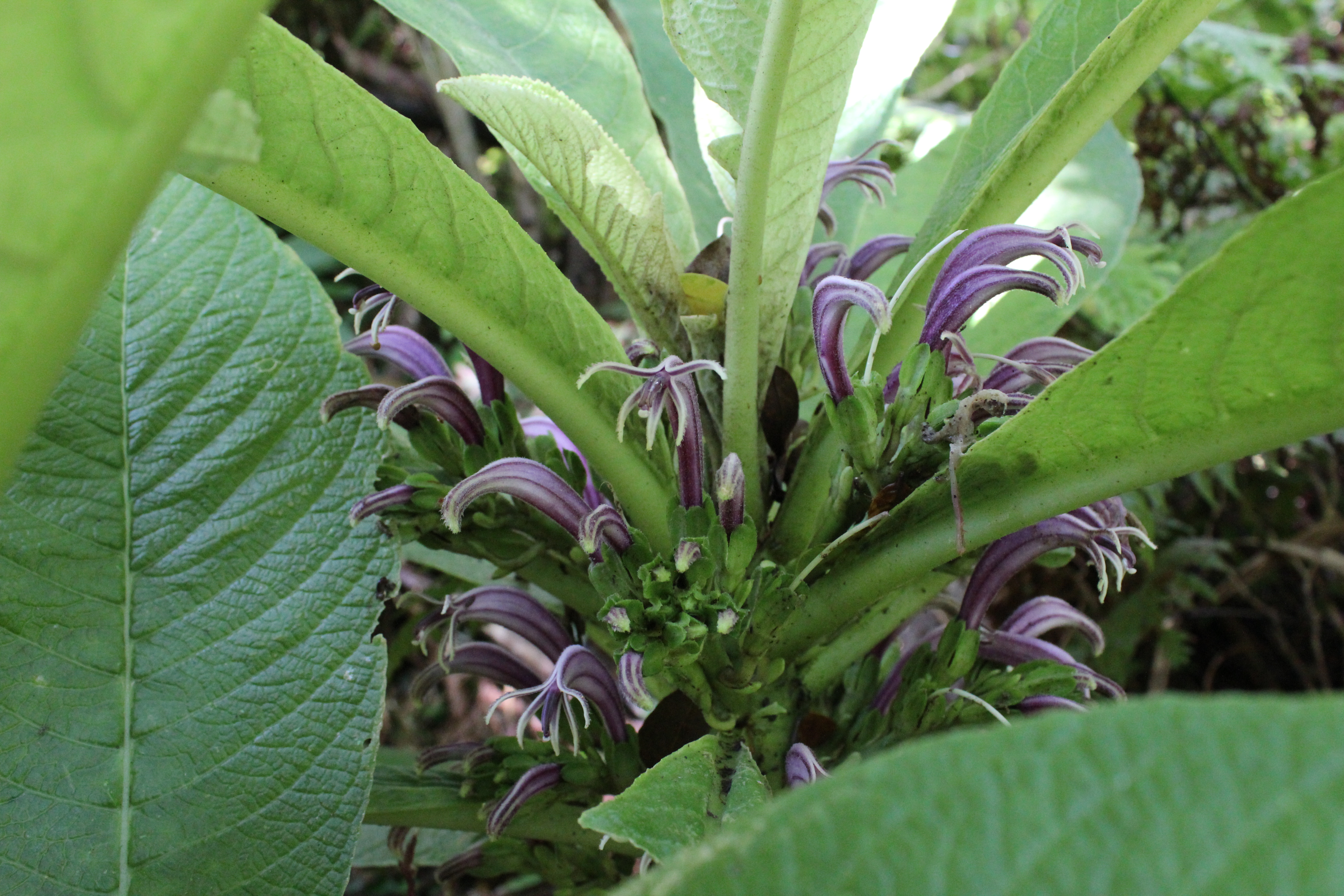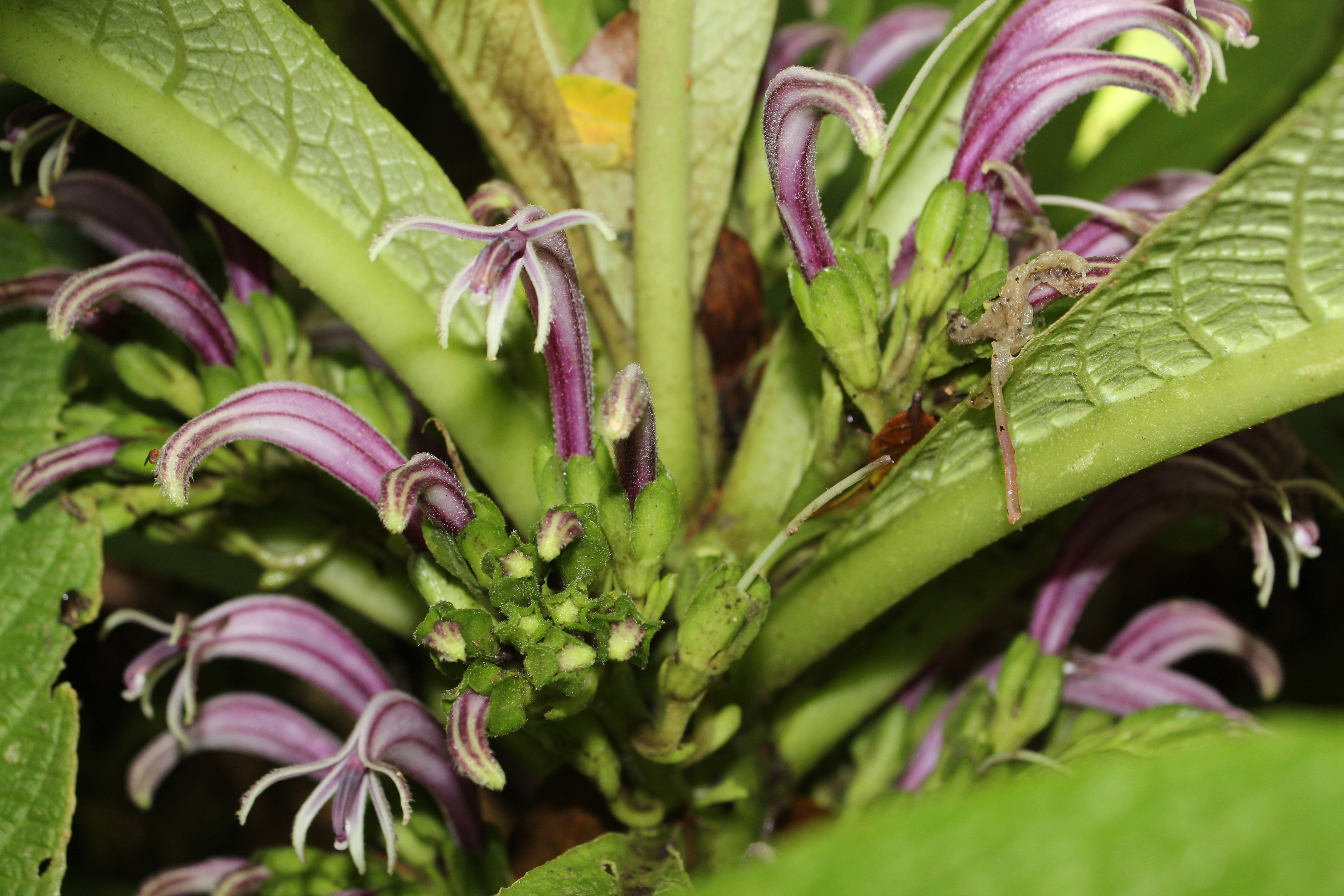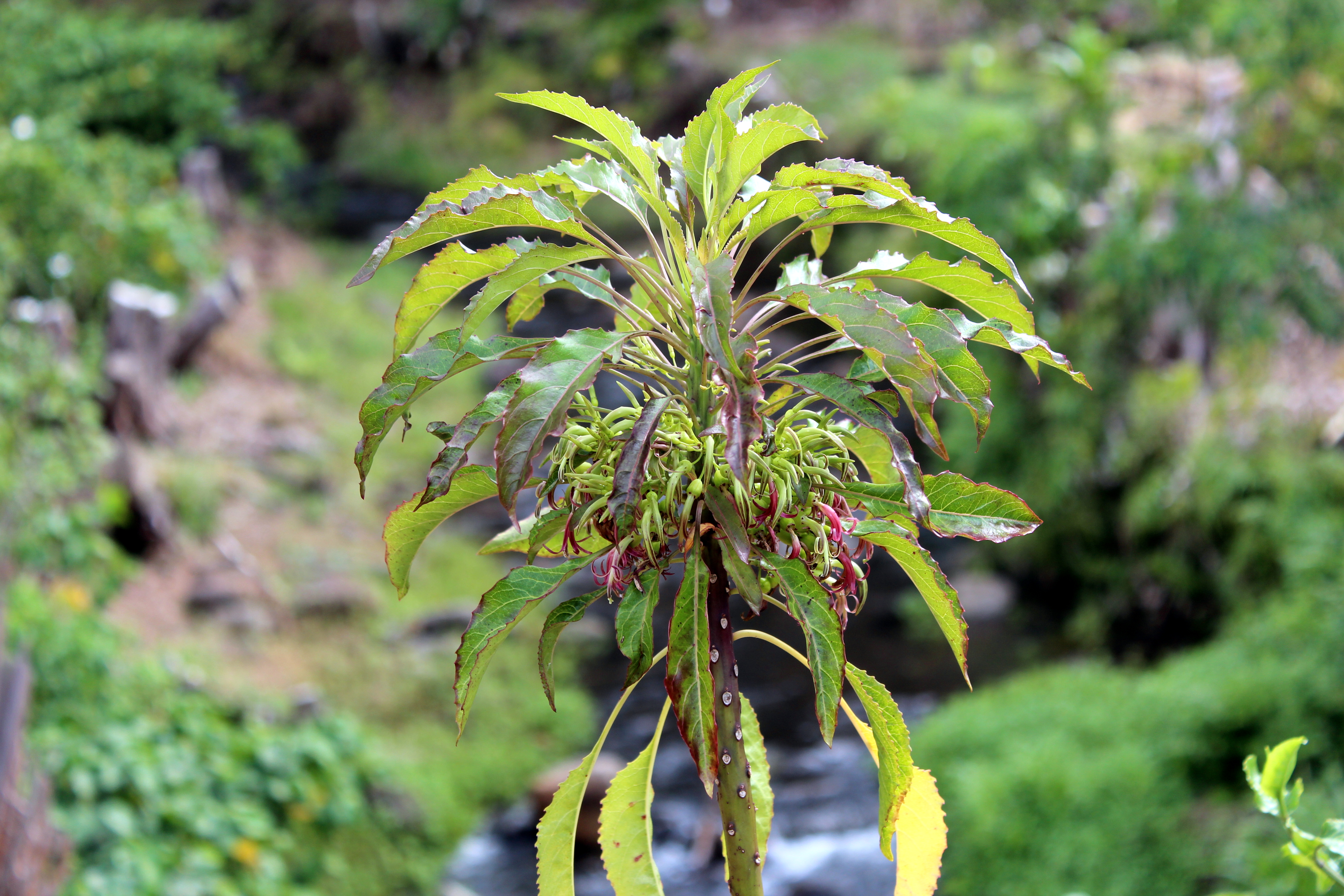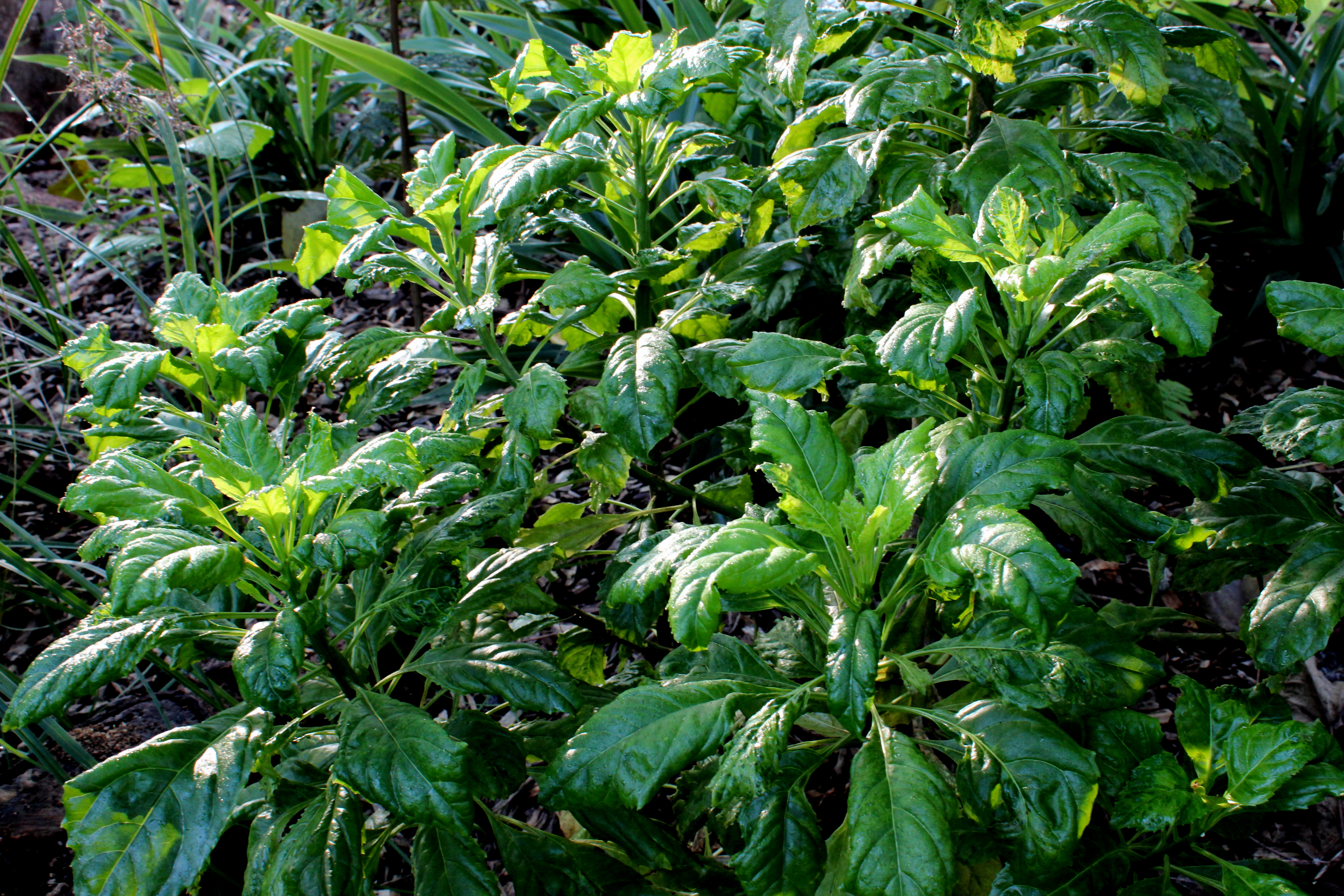
Getting to know your Hawaiian Lobeliads #24: Delissea rhytidosperma

Delissea

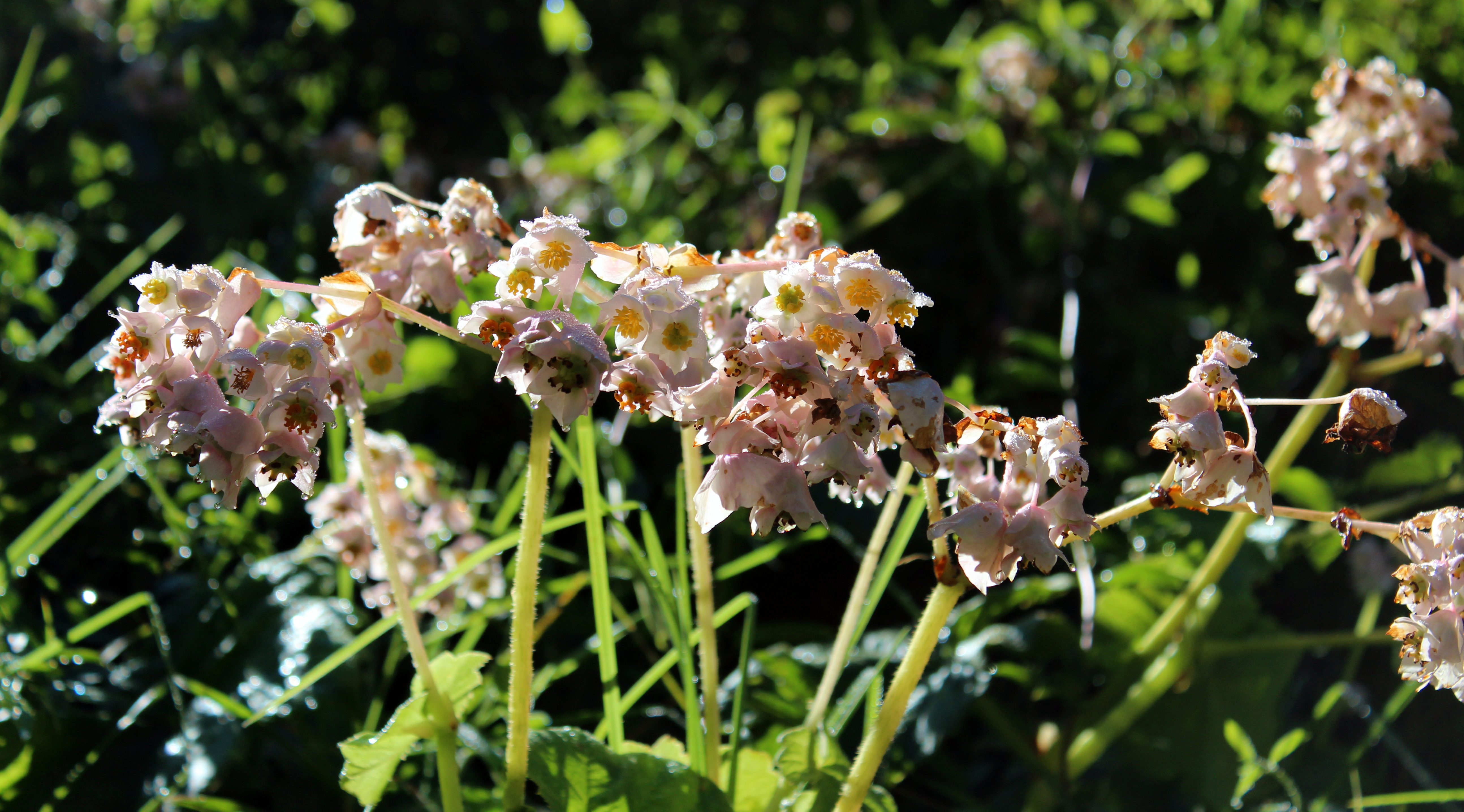
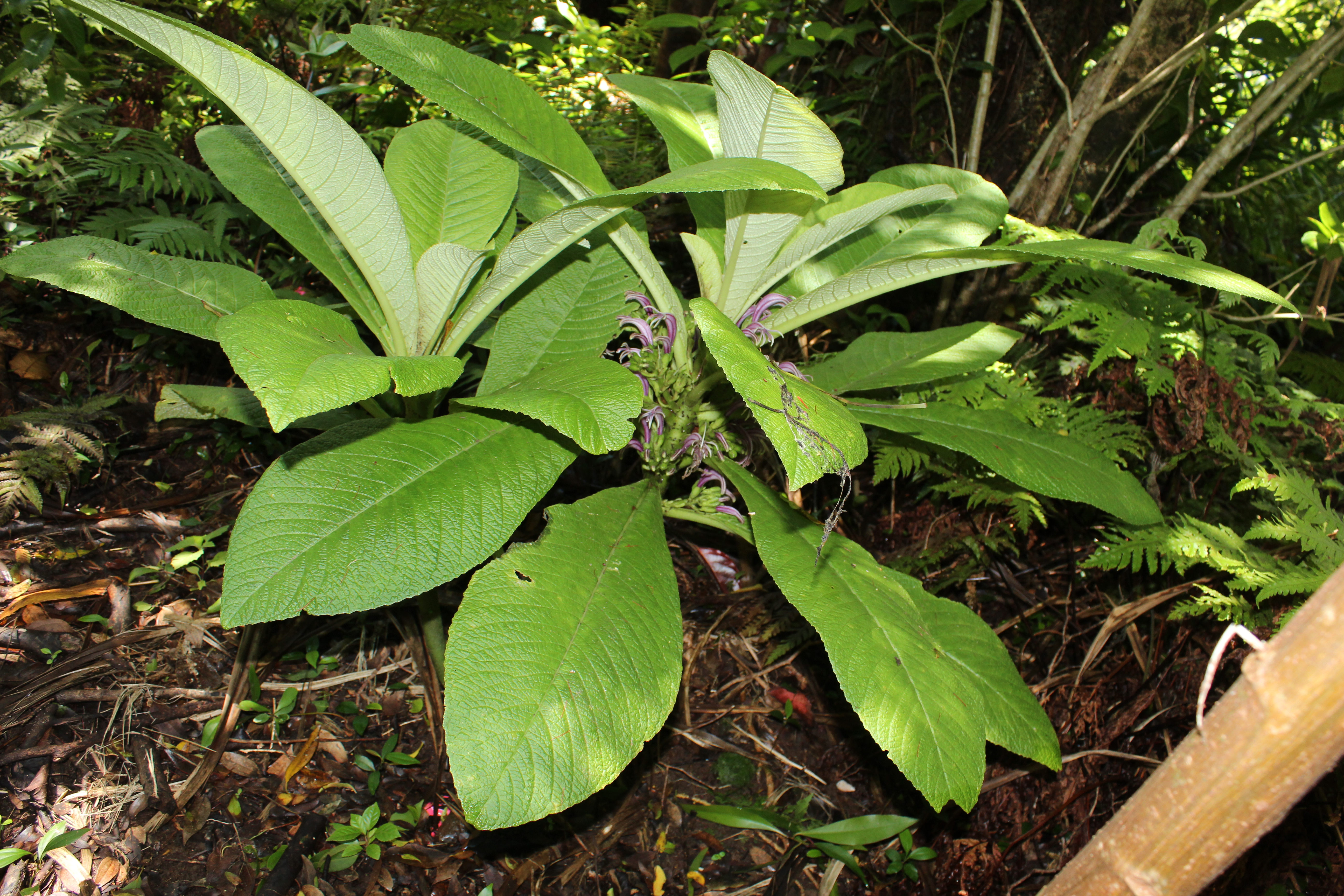
Delissea rhytidosperma (cultivated)

  • Conservation Status: Endangered
  • Distribution: Kaua’i
  • Date photographed: 1/3/2012
  • Ease of viewing: Cultivated
  • *Identification: Form– Shrub, 0.5-2.5 m tall. Leaves– 8-19 cm long, 2.0-5.5 cm wide; oblanceolate, elliptic, or narrowly elliptic; margins serrulate or crenulate Flower– calyx lobes 0.5-1.0 mm long, 0.5-0.7 mm wide, glabrous; 14-24 mm long
  • Phylogenetic comments: Delissea was provincially split into two groups: plants with small greenish-white flowers were placed in the sect. delissea. D. rhytidosperma was part of this group but recent work (Lammers, 2005) has placed it into a newly erected sect. rhytidospermae. Several species were known, but D. rhytidosperma is the only one to be currently extant. 2022 update — New genetic work seems to show that D. rhytidosperma and D. kauaiensis form a clade sister to the remaining Delissea spp.
  • My notes: This highly endangered plant is known from a few wild plants in mesic forest on Kaua’i. Luckily, it does well in cultivation. Delissea rhytidosperma is one of the most commonly available lobeliads to the average gardener here in Hawai’i.
  • Links: Delissea rhytidosperma SGCN (pdf), Smithsonian Flora of the Hawaiian Islands, UH Botany, Native Hawaiian Plants- Delissea
  • Refs: Lammers, T. G. (2005). Revision of Delissea (Campanulaceae-Lobelioideae).Systematic Botany Monographs, 1-75.

*From Manual of the Flowering Plants of Hawai’i

Posted in Botany | Tagged , | Leave a comment

‘Aka’aka’awa refugium

akaakaawaI was super excited to finally come across this cool native plant. This is the sole native begonia to Hawai’i: ‘Aka’aka’awa (Hillebrandia sandwicensis). I personally like to say it in the same cadence as the name of a certain young mongoose in a certain Rudyard Kipling story. This plant is currently only found on Kaua’i, Maui and Molokai. Hillebrand (for whom the plant is named) recorded it once back in the 1880’s on Mt. Ka’ala on O’ahu.

The genetics (Clement, 2004) seem to show that this plant may have quite the story to tell. For ‘Aka’aka’awa maybe the last of its line, one whose unique evolutionary history may stretch back to just after the extinction of the non-avian dinosaurs. Some advertisers have it wrong. Move over cycads… ‘Aka’aka’awa is the true prehistoric plant of Hawai’i.

Continue reading

Posted in Natural History | Tagged , , | 2 Comments

I didn’t bring a camera on a quick, impromptu trip to Maui, but I just want to say that Hosmer Grove is incredible! Sure, it’s mostly alien eucalyptus and pine trees that were planted, but… wow! What birdlife! Considering on O’ahu we have maybe 2 i’iwi (Vestaria coccinea) left, seeing them in large numbers was awe-inspiring.

Posted on by Sebastian Marquez | 2 Comments

More Southern Koolau Goodies

Olopua


Finally, a proper hiking post. I’d rather not turn this place into just a quarterly report. Anyway, I was able to slip away for an all day hike above Honolulu. And once again, the bounty of the mountains never ceases to amaze me…

Continue reading

Posted in Botany | Tagged , , , | Leave a comment

Snapshot: Wao Ilima

wao ilima

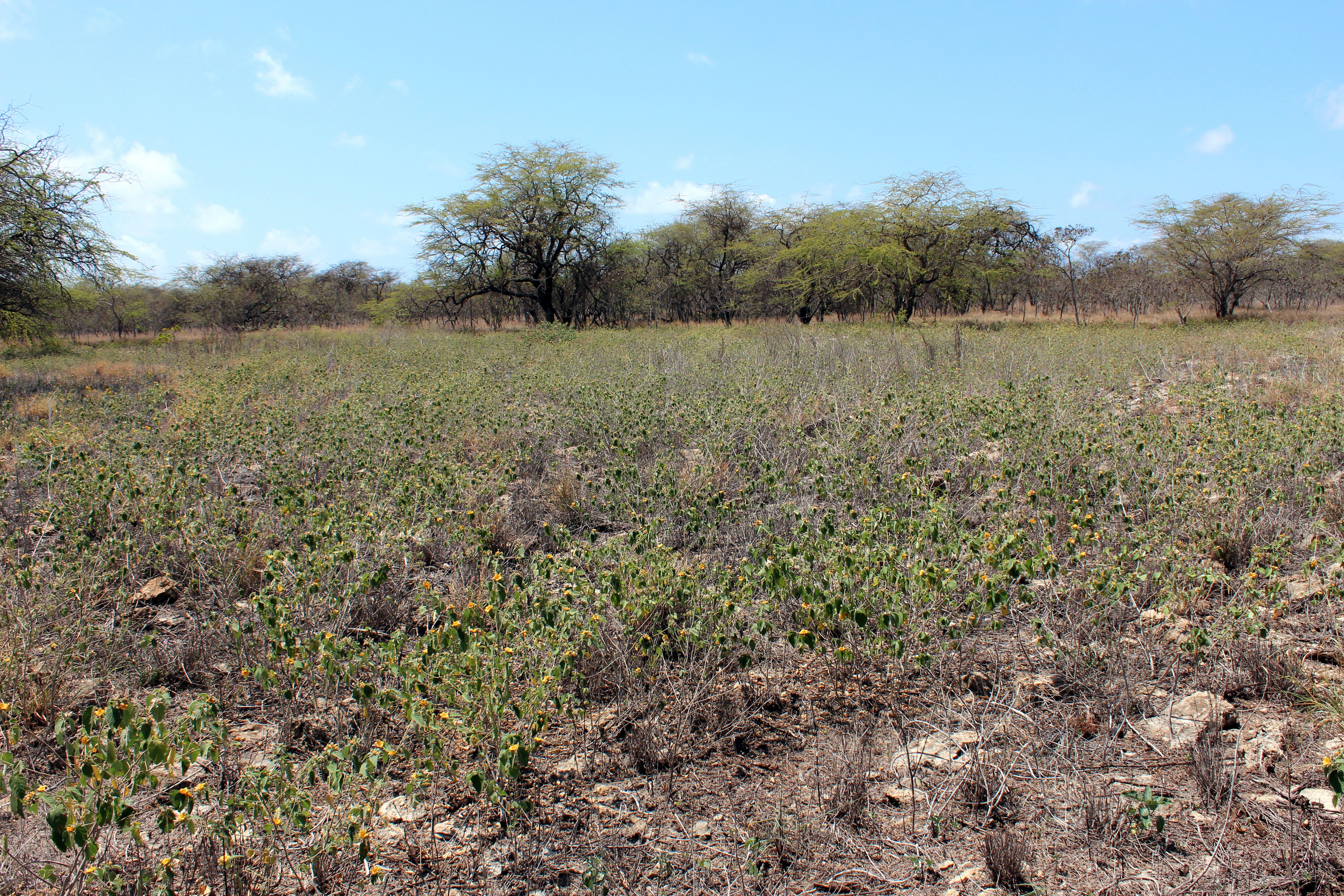
Here in Hawaii, it is said that the upland forest is called the wao akua: the realm of the gods. Few people entered the forests. Where people did live was called the wao kanaka: the realm of man. But I had also heard of the wao ilima: the realm of ilima (Sida fallax). After coming across this open meadow of almost pure ilima I can see why there were places with this name.

Posted in Botany | Tagged , , | Leave a comment

Clermontia of O’ahu


Oha wai lau

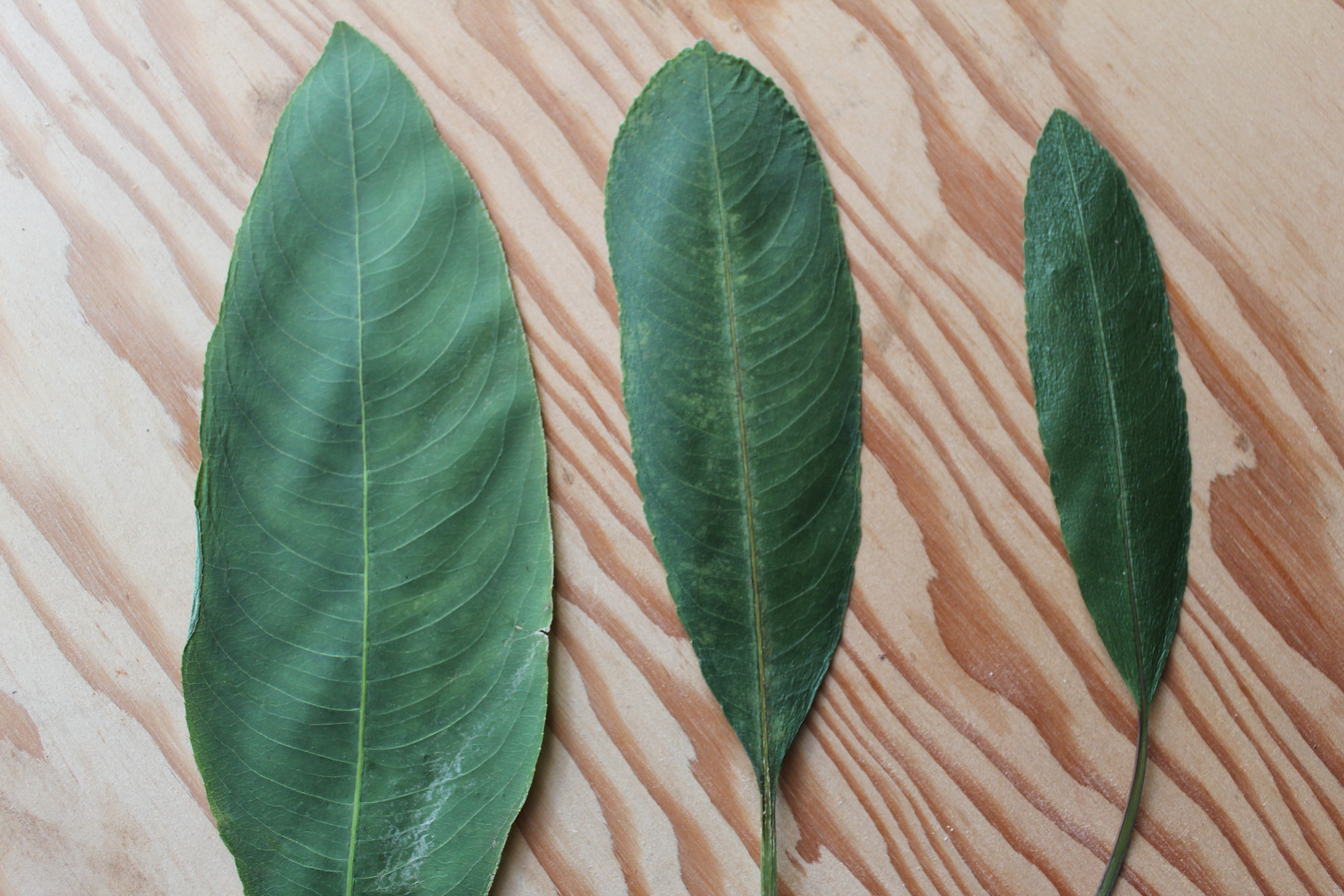
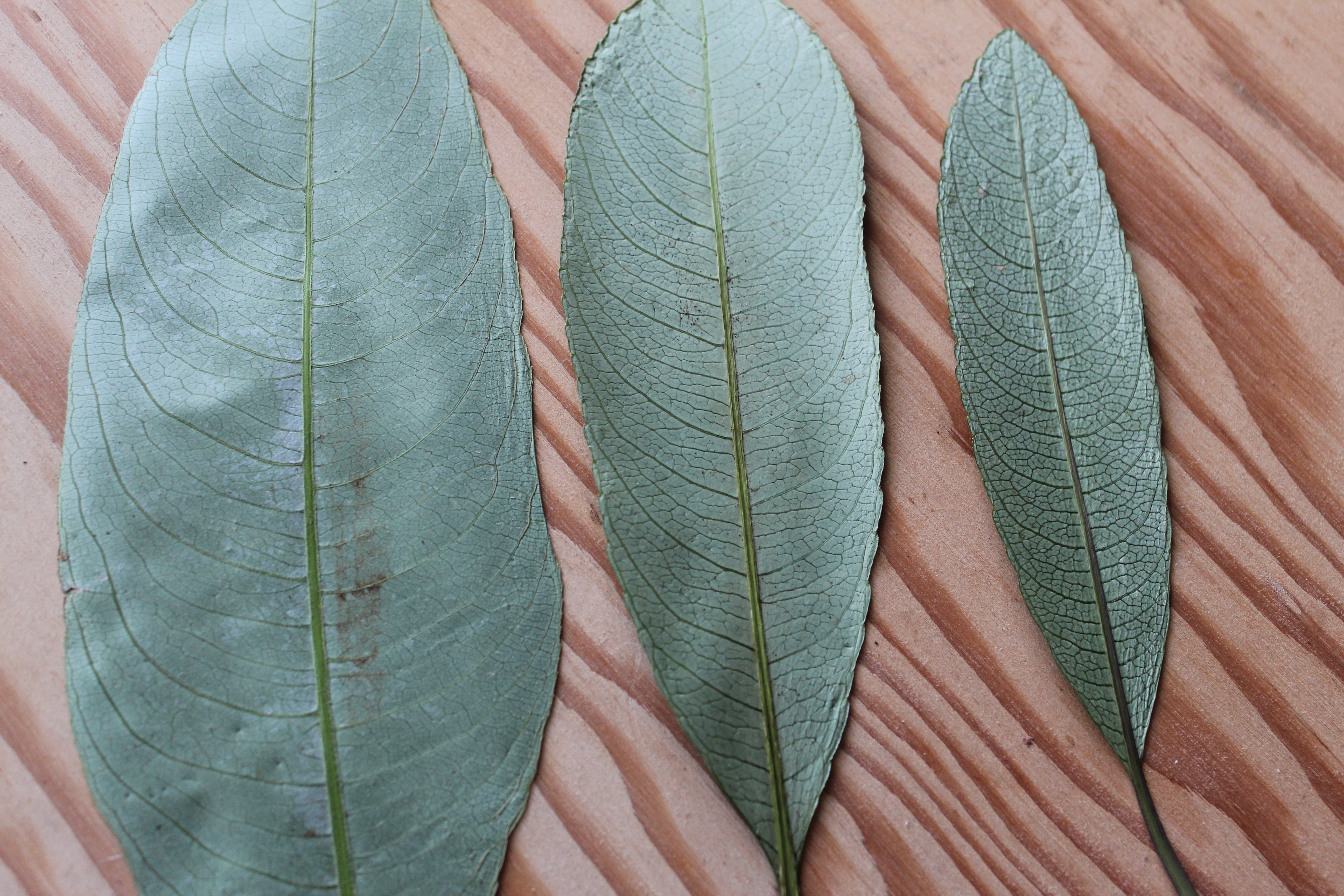
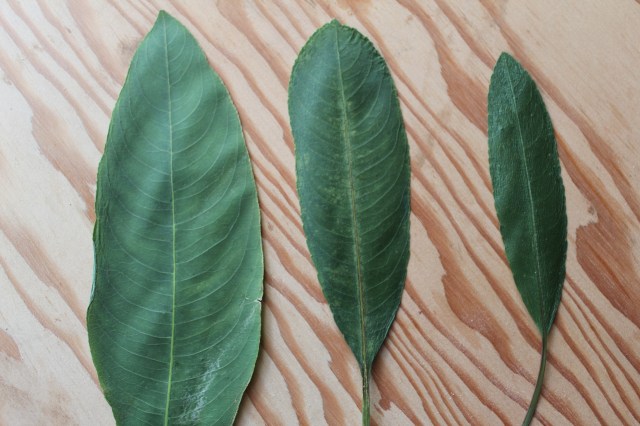
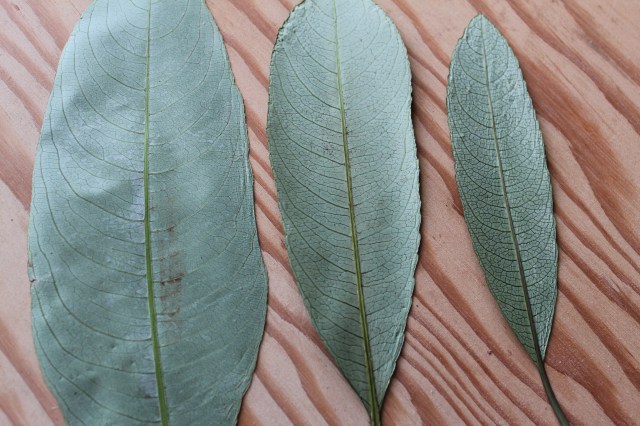
For me, seeing things side by side can really help clarify things. Here are the leaves of the different ‘Oha wai known with certainty from O’ahu. From left to right: Clermontia kakeana, Clermontia oblongifolia and Clermontia perscifolia. The leaves are all from plants roughly about a year and a half in age.

Immediately appreciably is the greater size of C. kakeana. But as we look closer, other differences become more apparent. C. persicifolia is a much deeper shade of green. On the live plant, the leaves are much glossier too.

C. persicifolia lau


Looking at C. persicifolia, we can see that the venations is reticulated and also impressed giving the upper leaf surface much more texture.
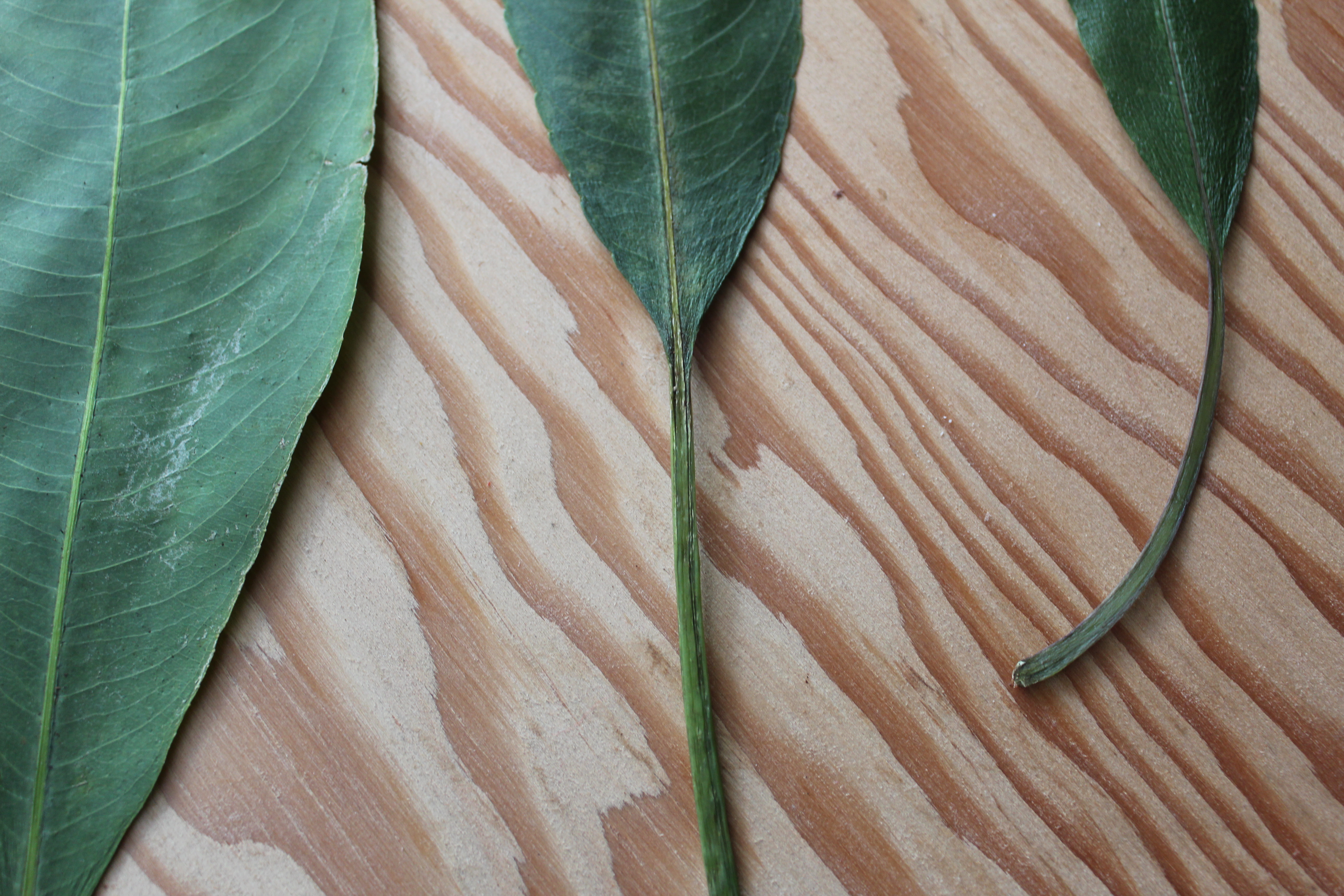
Clermontia petioles


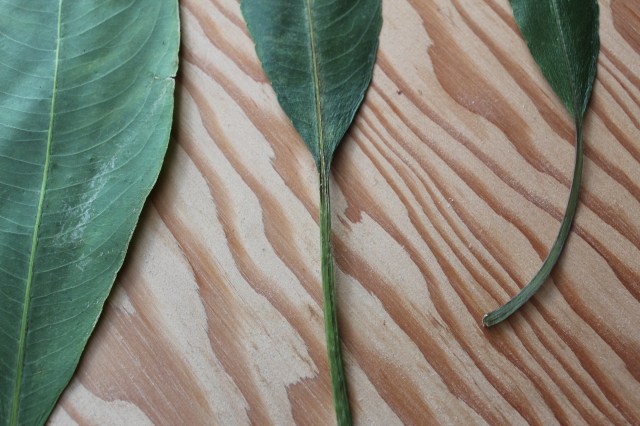
For the Clermontia oblongifolia population on Pu’u ‘Ohia, the petioles tend to be much longer than the other 2 species. In this population, perhaps because of this, C. oblongifolia leaves tend to be much droopier.
IMG_1160


The abaxial surfaces are interesting as well. Again on C. persicifolia, the venation is much more conspicuous. What we can’t see from this picture (Still working on purchasing a macro lens) is that underside of C. kakeana leaves are quite hairy. The other 2 are much more glabrous.

And of course, most traits in nature are on a gradient. I’m sure you’ll run into an ‘oha wai on the trails that doesn’t quite fit these basic keys. Still I hope this helps with id’ing these awesome members of the forests of O’ahu.

 

Posted in Botany | Tagged , , | Leave a comment

Top 10 Sites and Sights seen on the Trails

The new year is always a good time for reflection. I have realized how much I’ve been hiking over the past few years. And I’ve been blessed to see really cool things on these excursions. Bottom line, even with close to 1 million people, O’ahu is not some lost cause… it still has great natural sites and sights. So to highlight that, here is my completely arbitrary top ten native biota seen on the trails of O’ahu. (I’m only including stuff that I’ve seen from fairly well known trails… so anyone can visit them!)

10  SandalwoodIliahi grove -Kaunala Trail

Purely an aesthetic choice. Seeing these large sandalwood with grass underneath, it looked like a shot straight out of a landscaping magazine.

 9  Dwarf OhiaDwarf ‘Ohia -‘Aiea Ridge Terminus

Normally towering trees, this variety is stunted. They look more like an awesome ground cover.

 8 IMG_1419Achatinella mustelina -Wai’anae Kai Trail

Who knew turning over a new leaf could be so much fun?

 7  IMG_1801Manu-O-Ku -Honolulu!

Perhaps these birds just like late night Korean BBQ. Whatever the case, none of the main islands has as robust population of Manu-O-Ku than those in and around Honolulu.

 6 lehua papaLehua Papa -Moanalua Middle Ridge

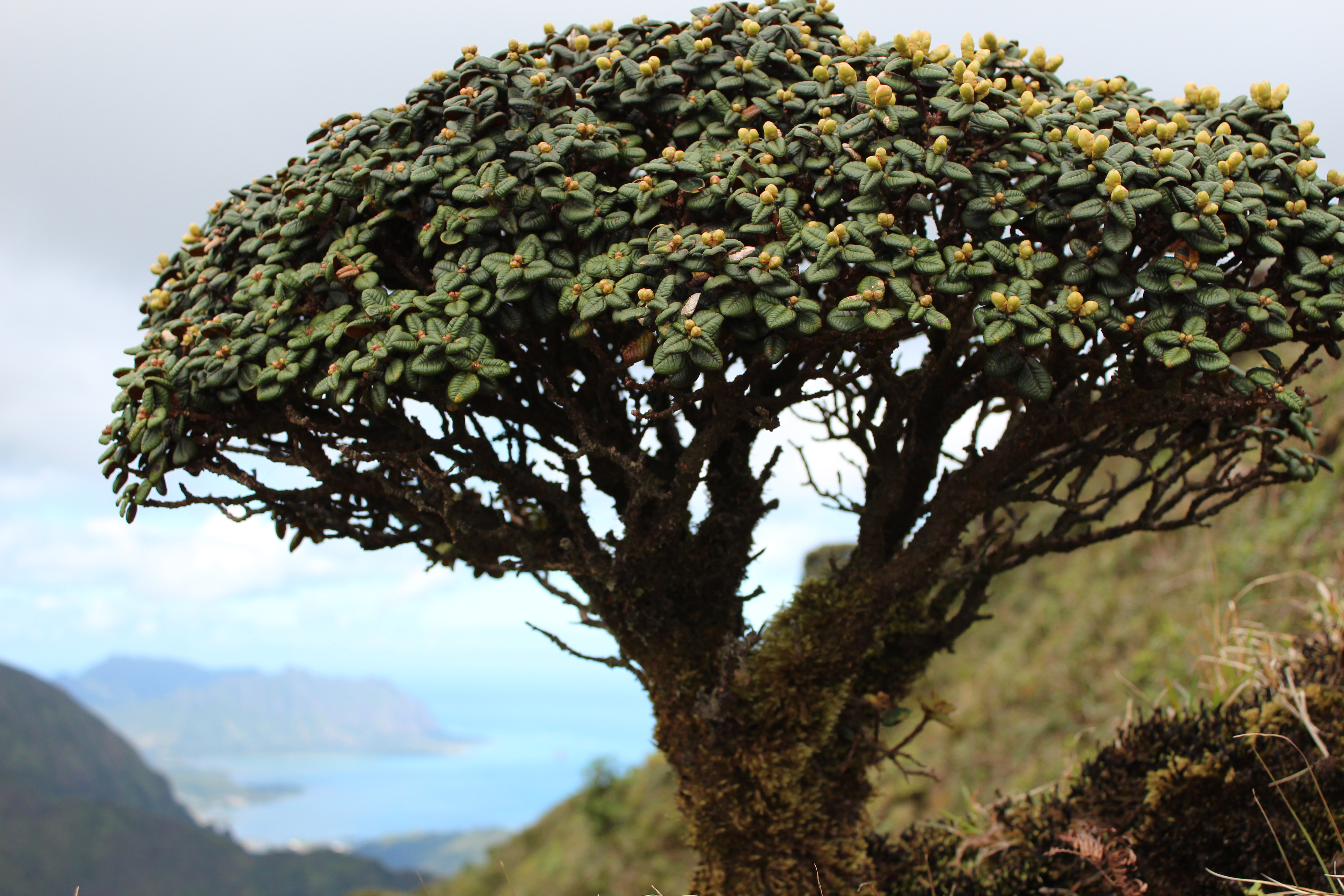
Another aesthetic choice, this Metrosideros rugosa just had such a pretty crown. And such a dramatic setting too.

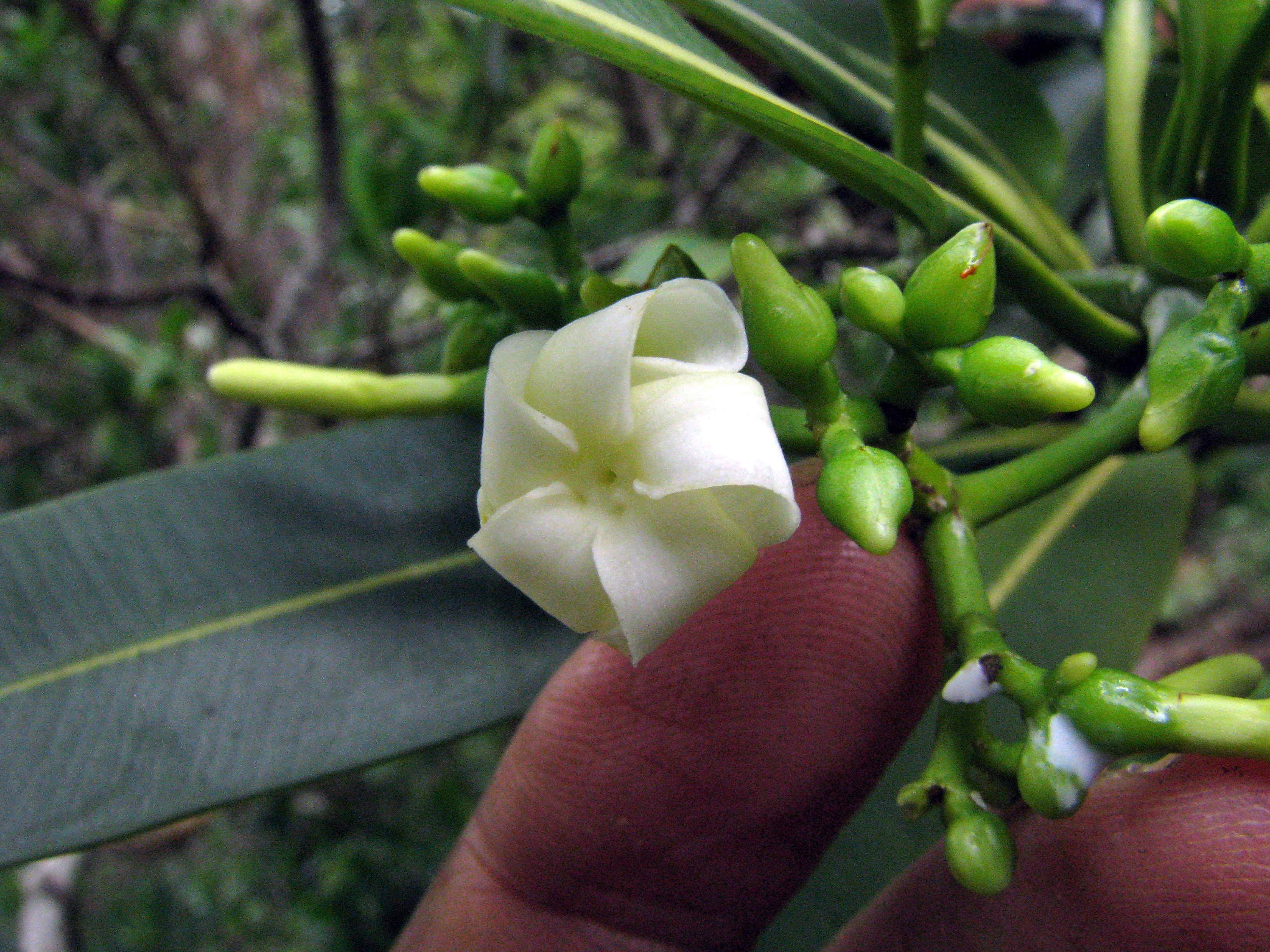
 5 Ochrosia flower Holei -Hawai’i Loa Ridge Trail 

If it were up to me, I’d nominate the Hawai’i Loa Ridge Trail as the best trail to learn about native plants. From dry shrublands to mesic forest to wet summit, this trail has it all. And it has large individuals of fairly rare plants too.

 4 Cyanea superba (1) Cyanea superba exclosure -Mokule’ia Trail

Visiting one of the most spectacular of the Hawai’i lobeliads is a treat onto itself. But the exclosure also has the neat arborescent Euphorbia herbstii… marvelous!

 3 Clermontia kakeana Clermontia kakeana – Manoa Cliff Trail

So yes, disclaimer, I am part of the group that works on the restoration efforts at the Manoa Cliff Trail. Perhaps I’m tooting my own horn. Still, I’m willing to bet you’ll be hard-pressed to find this majestic plant on any Ko’olau trail.


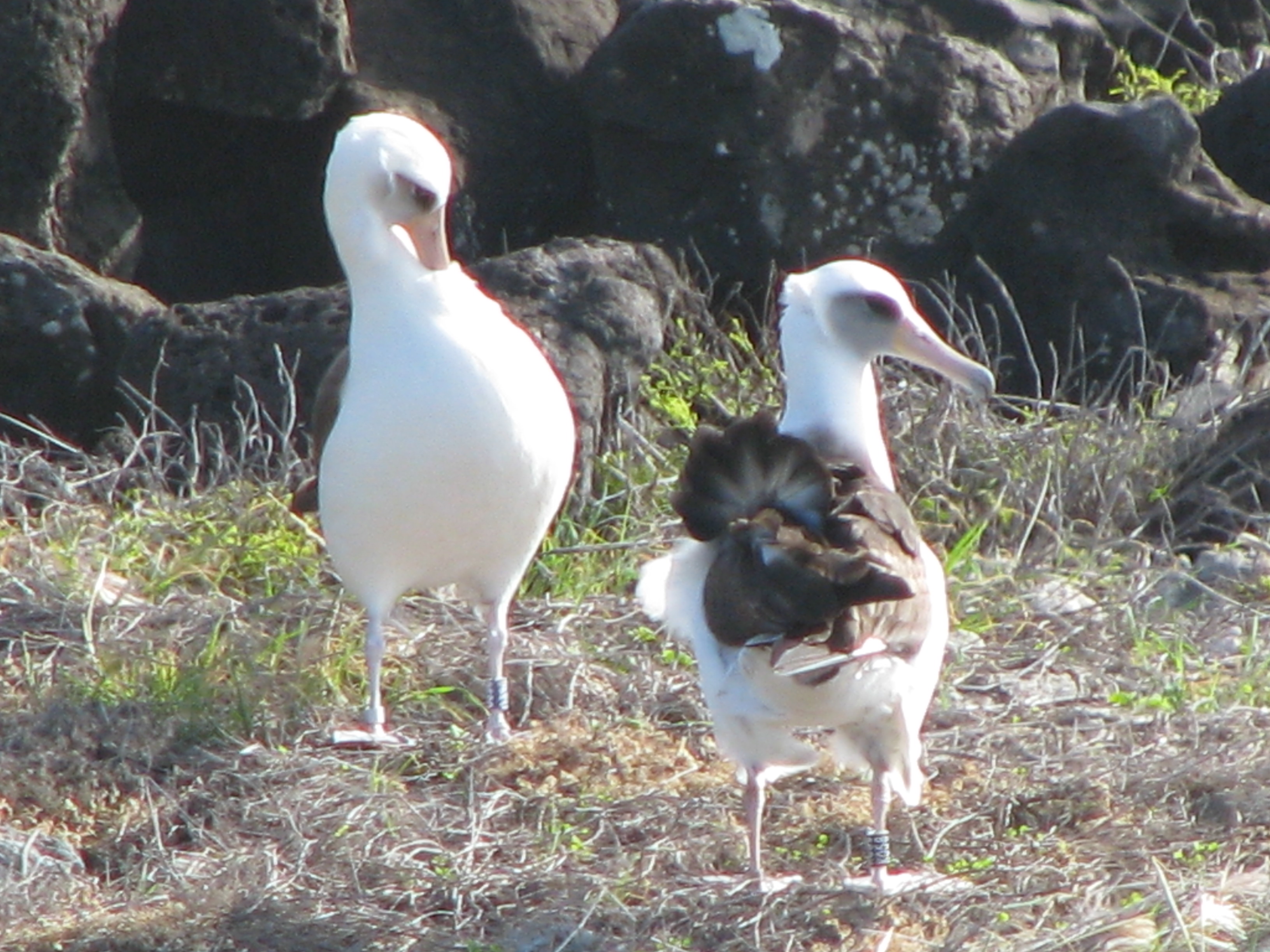
 2 IMG_0890Laysan Albatross -Ka’ena Point

Albatross are some of the most beautiful of volant birds. Some of the most  energy efficient too!

 1  ‘Elepaio -Wiliwilinui Trail

So I don’t have a photo of this but I was impressed. On the way back from hiking the Wiliwilinui Trail, we came across a pair of ‘Elepaio. At the trailhead! These birds were literally feet from people’s backyards! ‘Elepaio on O’ahu are still in a precarious state, but encounters like these show the possibilities of a rosier future.

Posted in Nature | Tagged , | Leave a comment

Snapshot: Giant golden-crowned flying fox

Flying fox

Ang laki itong paniki! Although, I guess I can’t say for certain if this is the local name for the Giant golden-crowned flying fox (Acerodon jubatus). Where my parents are from, paniki just means bat.

Anywho, I just wanted to highlight another of the great living treasures of the Philippines that I was able to take pictures of. A. jubatus is widely reported to be the largest of the Flying Foxes. But there are several other contenders. In fact, this species tends to form colonial roosts with another big fruit bat, the obviously named Large flying fox (Pteropus vampyrus).

Like many things in the Philippines, both bats have been subject to overhunting and habitat destruction. It would be a shame to lose such pretty members of the Philippine fauna.

*I didn’t notice until after I took the picture, but it seems that there are a couple spiders on the bat. It seemed unperturbed; I guess it’s not arachanophobic.

Links-

Dietary habits of two threaten co-roosting flying foxes (Megachioptera), Subic Bay, Philippines (pdf)

Posted in Animals | Tagged , , , | 2 Comments

Snapshot: The Reconquista

Mamaki


What does the Spanish reconquering of the Iberian Peninsula have to do with theBus #65? To those of you that follow my blog, you’ll notice that I have a predilection for ending my posts on a positive, hopeful note. The challenges to reforesting Hawai’i with native plants are as grand as they are many. Whilst my hopefulness may seem like wishful thinking, I give you exhibit A. What are those large leafed plants growing vigorously on the roadcut above the Pali Hwy?

Mamaki 2


It’s Mamaki (Pipturus albidus). By the hairpin turn, below the run-a-way truck ramp there was a washout or landslide a few years back. But instead of invasive weeds coming up, a whole lot of native urticaceae have muscled their way in. That native flora once deemed “doomed to extinction” are dominating a random roadside is my battlecry. It is even more remarkable that it is on one of the busiest thoroughfares on O’ahu.

So is this the biotic version of the Battle of Covadonga? Has the tide turned? I’d like to think that happened long ago. Still, non-native plants have so thoroughly invaded the lowlands that you can go about your normal life in Honolulu and not notice a native plant. But this is the reason I can looked at the highly altered urban environment and see nothing but potential. Native plants not only winning… they are routing their enemies. So next time you are driving over the Pali Hwy, look out your window and cheer them on. Native plants of Hawai’i…take back your homeland!

Posted in Sharing the planet | Tagged , , | 2 Comments

The mighty, mighty strand flora

IMG_1093

If the native plants of Hawai’i are thought to be weak, defenseless plants that are helpless in the face of invasive onslaught… the plants of the strand community did not get that memo. Many beach areas in the islands still have plant communities where the natives hold sway. Like the party pooper I am, I stole away from a beach bbq to check out the flora of this healthy, vibrant community.

Continue reading

Posted in Botany | Tagged , | Leave a comment