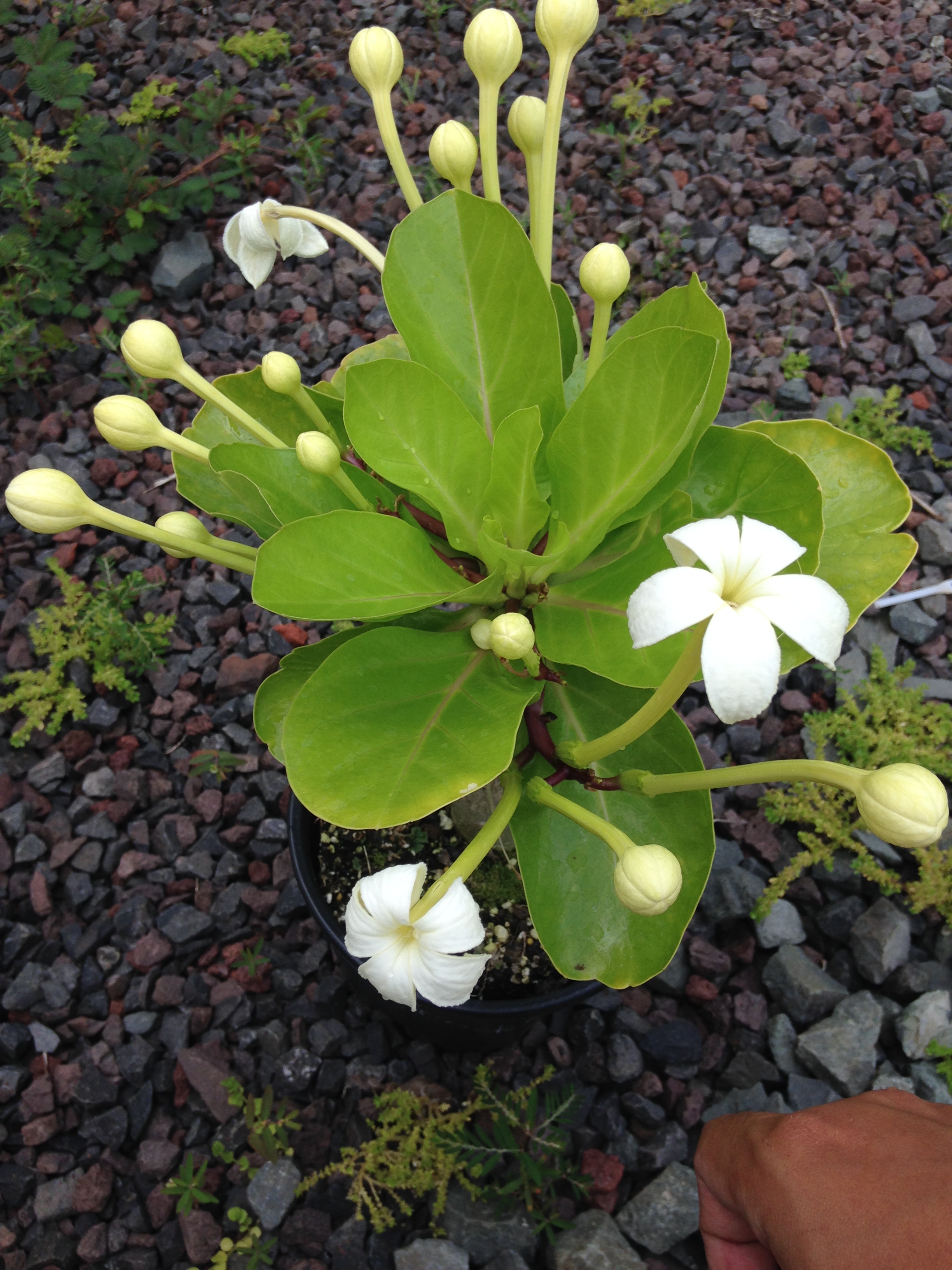
Identification: : Form– Unbranched stem succulents 1-5 m tall stems stout, fleshy Leaves– 6-22 cm long, 5-15 cm wide Flower– calyx lobes oblong to elliptic, 2.5-8 mm long; corolla white, the tube green to yellowish green, 8-13 cm long, 0.2-0.4 mm wide
My notes: It took me long enough to finish off one of the clades of Hawaiian lobeliads. This species seems a bit more finicky in cultivation compared to B. insignis, hopefully with time and better genetics that can change. I sat on these photos of Pua `ala for so long that I forgot when exactly I took them. Some of the most spectacular sea cliffs in the world happen to be this species home range, perhaps one day I’ll get a chance to check it out. Again, I’m at a cross-roads where to take the blog. 10 years ago it was Flickr and Instagram, nowadays it’s the benefits of iNaturalist that is giving me pause. I’ll figure it out. In the meantime enjoy some photos of this gorgeous native plant.
Growing up in Chicago, seabirds were not something that I normally encountered. Here in Hawai`i, we are blessed with a number of species that regularly visit our shores. And this species in particular we on O`ahu are quite proud of.
While quite common elsewhere in the Pacific and especially the northwest Hawaiian islands, Manu-O-Ku (Gyrgis alba) has a uniquely restricted range in the main Hawaiian islands. Their main population is in the urban core of Honolulu. They along with the kolea, are one of the few native species that one will easily come across while visiting O`ahu.
I mentioned them in a post about 15 years ago, and the population has only grown since then. This pair were sitting on a egg for a while on a tree above a sidewalk and I was happy to see that it had recently hatch. Given my work with trying to saving native species and the rather intensive energy needed, seeing the continued success of these little seabirds amongst the urban hustle and bustle with little aid gives me all the more resolve to keep going. Small efforts like planting baby plants and watching baby seabirds thrive.
DLNR has dedicated this year as the year of the community forest. While we have plans to highlight the work we’ve done over the last 20 years, at the end of the day a lot of it boils down to this photo. Quietly adding more native plants to the forest, shifting that trajectory back toward native.
Here, the 2 native Touchardia lineages (T. latifolia, T. glabra) are ready for outplanting. It might not be loud or flashy, but it is the backbone of our work.
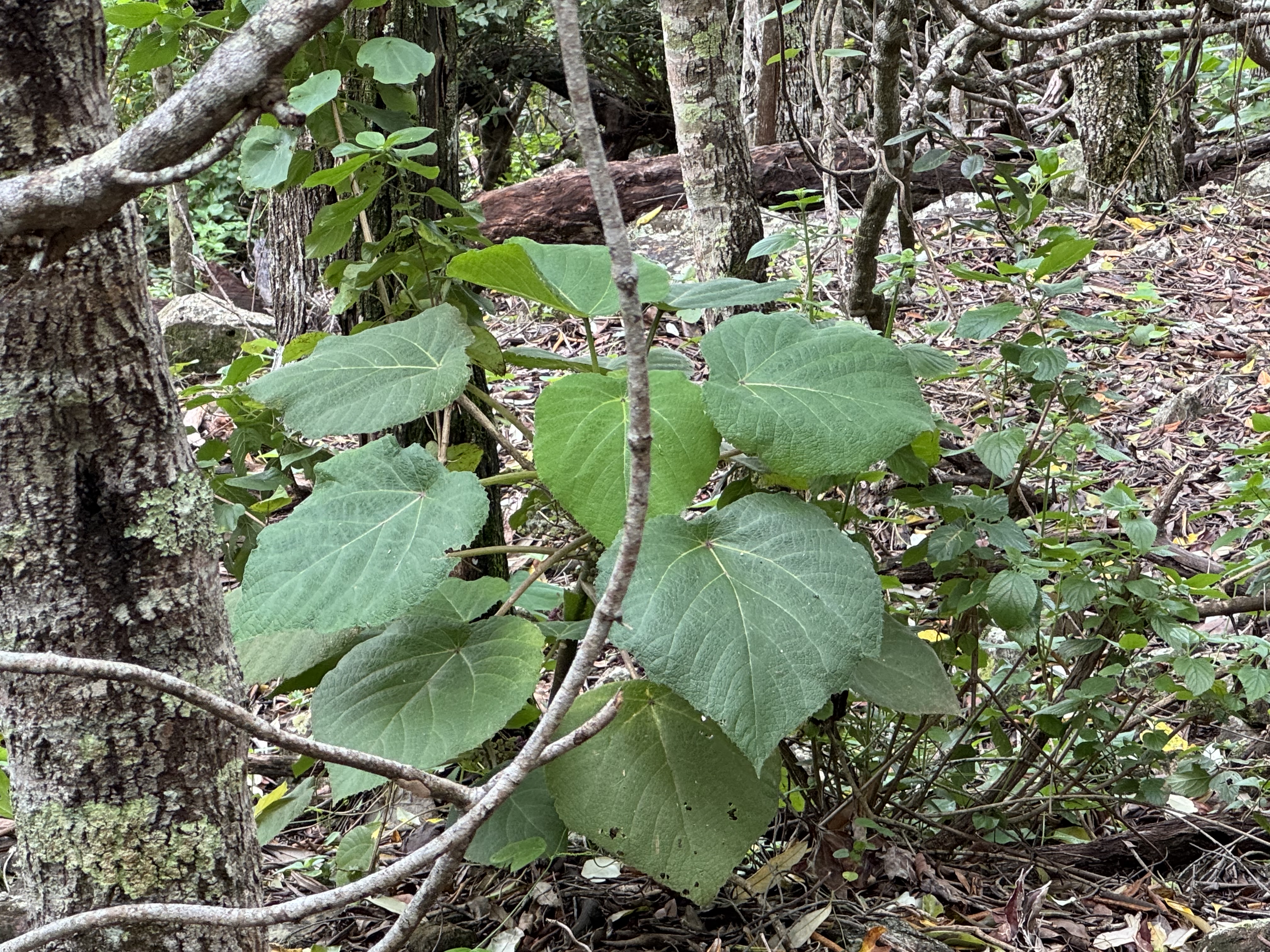
Plant blindness can be quite the challenge for the botanical community. Getting people to care can be a difficult thing: plants for a lot of folks tend to disappear into the background whilst people focus on something else. Some plants do break through the backdrop every now and then. While I was in Australia I figure I would try and look for one of these infamous plants. I didn’t realize that I would also end up with a spectacular image of Hawai`i better than I could have imagine…
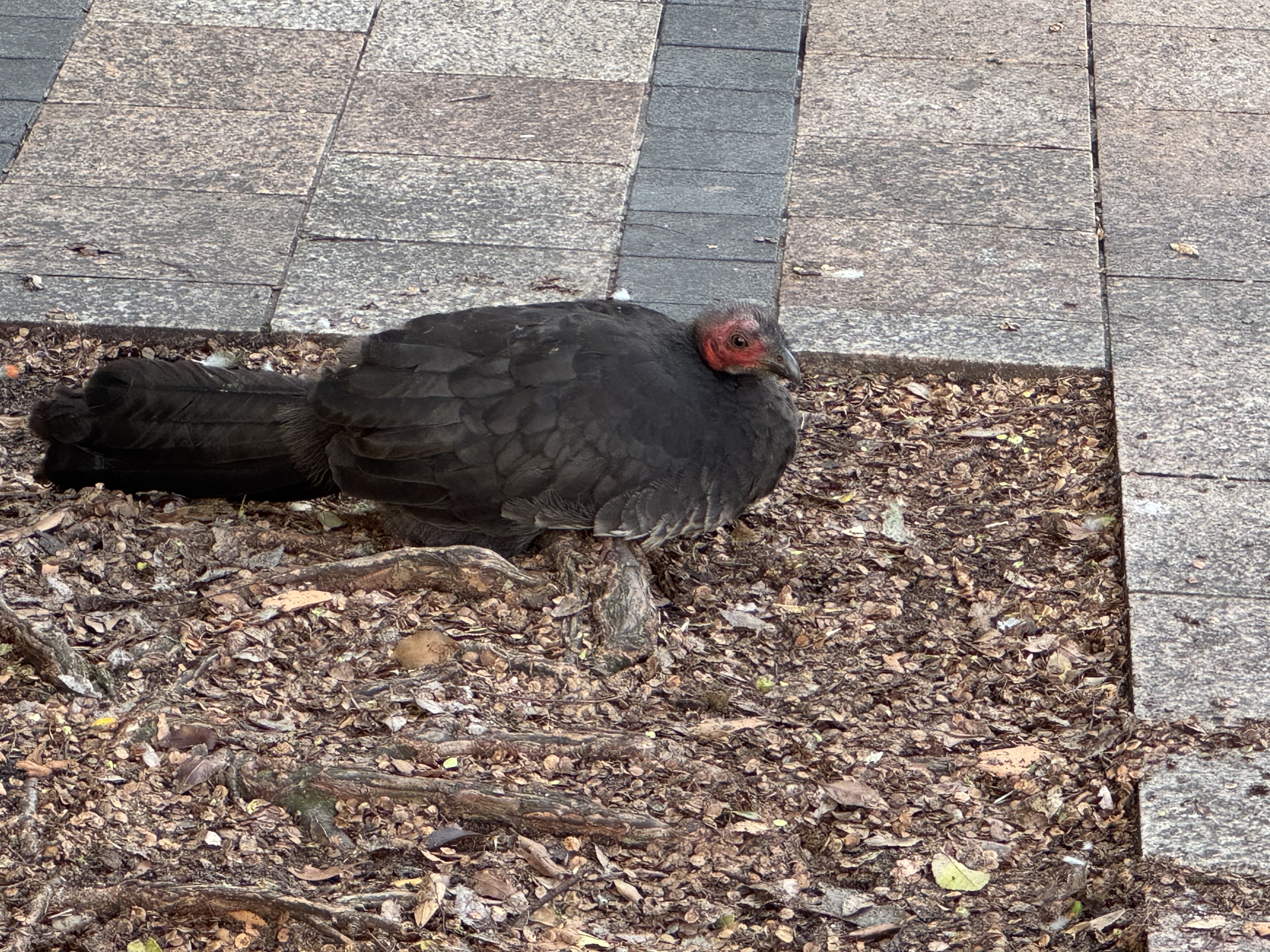
Megapodes are a cool radiation of galliformes centered around Australia and spreading up to the Philippines in the west and into parts of Polynesia in the east. Unfortunately many insular Pacific forms went extinct.
So while during super touristy things around Manly, I was surprised and happy to come across this Australian Brush-Turkey (Alectura lathami) sitting next to a sidewalk.
Now for most Australians, seeing a megapode isn’t a big deal. And for me, that’s also why it’s cool. Seeing your native biota shouldn’t be a big deal. One shouldn’t have to go to a museum or a zoo to interact with native biota. So you’ll have to excuse me when small things like this put a smile on my face.
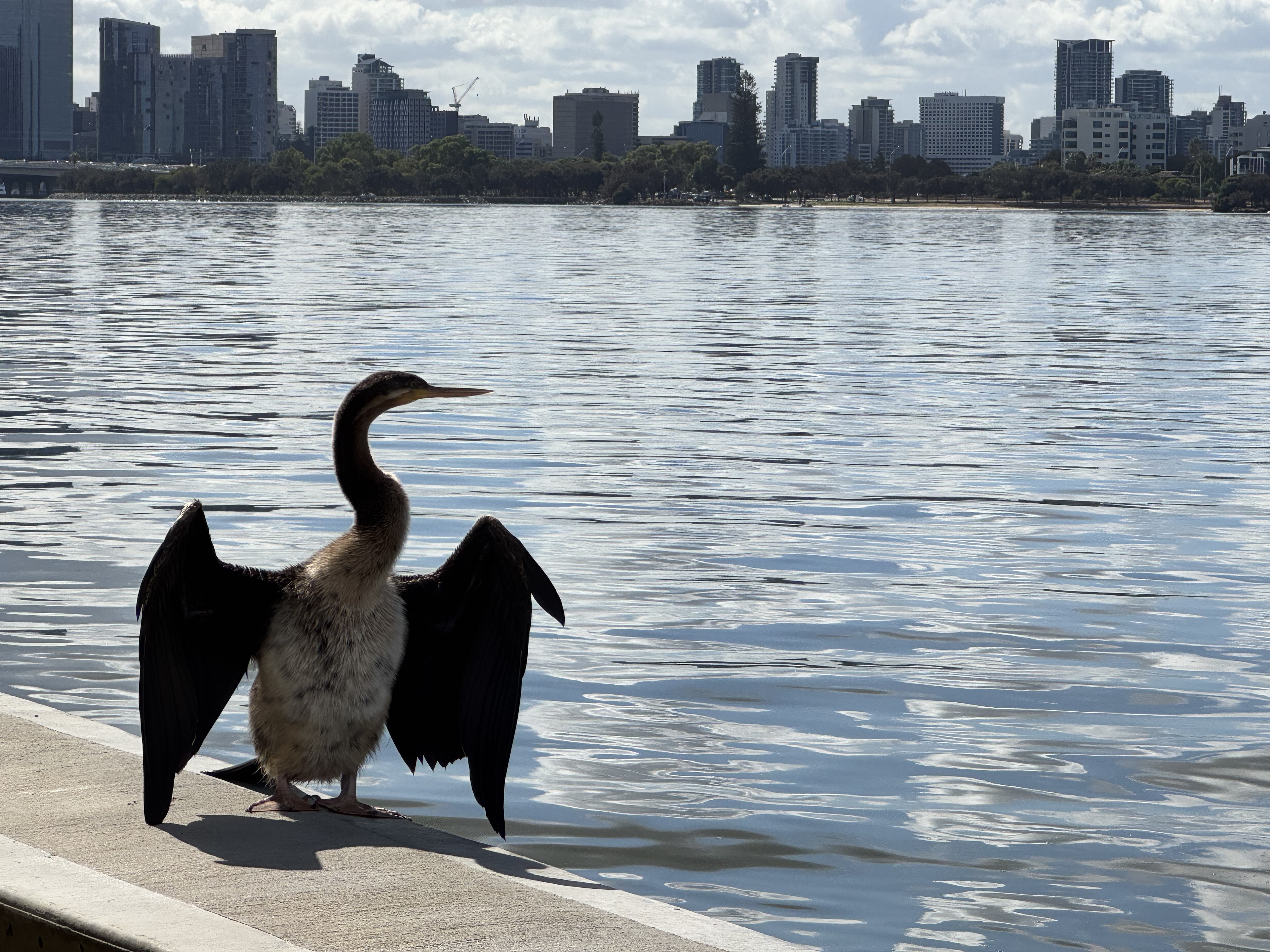
Living in Hawaii gives me a certain immediacy when it comes to native biota. Where I’m from, we have seen so much loss. Traveling lets me appreciate how other places are handling modern challenges for their plants and animals. So while other bloggers and YouTubers might judge a place on its food scene or its urbanism, I like to walk around the urban core and see what native things I see taking advantage of modern aesthetics. A few days ago, my wife and I walked to Kings Park in Perth to see what’s around.
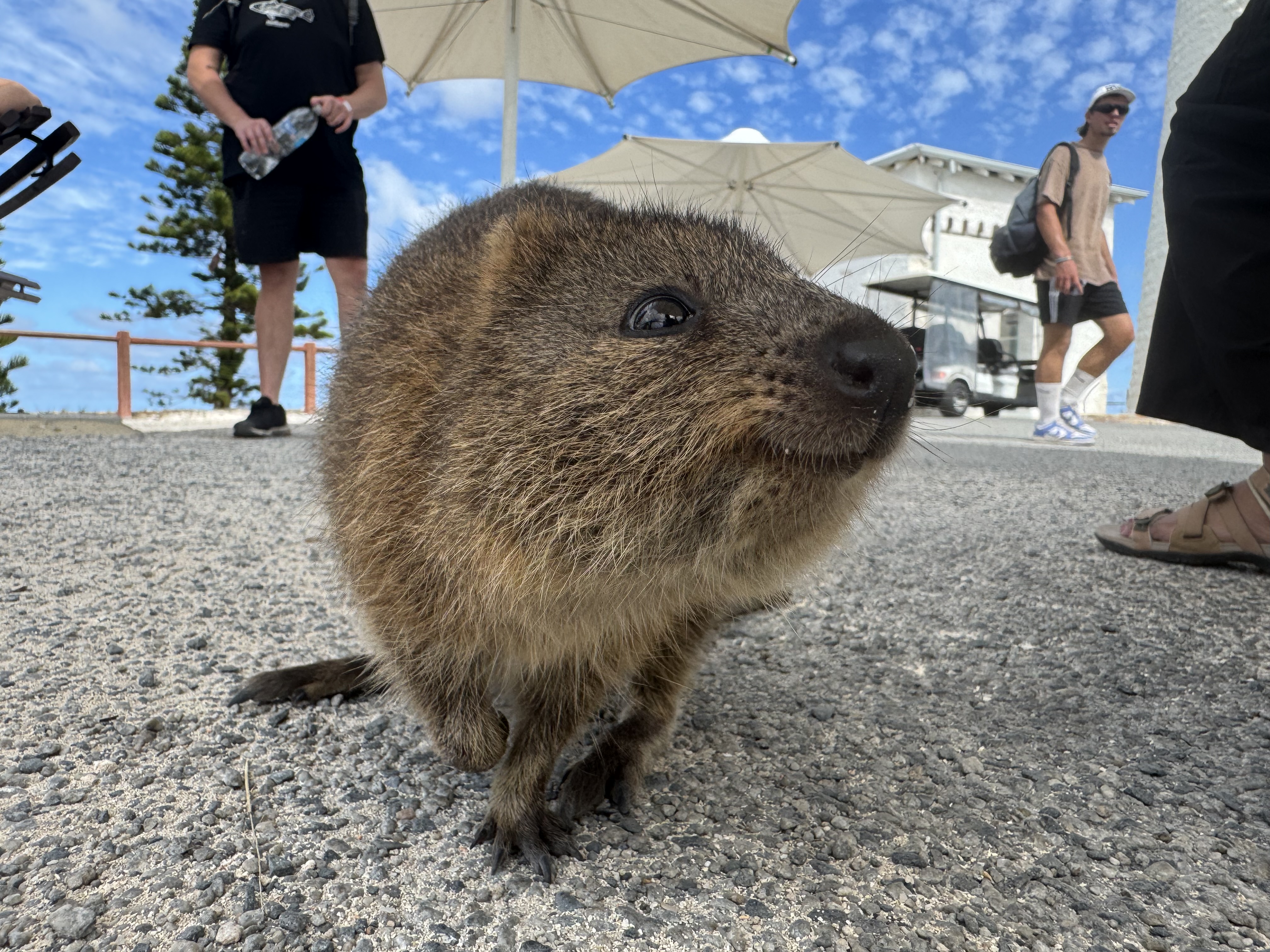
I started this blog 15 years ago with a basic goal in mind: what would the world look like if conservation was a success? How are we interacting with the healthy population of species that are now our next door neighbors? How do we share the planet? There were places that I knew that were examples of this. Back in 2006, I was able to visit one of those places: Puerto Ayora on Santa Cruz in the Galápagos Islands. Now, almost 20 years later, I was finally able to visit another one of those spots. On Monday, I took the ferry to Rottnest Island of the coast off Perth, Australia.
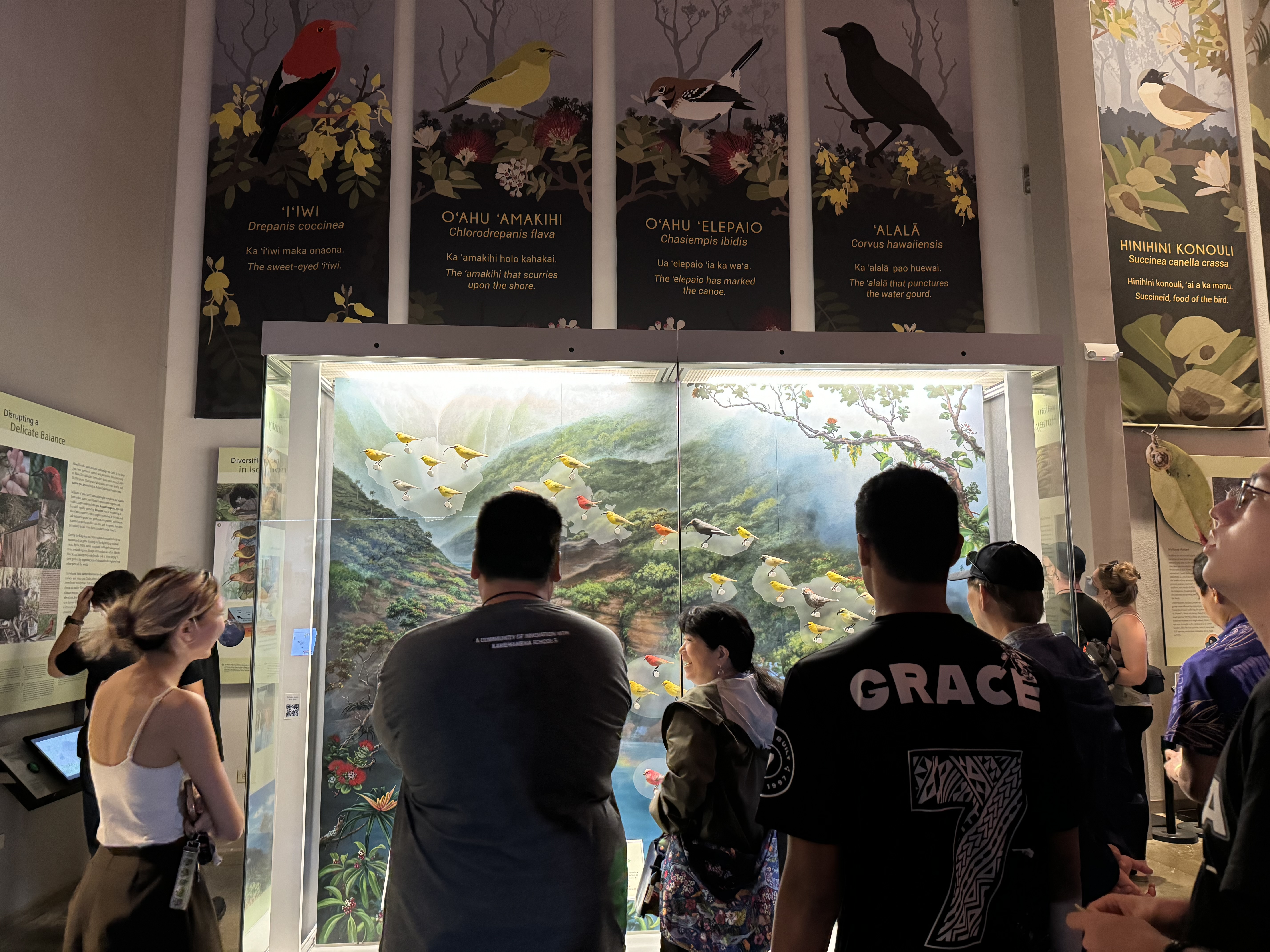
The last time I talked about Bishop Museum on this blog was that in-between phase where I wasn’t really posting often. At the time, they had put on display a rare specimen of kioea and I had commented on how it allow folks to emotionally engage with a long extinct member of the Hawaiian avifauna. Well last year, during the year of the forest bird, Bishop Museum once again did a showcase on native Hawaiian birds and it did not disappoint.
I’m still here in the Philippines enjoying my time with friends and family. I did want to highlight another member of the Philippine fauna.
3 lineages of Primates are found in the Philippines. While there’s us humans obviously, there is also a lineage of tarsiers found in the Southern Philippines and a widespread lineage of Unggoy (monkey) found throughout the archipelago.
It doesn’t surprise me that a population of Crab-eating Macaque (Macaca fasiculatus) is found here. Hardy and resilient, macaques throughout the Old World have readily adapted to the human landscape. So much so that they have run into that ole Studia Mirabilium problem and are thought to be pests that need to be controlled. While the challenges of living with these monkeys is there, the potential to show how we can share these spaces cannot be underestimated.
Case in point below. My brother was just hanging out in a spot in Tagaytay, when he noticed a monkey just off the trail. Here’s to a peaceful coexistence with our primate brethren!
Currently back in the motherlands. Was exploring Palawan when we came across a very pleasant surprise. Our tour guide was leading up the short (but muggy!) hike up Mt. Mansilawit outside of El Nido, when she stopped dead in her tracks. A small brightly colored snake was right in the middle of the path. While she was pretty scared of snakes, I had no such reservation (see my why studia mirabilium and Smithsonian post 😁)
But I wasn’t foolish, as this small and exceedingly gorgeous snakes is a Two lined Coral Snake (Calliophis bilineatus) a quite venomous snake endemic to Palawan. I used my umbrella to gently encourage it off the trail.
As you can see in the short video, part of the snake’s defense mechanism is to flip on its back to expose its warning coloration on the ventral scales. And as it slithered away, you can see the brightly colored red tail.
It was the highlight of my day really. I would have thought I would have come across Palawan’s endemic birds more readily. To happen across this gorgeous native snake randomly of a very touristy hike was a special treat.




 Studia Mirabilium