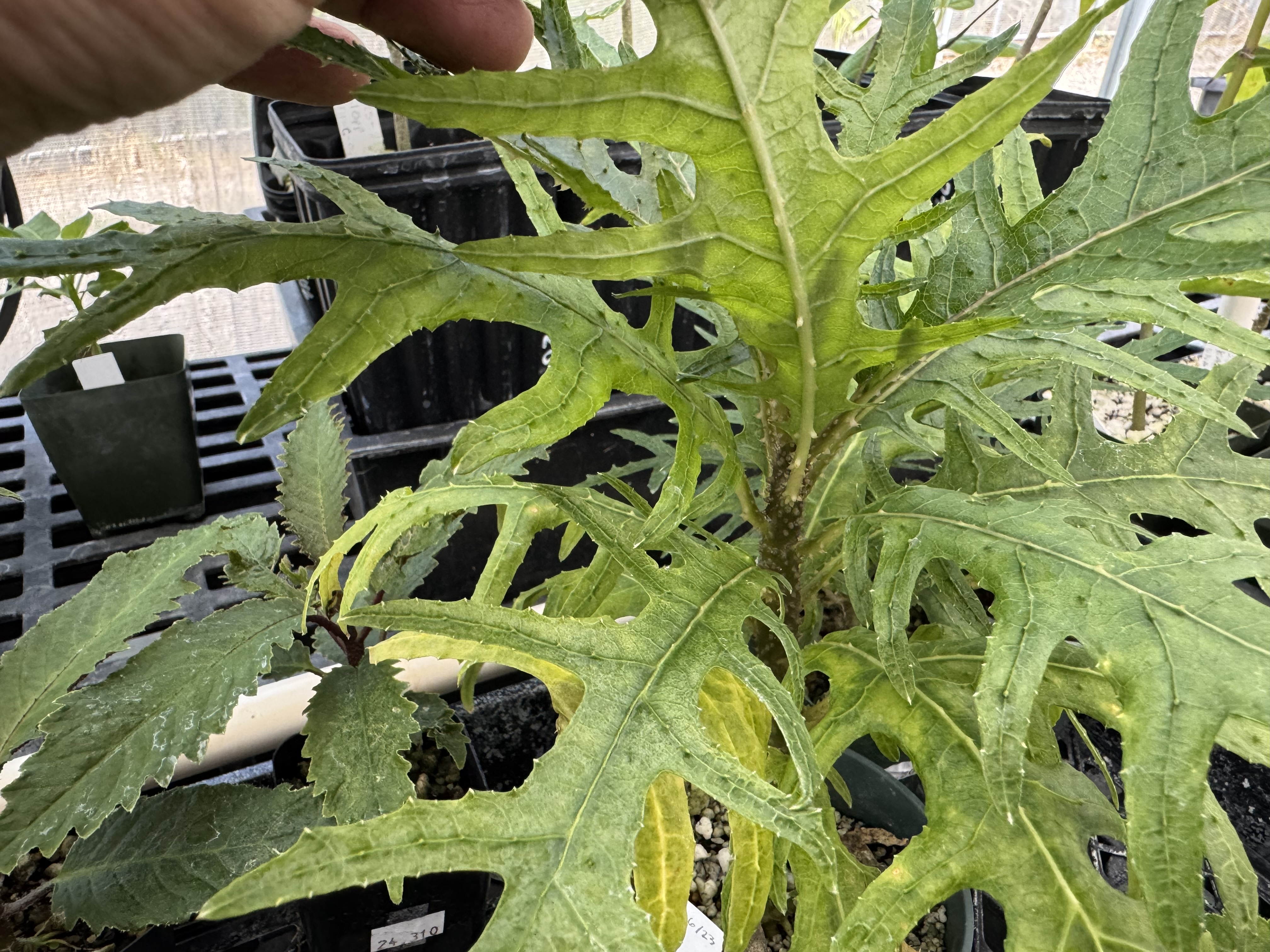
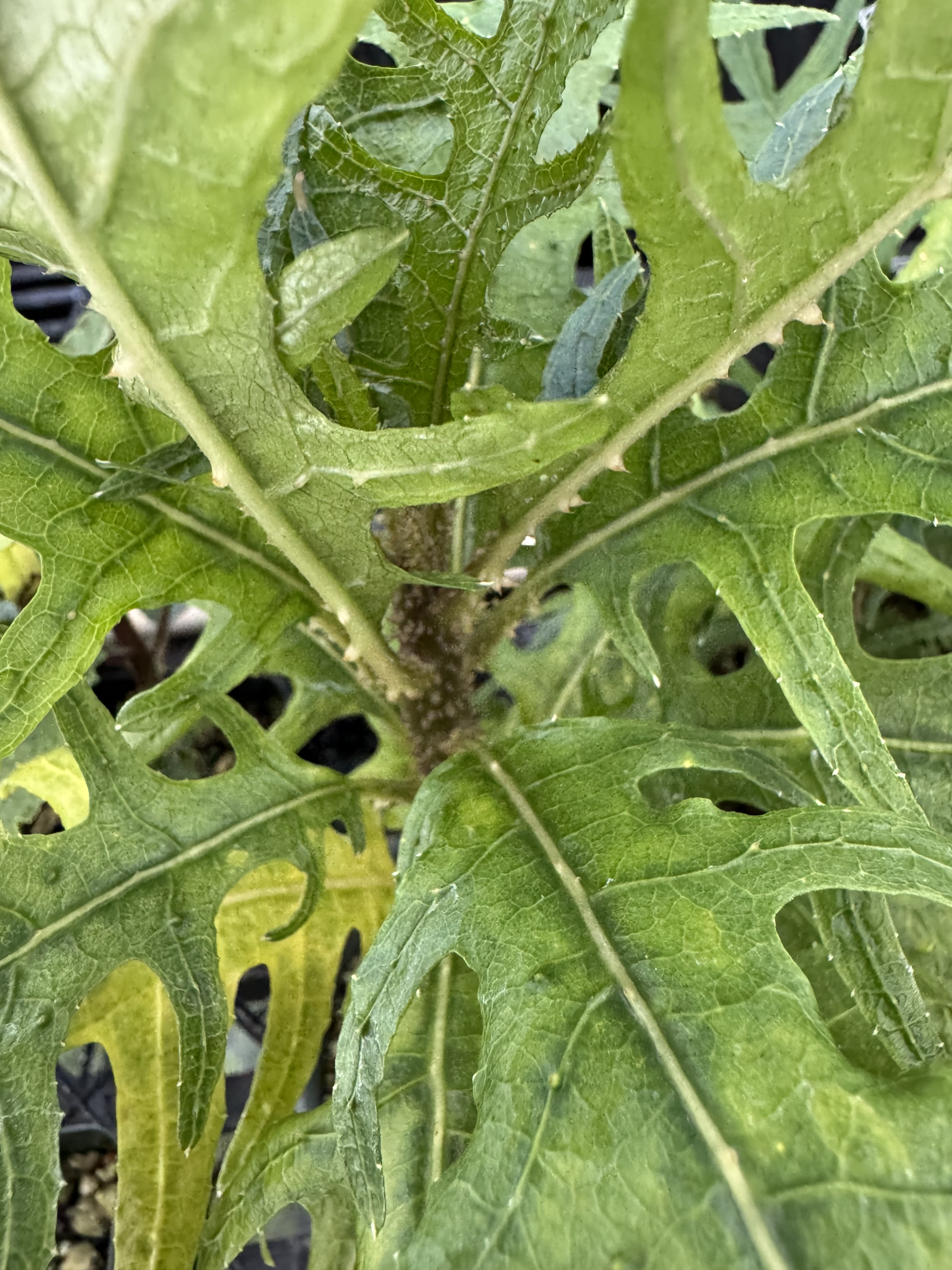
Identification: : Form– Shrubs 0.8-3 m tall; stems unbranched or sparingly branched Leaves– pinnately parted, cut 1/2-1/4 the distance to midrib, blades 25-60 cm long, 3.5-8 cm wide (between the segments), 8-25 cm wide (across the segments) Flower– hypanthium obconical, 10-12 mm long, 6-8 mm wide calyx lobes triangular, 3-5 mm long, 2-2.5 mm wide; corolla greenish white, 36-50 mm long, 4-5 mm wide, sparsely pubescent
Phylogenetic comments:2022 update — There is evidence that Cyanea pinnatifida is one of several O`ahu Cyanea spp of hybrid origin between the Grimesiana clade and the Rollandia clade.
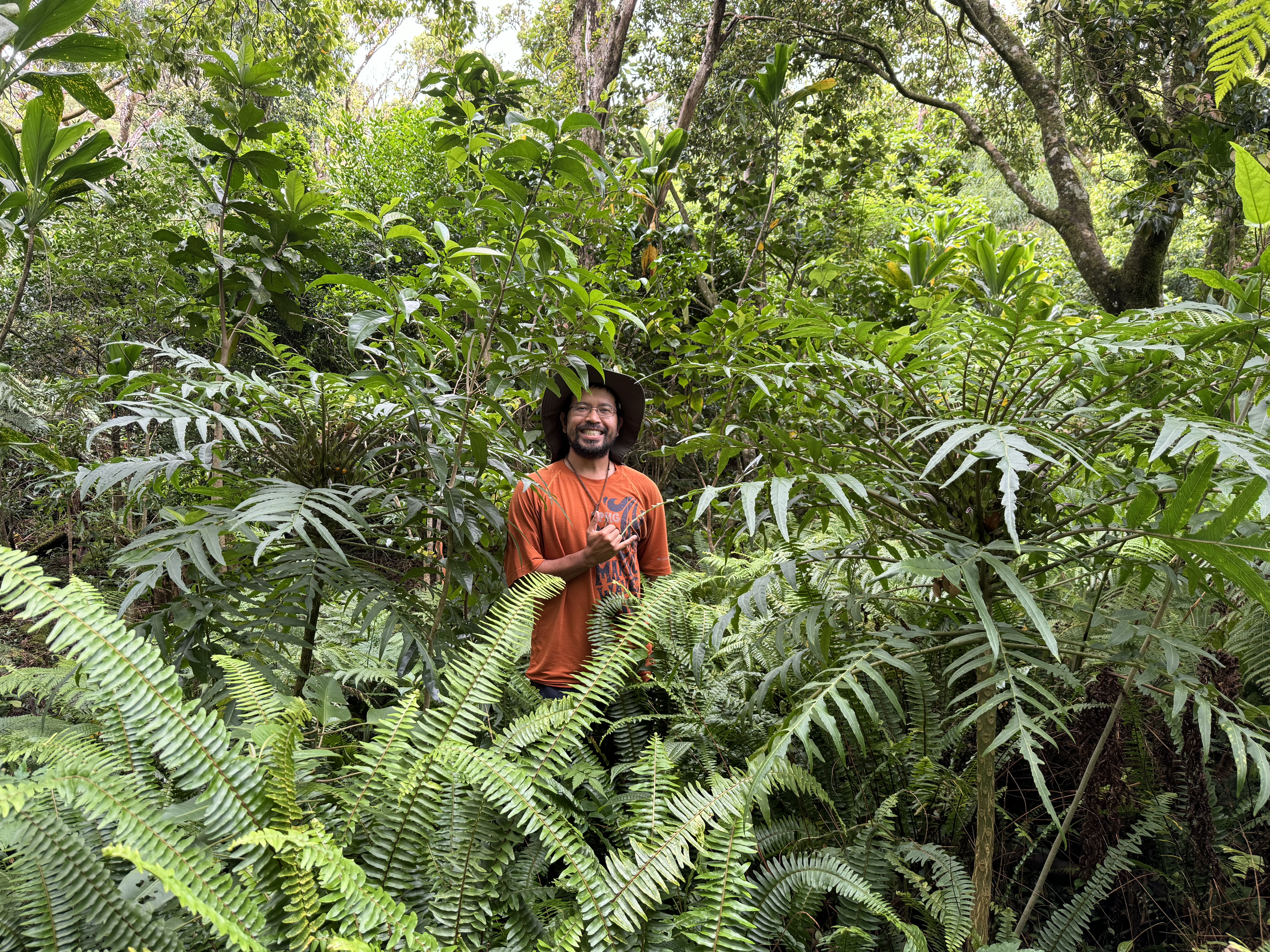
My notes: 44th lobeliad in the series just in time for my 44th birthday. Yes, I’m slow at uploading :p Cyanea pinnatifida has quite the remarkable tale to me. For many years, only one wild individual was known, growing near the bottom of a gulch. What I thought was remarkable was that it seem to have a very specific extinction factor: Just above the plant was a large boulder which threatened to crush it. This boulder was being held up by a decaying tree. If anything captured the plight of Hawaiian flora, this was it. Luckily, folks from various institution were able to do micro-prop from this individual and hundreds of plants have been outplanted in protected habitat.
One of the many plants that I was happy to engage with from my trip to Limahuli last year was this guy: Hau kuahiwi (Hibiscadelphus distans). And I figure now would be a good a time as any to talk about this interesting radiation of native Hawaiian malvaceae. Hau kuahiwi as a whole have suffered greatly from anthropogenic changes but have much potential for restoration to its former glory.
Sometimes there is magic in the air. And while a lot of that comes from one’s own perspective, it is a neat feeling whenever it hits you. On our second trip to Japan, my wife and I checked out the Kobe Animal Kingdom. I wasn’t expecting it, but the visit gave me one of the most hopeful visions for the future.
Here’s another post from our trip to New Zealand in 2019. My wife and I made a point to check out Sanctuary Mountain, the wildlife reserve situated on Maungatautauri, a dormant volcano just outside Hamilton on the North Island. It was awe-inspiring and all together a wonderful experience.
Let’s talk about the plight of 2 Ko`olau endemic taxa who were both on the very brink of extinction but are now on a tenuous path toward recovery. It’s a tale of destruction and despair but also of compassion and hope. This is the story of Achatinella fuscobasis and Cyanea grimesiana ssp. grimesiana.
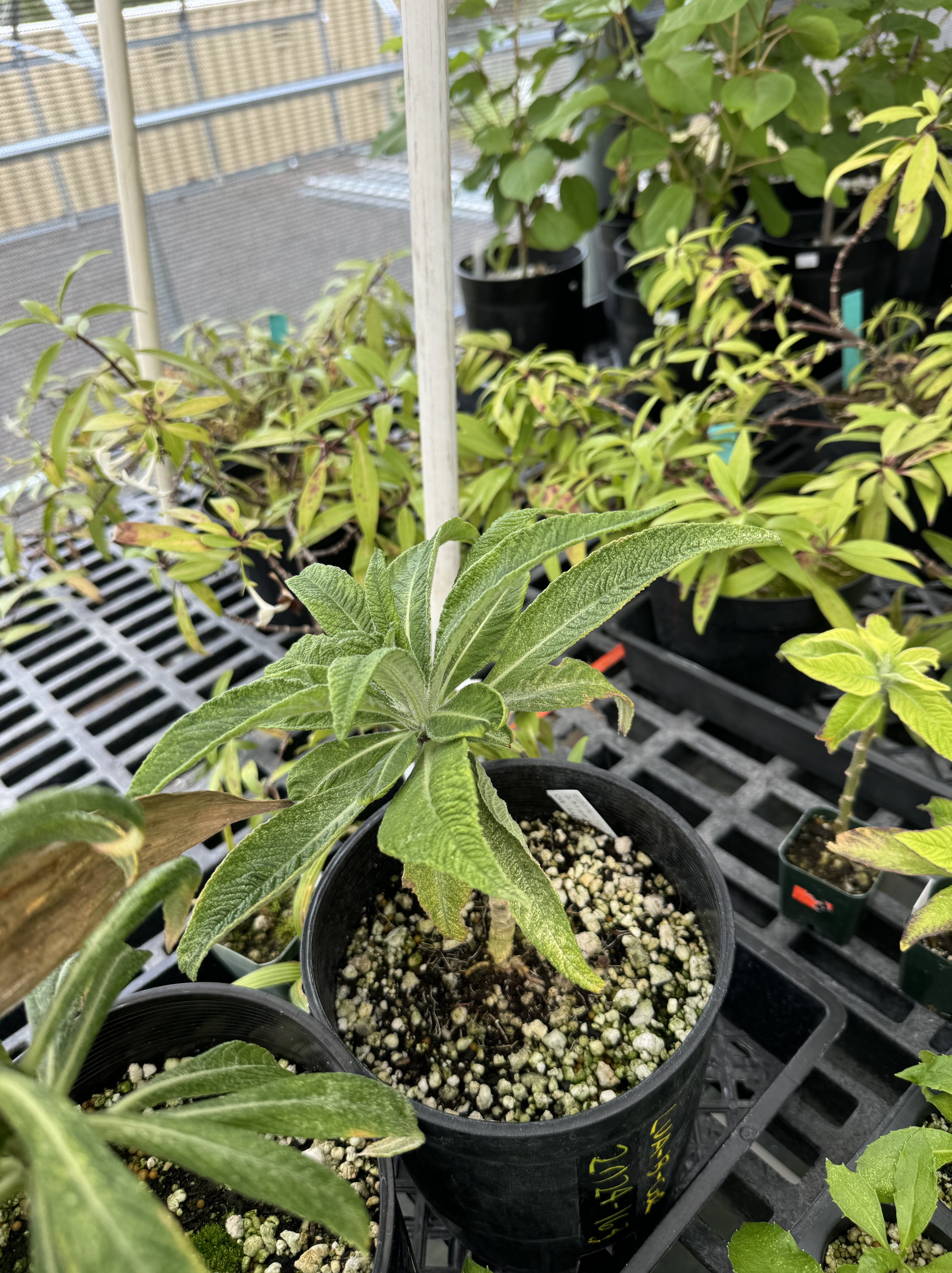
Identification: : Form– Stems woody, erect, 10-30 dm long, with a dense apical rosette of leaves. Leaves– elliptic, 40-60 cm long, 4-6 cm wide, upper surface glabrous, lower surface densely grayish or greenish hirsute. Flower– calyx lobes linear, acute, 12-88 mm long, 2-3 mm wide; corolla pale blue, 42-45 mm long, 4-5 mm wide, pubescent or glabrous, the lobes spirally revolute.
Phylogenetic comments:2022 update — L. oahuensis is sister to the L.grayana- L. dunbariae clade.
My notes: I actually saw this species about 15 years ago now on a summit hike but couldn’t get a good photo at the time. If I recall it might have been the very same hike I took a picture of the very first lobeliad in this series: T. singularis. Anyway, this species not very common and the PEPP program has done a lot of work to help with the preservation of these beautiful endemics of O`ahu. This is the first time that I myself have seen this in flower which helps me differentiate this between L. hypoleauca.
I just got back from a trip to Japan a few days ago and I was pleasantly surprised by the Kobe Animal Kingdom. It deserves a longer post on it’s own but for now I really wanted to highlight one of that taxa that I saw in their collection: the Northern Luzon Giant Cloud Rat (Phoeomys pallidus).
Some of my earliest posts on this blog were of animals I saw during a previous trip to the Philippines. It’s nice to be able to highlight another member of that faunal assemblage.
While the geological history of the formation of the Philippine archipelago is complex, it seems by the Miocene the landmass that became the island of Luzon had formed. Murid rodents, which include the common rats of dumpsters worldwide, made their way to that emergent landmass. This lineage may have arrived in the Philippines roughly 10 mya. Once on that landmass, they evolved into forms not seen elsewhere.
This species is rather large, the individuals here are about the size of a cottontail rabbit. They also seem much slower and deliberate with their movements unlike what we think of rats normally. There are 2 species of Phoeomys cloud rat. The Southern Luzon cloud rat (P. cumingi) is slightly smaller and typically sporting a dark brown pelage. This northern species, has much lighter patches of fur. I’ve seen images of some individuals that look almost like giant pandas with their coat pattern.
All in all it was a real treat to be in the presence of this neat member of the Philippine fauna.
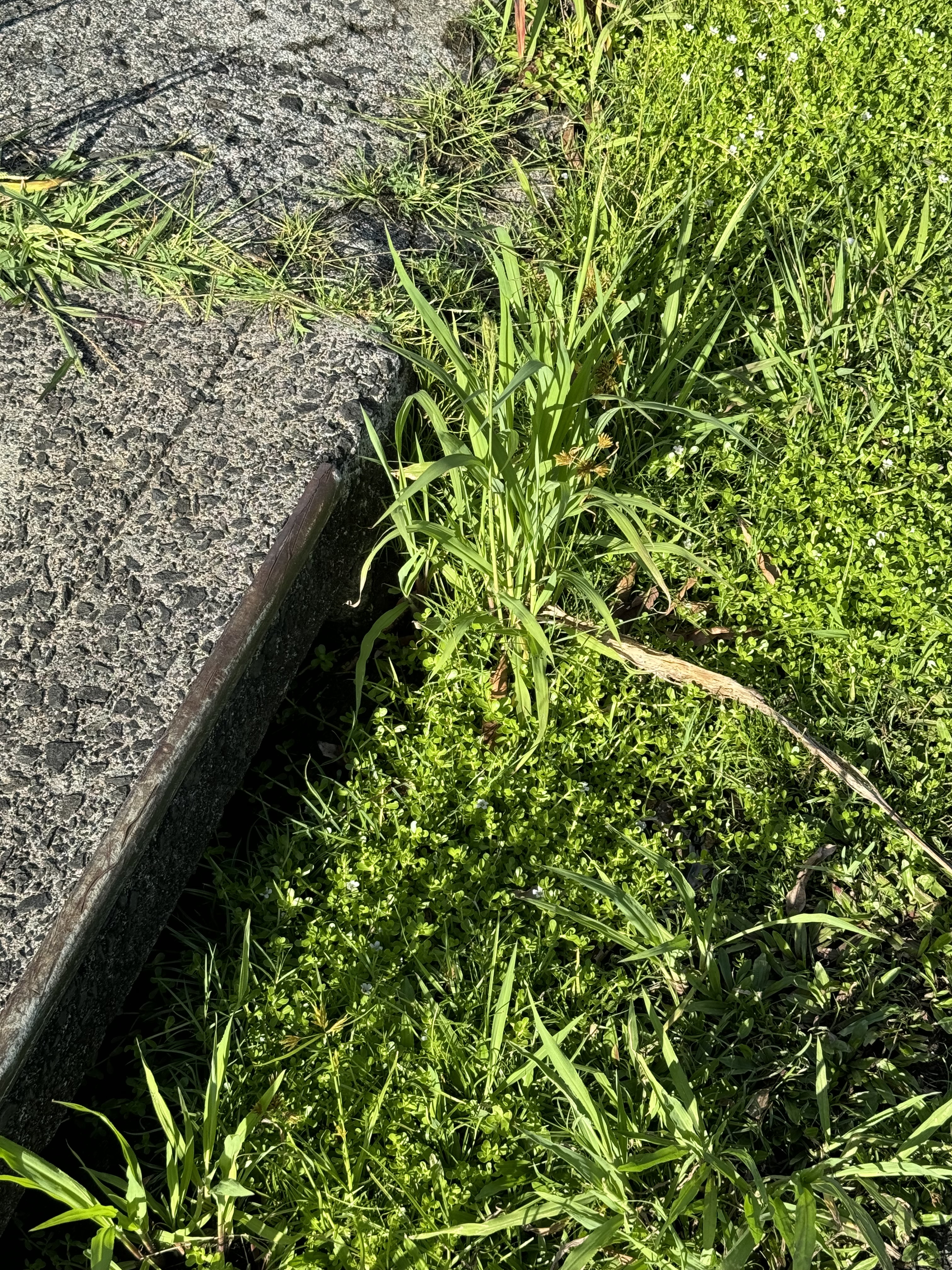
Areas of frequent washouts are prime habitat for weedy, ruderal species. These areas of persistent disturbance are highly susceptible to colonization by non-native species here in Hawai`i. Most stream and canals here in the state are filled with some of the toughest invasive plants to deal with. And yet surrounding this random storm drain in urban Honolulu is `Ae`ae (Bacopa monnieri). `Ae`ae is a hardy indigenous species of marshy areas. To see it taking advantage of a novel micro-habitat is quite a pleasing sight.
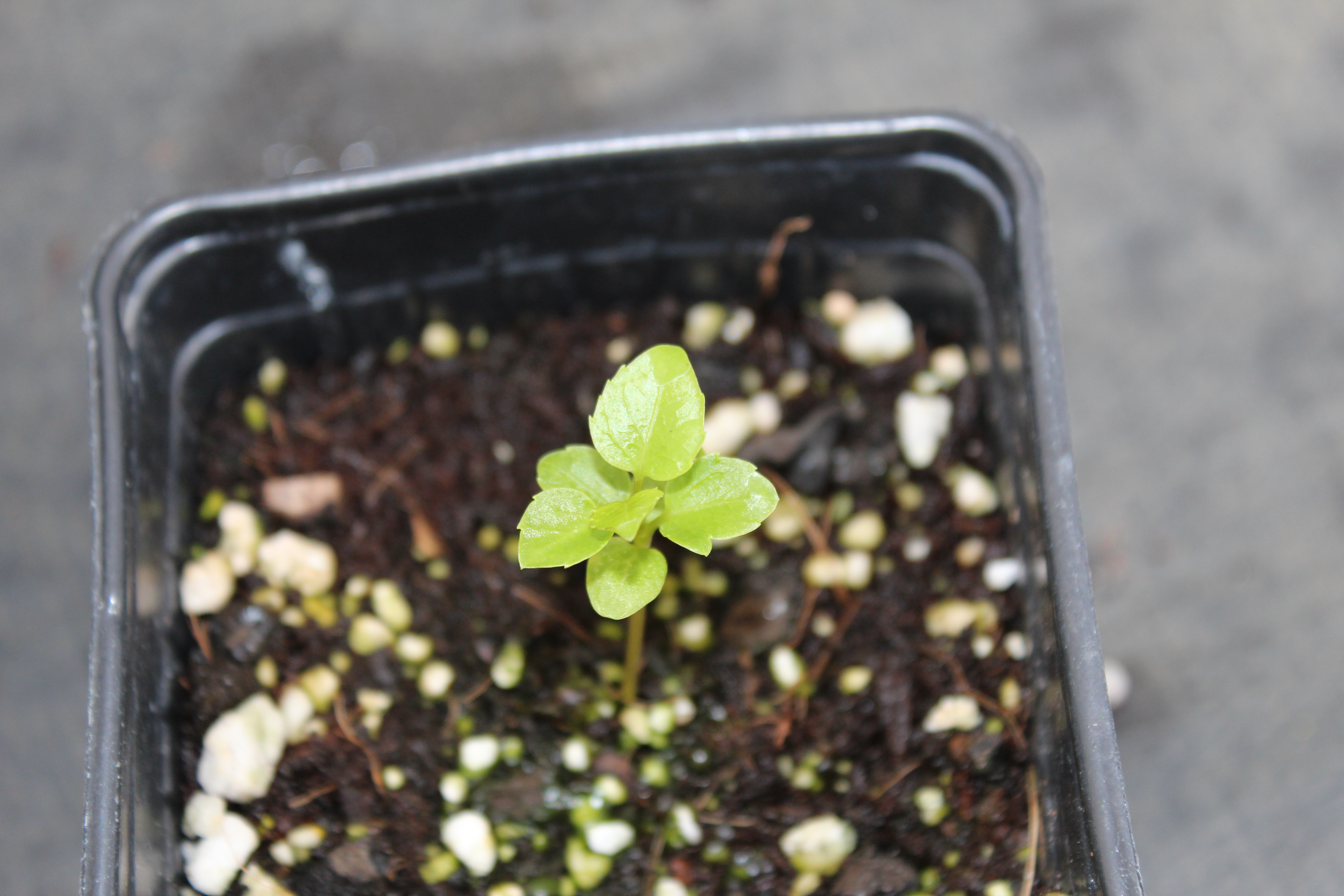
How can a tiny seedling bring me so much joy? Last week, I was clearing around the base of several large olapa trees when I came across this little guy. Almost a decade ago, I did a post on identifying native seedlings. While it was me showing the differences with different species, they were also fruits that we collected that I was propagating for outplanting at our restoration site.
Olapa seedling in 2013
This photo of an olapa seedling (Cheirodendron trigynum) was part of small batch that I was able to get going from a mature tree that we collected back in 2013. Olapa has been particularly difficult for us to grow as I had only gotten it to germinate in 2013 and 2022.
For all the difficulty we’ve had with germination, once it’s in the ground it has been the second fastest growing tree after koa. This seedling is now a 25 foot tall tree that has been blooming and fruiting for the past few years.
And viable fruit too. Coming across naturally regenerating olapa seedlings under the mature olapa trees we planted almost a decade ago is incredibly fulfilling. It’s particularly neat that through this blog I was able to document that. Knowing that the actions I took 10 years ago, have literally been this fruitful gives me confidence on the future of that native forests on Pu`u `Ohi`a. Let’s see what native plants I’ll be posting in 2034!
For as much as Hawai`i is known for rainforests and waterfalls, freshwater streams seem surprisingly depauperate compared to continental ecosystems. They like many other native Hawaiian habitats are imperilled, making this encounter with a fairly healthy stream with native fish a real treat.







 Studia Mirabilium