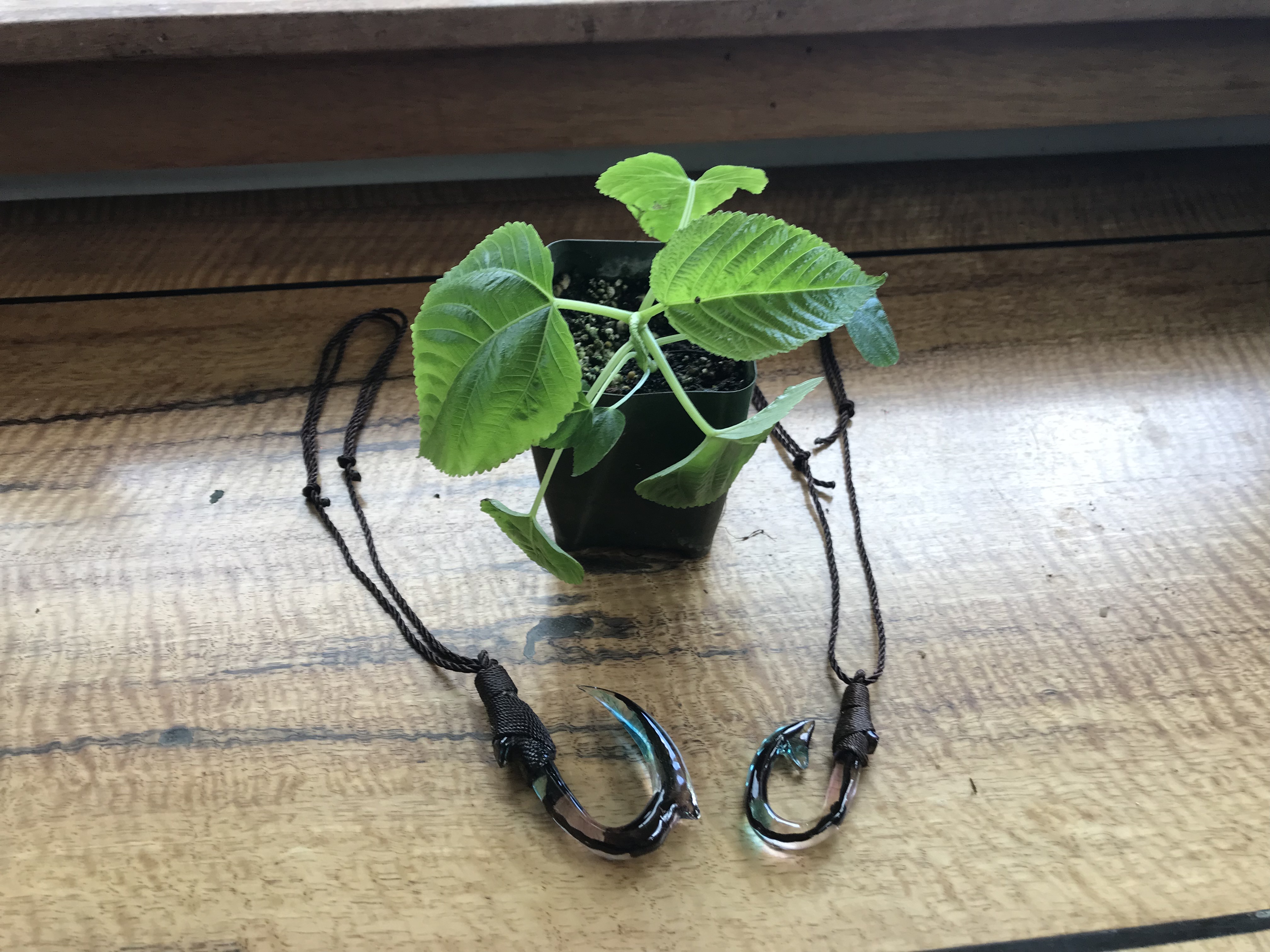
In the 13 years that I’ve run Studia Mirabilium, I may have mentioned olonā (Touchardia latifolia) in passing a few times. Well today, let’s give olonā its due. Olonā, long revered for the high quality cordage it provides, may prove to have an important multi-faceted role in the future.

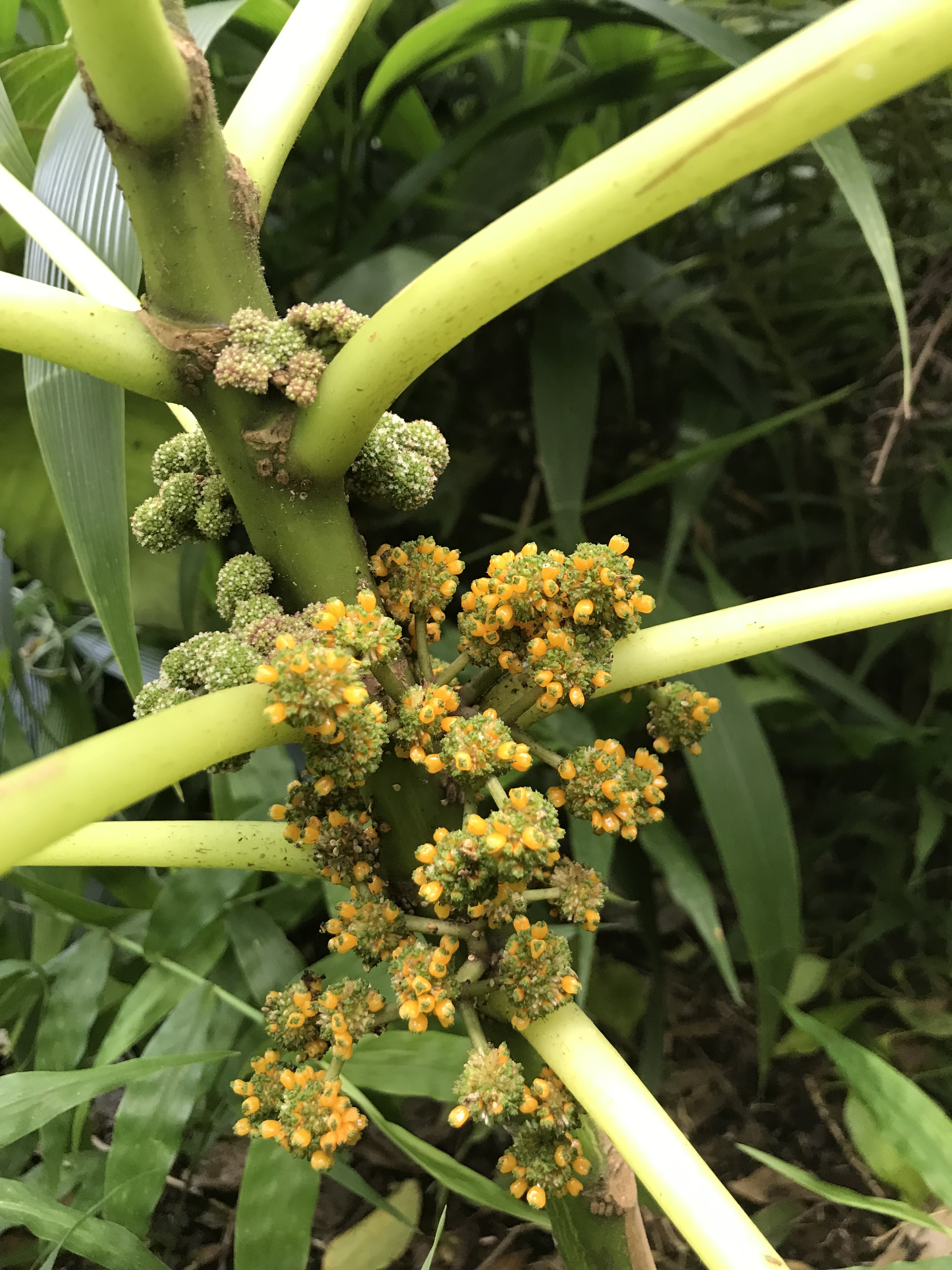
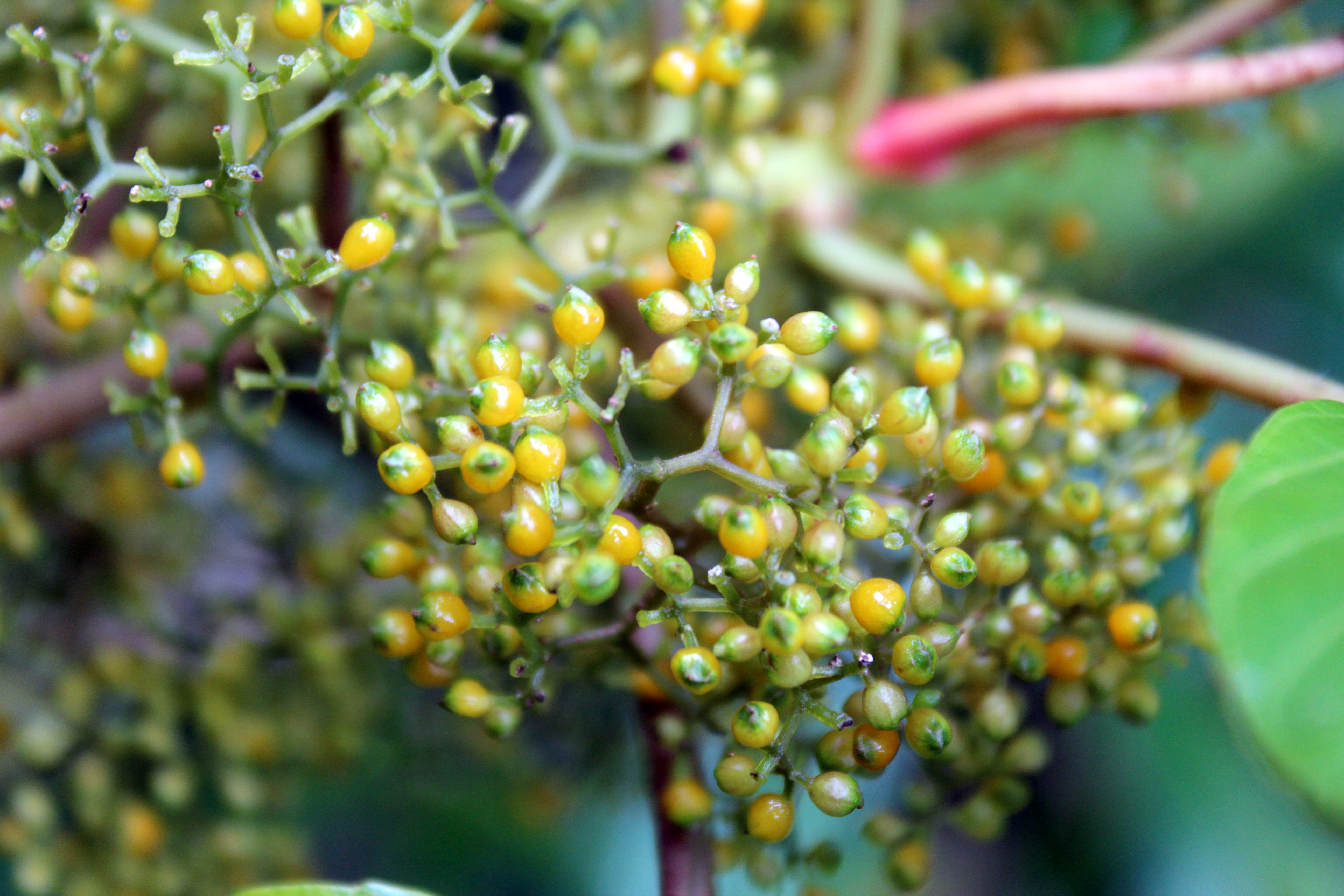
The Touchardia lineage consists of 2 species: Olonā (T. latifolia) and Ōpuhe (T. glabra). It is one of the lineages thought to be derived from a neotropical Urera ancestor. Indeed there are a number of species in tropical South America, many heavily armed with stinging hairs. The Hawaiian lineage lack these urticating hairs. Olonā is more a shrub while ōpuhe is a woody small tree. Olonā, like many wet forest plants, flowers and fruits sporadically throughout the year. When it’s reproductive, the difference between the two related species is apparent. Olonā flowers and fruits are on congested, ball-like structures. Ōpuhe is more open.
Both species are found in similar habitats: wet forests and gullies. On O`ahu, I’ve even seen olonā in exposed, albeit very wet, summit areas.

Those exposed plants were prostrate with thicker leaves, perhaps adaptations to the constant winds. In sheltered aspects, olonā can become erect with significantly larger leaves.
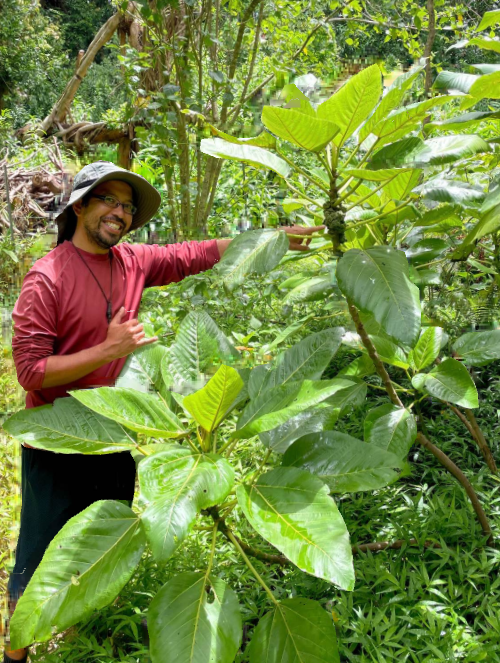

Much has already been written about the fine cordage one can make from olonā. It was the important base for the feathered cloaks, helmets and other sacred objects for ali`i. Olonā was also the favored material for fishing lines. In some ways, we can easily overlook this seemingly basic trait. With modern synthetic fibers, we can sort of just trust that the line will work as advertised. In a world where everything was handmade, choice of material was just as important as skill. Not only was olonā cordage strong and durable, but it held up exceptionally well in seawater. With so much daily activity in the sea, having such a useful plant be readily available was important. Olonā was extensively cared for and harvested in the past, with significant areas in its natural habitat dedicated to its cultivation. It never seemed to have been grown in the lowlands and from what I’ve seen rarely does well there.
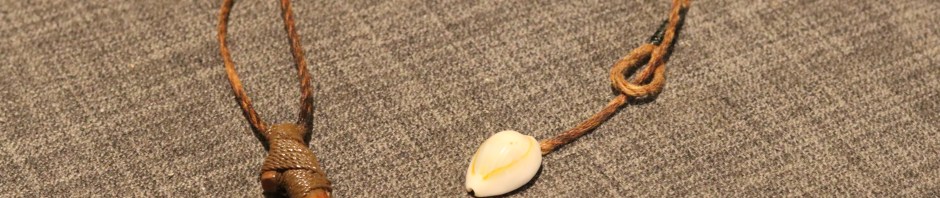
I am blessed that a dear friend of mine has allowed me first hand experience with traditional olonā cordage. As you can see, the care, respect and skill with the base cordage is evident. I have had the chance to process the fibers and I don’t have that skill. I still have difficulty separating the fibers cleanly. Perhaps one day.
As well known as olonā is for its cordage material, what may be underappreciated is its use in snail conservation. Our tree dwelling Achatinella snails as well as our ground dwelling Amastra snails love decaying olonā leaves. With many native snail species extinct in the wild and populations in steep decline, having easy access to a food source is critical for their ex situ conservation.
For me, as someone doing active native reforestation work, olonā is a major component of riparian understories and its presence is important for healthy forests. From my point of view, other uses are a happy, secondary benefit. I’m just pleased to see the plants growing. While we have a healthy population that produces viable fruit, we very rarely see natural regeneration. My role as I see it right now is to keep the populations healthy by collecting seeds and growing the plants in situ.
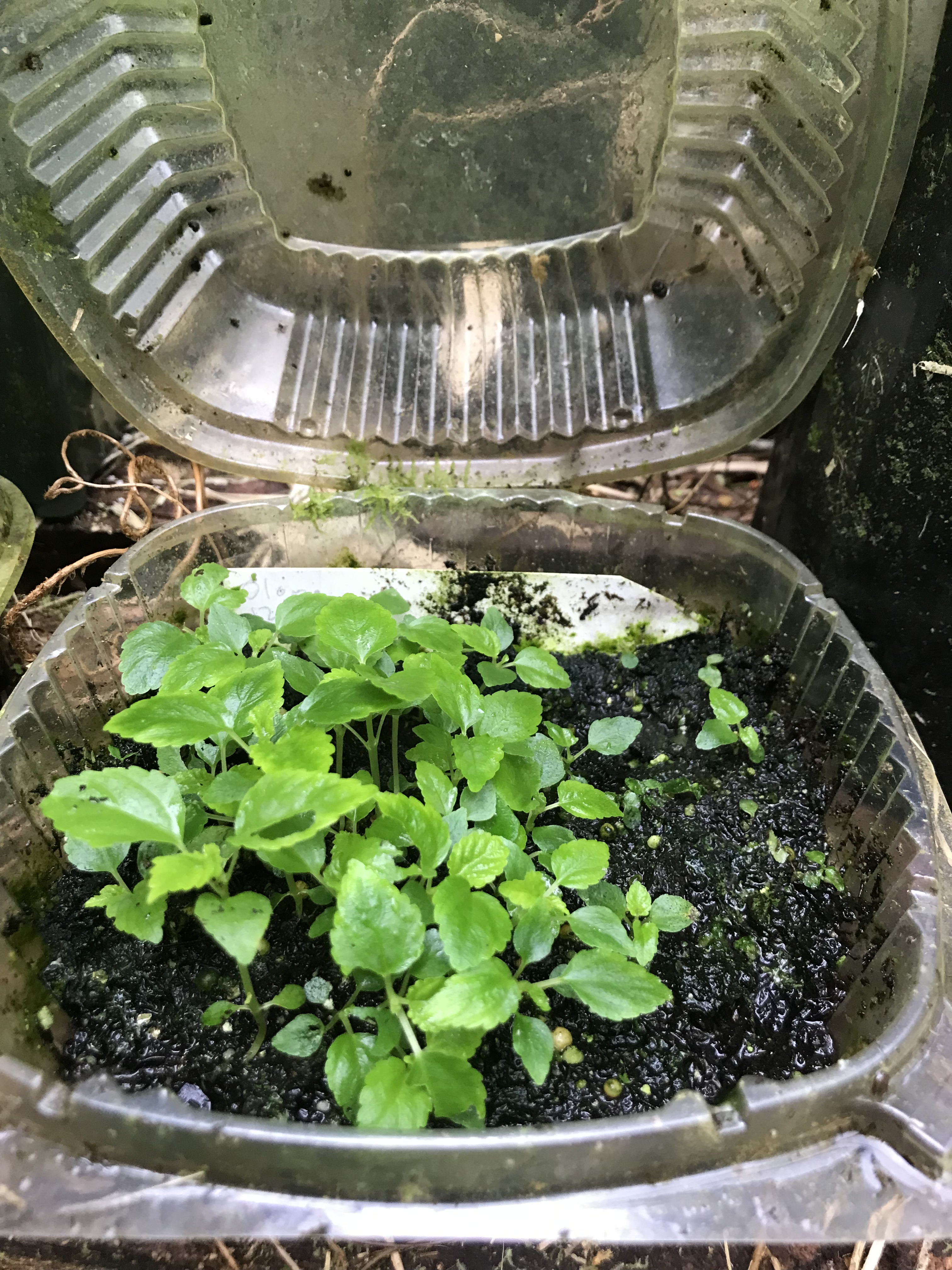

As you can see they readily germinate in old take out containers. Why olonā grows so readily in such a simplistic set up yet not germinate from seeds scattered in appropriate habitat is what we are trying to solve. Perhaps invasive gastropod herbivory is too much. We are still trying to sort it out. In the meantime, I will continue to do my part to keep these populations going.
I’ve been wanting to talk about olonā for a long time now on the blog. I feel very lucky that seeing live, healthy olonā is the norm for me; olonā is part of my regular routine. It goes back to my thoughts on kuleana, I also feel the responsibility to make sure that it stays that way. That olonā, so intertwined in my life, expands for all to share with. That goes for snails as well as people.

 Studia Mirabilium
Mahalo for keeping olona alive and educating others
You’re welcome. We’re glad we still have the ability to
I recently found a missive patch down a canyon on Oahu . Thanks for the tips . I’ll try and propagate it. I’d love to try and plant it in the appropriate areas .
Glad you have interest, we just need to make sure we are doing it properly. I’m of the mindset that we limit the pressure we are putting on wild populations but also feel that we can reverse them. Certainly outplanting in reserves will take a level of commitment and permitting that is different than growing in cultivation. How we move forward to get responsible folks access to this resource that they deserve while simultaneously halting the species decline will be important, especially in these early critical stages. It will be a challenge, but if we are thoughtful, responsible, and caring I believe we are up to the task.